
Key Points
Asian stocks fell 0.7% on April 23, 2026, due to rising Iran-related geopolitical tensions
Nikkei and KOSPI retreated after hitting recent record highs, driven by profit-taking
Oil prices near $100 per barrel increased inflation and market uncertainty
Investor sentiment shifted from risk-on to risk-off, boosting volatility across Asian markets.
Asia stocks market fell about 0.7% on April 23, 2026, as rising tensions around Iran unsettled investors. Japan’s Nikkei 225, which had just touched a record high above 60,000 earlier this week, slipped as traders locked in profits. South Korea’s KOSPI also pulled back after hitting fresh peaks, showing how fragile market momentum has become.
At the same time, oil prices moved closer to the $100 mark, raising concerns about inflation and global growth. These shifts highlight a clear trend: geopolitics is now driving markets as much as earnings and data. For investors, this creates both risk and opportunity, and the next moves could depend on headlines, not fundamentals.
Why Asia Stocks Slipped Despite Strong Global Cues?
Asian markets fell on April 23, 2026, even though global sentiment was relatively stable. The main pressure came from rising geopolitical risk linked to Iran and the Middle East. Investors reacted quickly to uncertainty in oil supply routes and possible disruptions in trade flows.
Why did global gains fail to support Asia?
US markets had recently shown strength, but Asia did not follow the same path. The reason is simple. Regional markets are more sensitive to energy costs and geopolitical risk.
Key reasons behind the decline:
- Rising tension between Iran and Western powers
- Fear of disruption in the Strait of Hormuz
- Profit-taking after strong multi-week rallies
- Higher oil prices raise inflation concerns
According to market updates from Reuters, Asian equities reversed early gains as risk sentiment weakened across sectors.
How much did markets fall?
- Asia-wide index drop: around 0.7%
- Nikkei 225: slipped after crossing 60,000 for the first time
- KOSPI: retreated after hitting record highs earlier in the week
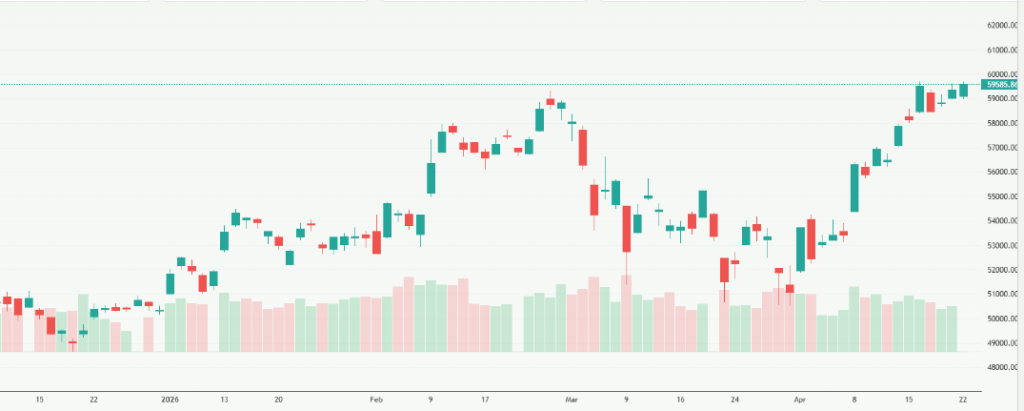
Investors shifted from risk-taking to caution within hours.
Nikkei and KOSPI: From Record Highs to Retreat
Japan and South Korea were the most active markets in this session. Both had recently hit strong milestones before reversing direction.
What caused the Nikkei reversal?
The Nikkei 225 had surged to a historic level above 60,000 earlier in April 2026, driven by tech and AI-related stocks. However, the rally cooled quickly.
Reasons for decline:
- Heavy profit booking after record highs
- Weakness in semiconductor stocks
- Broad selling across nearly 75% of listed shares
Japan Exchange data shows that sentiment turned cautious after rapid gains in technology names.
Why did KOSPI fall after hitting record levels?
South Korea’s KOSPI index also pulled back after strong momentum. Key triggers:
- Foreign investor outflows
- Currency pressure on the Korean won
- Concerns over global demand for chips
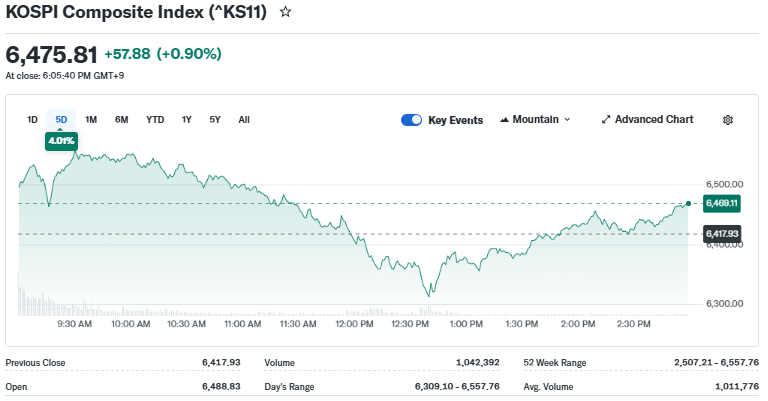
Despite the drop, analysts still view the semiconductor cycle as a long-term support factor.
Oil Prices and Strait of Hormuz – The Real Market Driver
Oil remains the most important factor behind current market weakness. Prices moved closer to the $100 per barrel zone, raising concerns for global inflation.
Why is the Strait of Hormuz so important?
The Strait of Hormuz is one of the world’s most critical energy routes.
- Around 20% of the global oil supply passes through it
- Any disruption can impact global prices within hours
- Asia is highly dependent on imported oil
How do rising oil prices affect Asia?
Higher oil prices directly impact:
- Transportation costs
- Manufacturing expenses
- Inflation levels
Countries like Japan, South Korea, and India are especially vulnerable because they import most of their energy needs.
Sector-Wise Impact – Winners and Losers
Market movement was uneven across sectors. Some industries gained, while others faced pressure.
Which sectors lost value?
Technology stocks were the most affected. After weeks of strong gains, investors started locking in profits.
- Semiconductor stocks weakened
- AI-linked companies saw a short-term correction
- Growth stocks underperformed value stocks
Which sectors gained?
Energy stocks benefited from higher crude oil prices. Defense-related industries also saw increased interest due to geopolitical uncertainty. This shift shows a clear rotation from growth to defensive sectors.
Investor Sentiment – From Risk-On to Risk-Off
Market sentiment changed quickly within the trading session. Early optimism faded as geopolitical news intensified.
What does risk-off behavior mean now?
Investors are now:
- Moving toward safer assets like bonds and gold
- Reducing exposure to high-growth tech stocks
- Reacting faster to global headlines
Financial analysts from Goldman Sachs note that short-term volatility is likely to continue if geopolitical risks remain elevated.
What is driving caution in markets?
- Uncertainty in Iran negotiations
- Oil supply risk concerns
- Global inflation pressure
Emerging Markets vs Developed Asia – A Diverging Trend
Emerging markets have shown relative strength compared to developed Asian economies.
Why are emerging markets holding better?
- Lower exposure to oil price shocks in some regions
- Strong domestic demand in select economies
- Foreign inflows into high-growth sectors
MarketWatch data shows emerging markets gaining over 13% year-to-date in 2026, despite global uncertainty.
Are Asia stocks losing investor interest?
Not fully. Asia remains a key hub for technology and manufacturing. However, short-term volatility is shifting capital flows toward diversification.
Key Trends to Watch in the Coming Weeks
Will Iran tensions impact markets further?
Yes. Any escalation or de-escalation will directly affect oil prices and global risk sentiment.
What should investors watch next?
- Oil price movement near the $100 threshold
- Central bank inflation responses
- Semiconductor earnings in Japan and Korea
- US-Middle East diplomatic updates
AI-based stock analysis tools, including platforms like Meyka, are increasingly being used by traders to track sentiment shifts, technical signals, and sector rotation patterns in real time. These tools help investors understand volatility before it fully reflects in price movements.
Final Words
Asia stocks slipped on April 23, 2026, as geopolitical risks from Iran outweighed strong economic momentum. Nikkei and KOSPI retreated after record highs, while oil prices added fresh inflation concerns. The near-term outlook depends heavily on global tensions and energy trends. Until clarity emerges, volatility is likely to remain the dominant force shaping Asian equities.
Disclaimer:
The content shared by Meyka AI PTY LTD is solely for research and informational purposes. Meyka is not a financial advisory service, and the information provided should not be considered investment or trading advice.
What brings you to Meyka?
Pick what interests you most and we will get you started.
I'm here to read news
Find more articles like this one
I'm here to research stocks
Ask Meyka Analyst about any stock
I'm here to track my Portfolio
Get daily updates and alerts (coming March 2026)