Stock Futures Retreat: Dow, S&P 500, Nasdaq Slip Amid Escalating US-Iran Tensions in Strait of Hormuz

Key Points
US stock futures fell as the Dow, S&P 500, and Nasdaq reacted to rising US-Iran tensions.
Oil prices surged above $100 amid fears of disruptions in the Strait of Hormuz.
Investors moved toward safe-haven assets as market volatility increased.
Energy stocks gained while tech and airline sectors came under pressure.
US stock futures turned lower on May 8, 2026, as fresh US-Iran tensions raised fears of a wider conflict in the Strait of Hormuz. Dow, S&P 500, and Nasdaq futures all slipped after oil prices jumped sharply overnight.
The Strait handles nearly one-fifth of the world’s oil supply, so any disruption quickly shakes global markets. Investors are now watching energy prices, inflation risks, and possible military escalation, making this one of the biggest market stories of the week.
Why Dow, S&P 500, and Nasdaq Futures are Falling Today?
US stock futures moved lower on May 8, 2026, after fresh fighting between the US and Iran increased fears of another major disruption in the Strait of Hormuz. Investors quickly shifted to safer assets as oil prices jumped and market volatility returned.
According to Reuters, Dow futures dropped more than 300 points in early trading. S&P 500 and Nasdaq futures also slipped as traders worried about rising inflation and slowing global growth.
Renewed Military Activity in the Strait of Hormuz
The latest market selloff followed reports of missile and drone attacks involving US and Iranian forces near the Gulf shipping route. Reuters reported that three US Navy destroyers were targeted while crossing the Strait of Hormuz on May 7.
The Strait of Hormuz remains one of the world’s most sensitive trade corridors. Nearly 20% of the global oil supply moves through this narrow route every day. Any military escalation there can quickly impact energy markets, shipping costs, and investor confidence.
Recent developments include:
- Iran is accusing the US of attacking civilian areas and oil tankers
- US forces responding with retaliatory strikes
- Ongoing uncertainty around the fragile ceasefire announced in April 2026
- Rising fears that commercial shipping could face more restrictions
Analysts say markets are reacting not only to military risks but also to uncertainty about how long tensions could continue.
Oil Prices Spike as Supply Risks Return
Oil prices surged again after the latest clashes. Reuters reported that Brent crude climbed above $101 per barrel, while US West Texas Intermediate crude rose near $96.
The jump in oil prices matters because energy costs affect almost every part of the economy. Higher fuel prices can increase transportation expenses, push inflation higher, and reduce consumer spending power.
Here is how oil markets reacted during recent Hormuz developments:
- April 2, 2026: US crude jumped over 11% after President Trump warned of more attacks on Iran.
- April 8, 2026: Oil prices crashed after a temporary ceasefire announcement.
- May 5, 2026: Prices fell briefly as two ships safely crossed Hormuz during ceasefire talks.
- May 8, 2026: Crude prices surged again after renewed hostilities.
Investors now fear that prolonged disruptions could keep oil above $100 for an extended period.
Why are Investors Moving Toward Safe-Haven Assets?
As tensions increased, investors started moving money into safer investments such as gold, US Treasury bonds, and the US dollar.
Reuters noted that the dollar strengthened slightly on May 8 as traders reduced exposure to risky assets.
This type of “risk-off” trading usually happens during geopolitical crises. Investors often avoid growth-heavy sectors like technology and move toward stable assets that may hold value during uncertainty.
Gold prices also remained strong due to concerns about inflation and global instability. Market analysts believe energy-driven inflation could complicate future Federal Reserve interest rate decisions.
What Is the Strait of Hormuz and Why Does It Matter?
The Strait of Hormuz sits between Iran and Oman. It connects the Persian Gulf to global shipping routes and plays a critical role in energy trade.
According to Reuters and global shipping data:
- Around 20 million barrels of oil pass through the Strait daily
- Nearly 25% of global LNG shipments also depend on the route
- Major exporters include Saudi Arabia, Iraq, UAE, Kuwait, and Qatar
Because of this importance, even small disruptions can shake financial markets worldwide.
Insurance costs for oil tankers have already increased in recent weeks. Shipping companies also face longer delivery times and higher security expenses.
How Wall Street Sectors are Reacting?
Different sectors are responding differently to the latest US-Iran tensions.
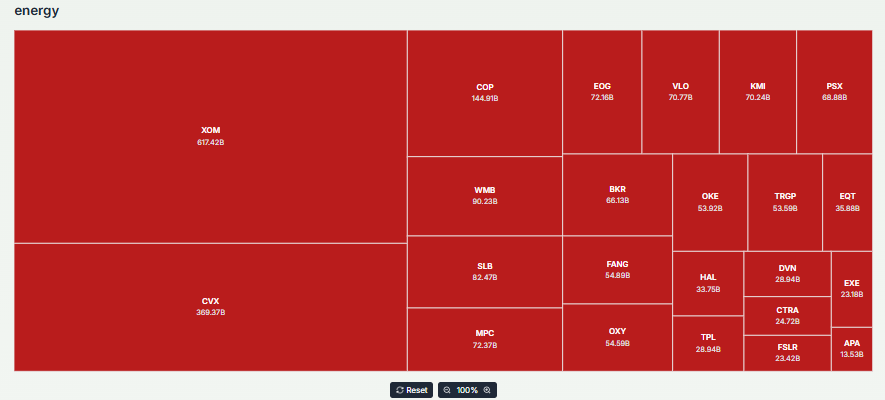
Energy Stocks are Holding Strong
Oil producers and energy companies gained support from rising crude prices. Investors expect stronger revenues if oil remains elevated.
Tech Stocks Face Pressure
Nasdaq futures weakened as traders reduced exposure to high-growth stocks. Rising oil prices could increase inflation risks and delay possible interest-rate cuts.
Many investors remain optimistic about AI-related stocks, but geopolitical uncertainty is creating short-term pressure across the sector.
Some traders are now using AI stock analysis tool platforms to track market sentiment, volatility patterns, and sector rotation during fast-moving geopolitical events.
Airlines and Transport Stocks Decline
Airline shares and transport companies came under pressure because higher fuel prices can hurt profit margins. Shipping companies also face concerns about higher insurance and rerouting costs linked to Gulf tensions.
Recent Market Performance Before the Latest Iran Shock
Before this latest escalation, US markets had been trading near record highs. Strong corporate earnings and continued AI investment had pushed the S&P 500 and Nasdaq higher earlier this week. Reuters reported that investors were becoming more hopeful about a longer ceasefire agreement between Washington and Tehran.
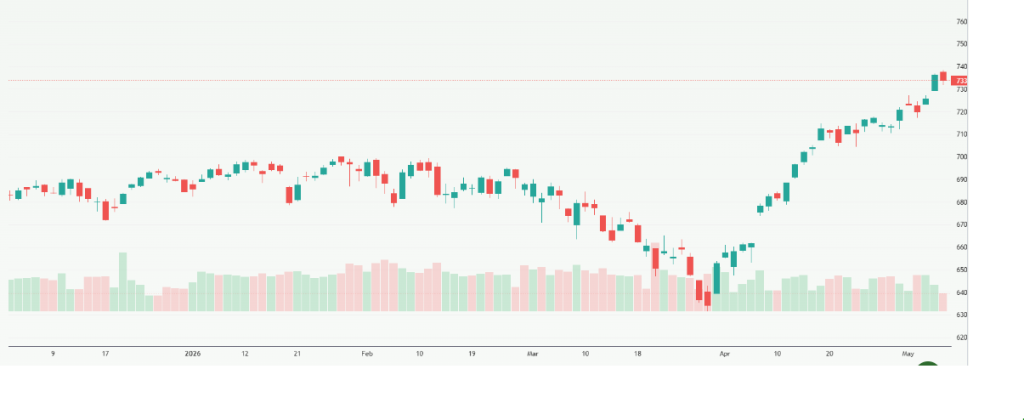
However, the renewed fighting quickly changed market sentiment overnight. Analysts say markets remain extremely sensitive to every new update from the Gulf region.
What Meyka Says About the Current Market Trend?
According to Meyka market tracking insights, volatility remains elevated across major US indices as geopolitical risks continue driving energy prices higher.
Meyka’s latest technical outlook suggests:
- Dow futures show short-term bearish momentum
- Nasdaq remains technically stronger due to continued AI sector demand
- S&P 500 support levels are being tested amid rising oil prices
- Volatility indicators remain above average levels
The platform also notes that markets could stabilize if diplomatic talks improve and oil prices retreat below recent highs.
Other analysts share similar views. Reuters reports that investors still believe strong AI spending and healthy earnings may limit deeper market losses despite geopolitical risks.
What Investors are Watching Next?
Markets now face several important catalysts in the coming days.
Key events include:
- US nonfarm payrolls report
- Federal Reserve policy signals
- New developments in US-Iran negotiations
- Oil price movements above or below $100
- Corporate earnings guidance
Traders expect sharp market swings until there is more clarity around the Strait of Hormuz situation.
Final Words
US stock futures remain under pressure as renewed US-Iran tensions in the Strait of Hormuz drive oil prices higher and fuel market uncertainty. Investors are reacting to rising geopolitical risk, inflation fears, and possible supply disruptions. While energy stocks show resilience, tech and growth sectors are weakening. Overall, markets are likely to stay volatile in the short term as traders closely watch oil trends and diplomatic developments.
Disclaimer:
The content shared by Meyka AI PTY LTD is solely for research and informational purposes. Meyka is not a financial advisory service, and the information provided should not be considered investment or trading advice.
What brings you to Meyka?
Pick what interests you most and we will get you started.
I'm here to read news
Find more articles like this one
I'm here to research stocks
Ask Meyka Analyst about any stock
I'm here to track my Portfolio
Get daily updates and alerts (coming March 2026)