



Shell posts $6.92B underlying earnings (£5.09B), beating $6.36B estimate, faces criticism over ‘outrageous’ profits

Key Points
Shell Q1 2026 earnings hit $6.92B, beating expectations of $6.36B on May 7, 2026.
Strong profits driven by trading gains, refining margins, and oil price volatility.
Market saw mixed reaction with slight stock pressure and reduced buybacks despite higher dividend.
Ongoing debate over “outrageous profits” amid high global energy prices and inflation.
Shell reported $6.92 billion in underlying earnings for Q1 2026 on May 7, 2026, beating analyst expectations of $6.36 billion. The results came as global oil markets stayed volatile due to geopolitical tensions and shifting supply trends. Strong trading and refining performance drove the profit surge.
However, the earnings also sparked fresh criticism over rising ‘outrageous profits’ in the energy sector, raising questions about fairness during high consumer energy costs.
Shell Q1 2026 Earnings Snapshot
Shell reported $6.92 billion in underlying earnings for Q1 2026 on May 7, 2026, according to its latest quarterly update. This beat analyst expectations of $6.36 billion, driven mainly by strong trading and refining margins.
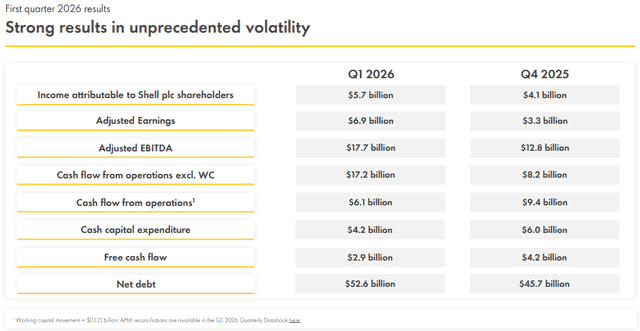
The results reflect a volatile global energy environment. Oil prices stayed elevated due to ongoing geopolitical tensions in the Middle East and uneven supply recovery across major producers.
Key highlights from the report:
- Earnings: $6.92B vs $6.36B expected
- Strong contribution from trading and refining
- Weaker upstream output due to regional disruptions
- Slight pressure on cash flow from working capital changes
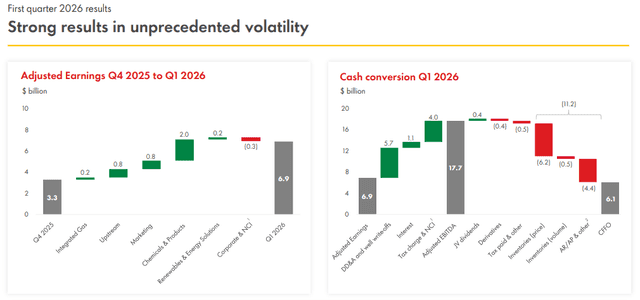
What Drove Shell’s Profit Beat in Q1 2026?
Why did Shell earnings rise above expectations?
Shell’s earnings strength came from a mix of pricing, trading, and downstream performance. The main drivers were:
- Higher crude oil price volatility
- Strong refining margins in Europe and Asia
- Increased trading gains from global price differences
- Stable fuel demand despite economic uncertainty
Trading remains a key profit engine for Shell. It allows the company to benefit not only from production but also from price movements across global markets.
Did production affect earnings?
Yes, partially. Oil and gas output saw mild disruption due to maintenance cycles and regional instability in parts of the Middle East. However, downstream gains more than offset this decline.
This balance is one reason Shell continues to show resilience even when production slows.
Why are Shell’s “Outrageous Profits” Facing Criticism?
Are oil profits too high during global energy stress?
This is the main public debate. Critics argue that Shell’s strong earnings come at a time when:
- Energy prices remain high for households
- Inflation is still affecting fuel costs
- Governments are under pressure to manage cost-of-living concerns
Activist groups in Europe and the UK have renewed calls for stricter windfall profit taxes on oil companies. However, Shell defends its results by saying profits are needed to:
- Fund long-term energy transition projects
- Maintain global energy supply stability
- Support shareholder returns and dividends
How Did Investors React to Shell’s Results?
Market reaction was mixed on May 7, 2026. While earnings beat expectations, investors focused on capital return updates.
Key reactions:
- Slight pressure on share price after announcement
- Dividend increased by around 5%
- Share buybacks reduced compared to previous quarter
- Analysts remained cautiously positive
Investors are watching whether Shell will prioritize growth investment or shareholder payouts in the next quarters.
Shell Stock Analysis – Technical & Market View
What does technical analysis suggest for Shell stock?
Shell’s stock remains in a medium-term consolidation phase. Price action shows:
- Support forming near recent monthly lows
- Resistance near prior highs after earnings rally
- Moderate volatility due to oil price swings
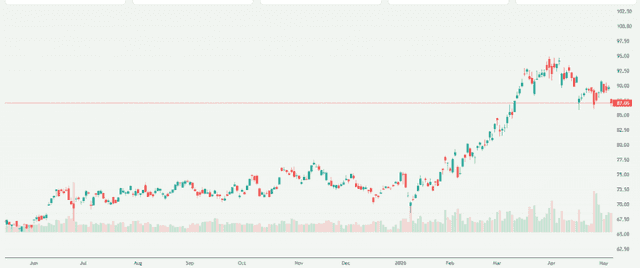
Momentum indicators suggest a balanced trend, not strongly bullish or bearish.
What does Meyka say about Shell stock?
According to Meyka.com, Shell is categorized under stable large-cap energy stocks with sensitivity to crude oil price movement. The platform highlights:
- Dependence on global oil price cycles
- Strong dividend consistency
- Moderate volatility compared to pure upstream peers
Investors typically use its technical dashboard for trend tracking rather than long-term forecasts.
AI stock analysis tool insight
An AI stock analysis model reviewing recent energy sector data suggests Shell’s near-term performance will depend on:
- Brent crude stability
- Refining margin trends in Europe
- Geopolitical risk in oil supply regions
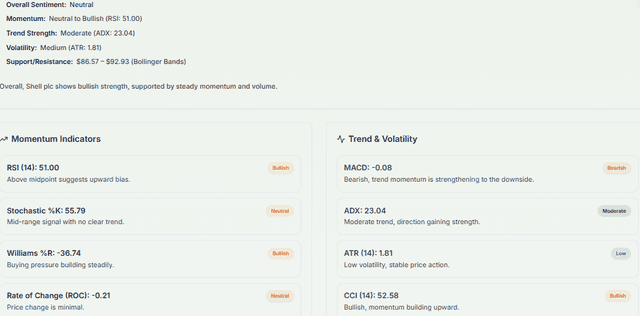
The model signals neutral-to-positive bias, but warns of short-term volatility if oil prices correct sharply.
What Analysts From Other Sources are Saying?
Wall Street and energy analysts remain divided. Key views include:
- Bullish case: Strong trading profits and dividend stability support long-term value
- Bearish case: Earnings heavily depend on volatile oil prices
- Neutral case: Stock likely to trade sideways until macro clarity improves
What’s Next for Shell in 2026?
Shell’s outlook depends on global energy stability. Key factors to watch:
- Oil price direction in Q2 and Q3 2026
- Geopolitical tensions in supply regions
- Refining margin normalization
- Capital return strategy changes
Investors will closely monitor whether Shell maintains strong cash returns or shifts more toward energy transition investments.
Final Words
Shell’s Q1 2026 earnings show strong financial performance, driven by trading strength and high energy prices. But the results also deepen the debate over oil industry profits during global cost pressures. While investors see stability and dividends, critics continue to question fairness in a high-price energy environment. The coming quarters will decide whether Shell’s earnings strength continues or normalizes with global oil markets.
Disclaimer:
The content shared by Meyka AI PTY LTD is solely for research and informational purposes. Meyka is not a financial advisory service, and the information provided should not be considered investment or trading advice.
What brings you to Meyka?
Pick what interests you most and we will get you started.
I'm here to read news
Find more articles like this one
I'm here to research stocks
Ask Meyka Analyst about any stock
I'm here to track my Portfolio
Get daily updates and alerts (coming March 2026)