



Oil Prices Slide as Positive US-Iran Talks Ease Strait of Hormuz Concerns, Global Stocks Extend Gains

Key Points
Oil prices fell as US-Iran talks eased supply fears.
Brent crude dropped below $80 per barrel.
Global stocks extended gains on lower energy concerns.
Investors are watching negotiations and OPEC+ decisions.
Oil prices moved lower on June 22, 2026, after positive signals from US-Iran talks eased worries about disruptions in the Strait of Hormuz, one of the world’s most important oil routes. The drop in crude prices also helped global stock markets extend their gains.
Investors welcomed the reduced geopolitical tension, but uncertainty remains. With energy prices, inflation, and market sentiment closely linked, traders are now watching whether diplomatic progress can bring longer-term stability to global markets.
Oil Prices Slide as Strait of Hormuz Risks Ease
Brent and WTI Crude Extend Losses
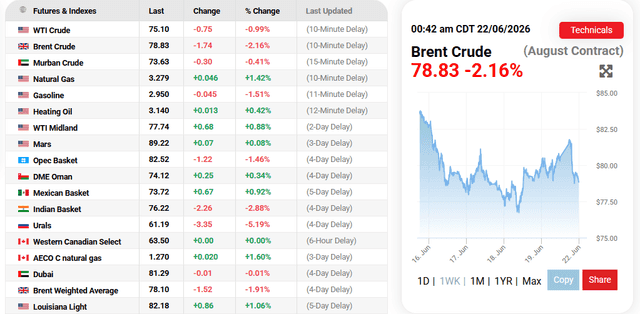
Oil prices moved lower on June 22, 2026, after positive US-Iran talks reduced fears of prolonged disruptions in the Strait of Hormuz. Brent crude fell around 1.5% to $79.38 per barrel, while West Texas Intermediate traded near $76.80. Both benchmarks reached their lowest levels since early March.
Traders removed part of the geopolitical risk premium that had pushed prices above $90 earlier this month. Reuters reported that crude had already declined about 8% last week as diplomacy improved.
Why the Strait of Hormuz Matters?
The Strait of Hormuz handles nearly 20% of global oil shipments. Any disruption affects supply chains and raises fuel prices worldwide. Earlier tensions caused fears of shortages and higher inflation. Fresh talks in Switzerland helped calm those concerns. Markets now expect shipping activity to normalize gradually, though risks remain.
Latest Price Data and Market Reaction
Brent crude traded below $80 for the first time in months. Analysts believe additional Iranian exports could add up to 1.5 million barrels per day to global supply. Citi recently lowered its Brent forecast to $75 for the third quarter of 2026 because of improving supply expectations.
US-Iran Talks Boost Investor Confidence
Signs of Progress in Negotiations
The latest round of talks ended with both sides agreeing to a 60-day roadmap toward a broader peace agreement. Mediators from Qatar and Pakistan confirmed efforts to secure maritime routes and reduce regional tensions. These developments improved sentiment across financial markets.
Reduced Geopolitical Premium in Oil
Traders quickly adjusted expectations. Lower risks around the Gulf region reduced pressure on energy prices. Investors also started pricing in the possibility of sanctions relief and increased Iranian oil exports.
What Analysts are Watching Next?
Analysts are focused on three areas:
- Progress in sanctions discussions.
- Security conditions around the Strait of Hormuz.
- Stability in Lebanon and nearby regions.
Any setback could quickly revive volatility.
Global Stocks Extend Gains on Lower Energy Concerns
Wall Street and Asian Markets Advance
Global equities rose as lower oil prices eased inflation concerns. Technology and consumer stocks outperformed. Investors welcomed signs that lower energy costs could support economic growth.
Improved Outlook for Central Banks
Lower crude prices may help keep inflation under control. That could give major central banks more flexibility on interest rates. Bond markets also reflected stronger confidence in the economic outlook.
Currencies and Bond Markets React
The US dollar remained steady, while Treasury yields edged higher. Market participants balanced optimism over growth with expectations for future Federal Reserve policy. AI stock analysis tools are also highlighting lower energy prices as a positive signal for broader equity markets.
Energy Sector Faces New Supply Expectations
Iranian Exports Back in Focus
Iran’s oil shipments could increase if negotiations continue successfully. Additional supply may help balance the market during the second half of 2026.
Impact on OPEC+ and Producers
Major producers may need to reassess output plans. Lower prices could create challenges for oil-exporting economies that rely heavily on energy revenues.
Shipping and Logistics Outlook
Insurance costs and tanker traffic are expected to normalize gradually. However, analysts warn that a complete recovery in shipping activity could take several weeks.
Key Risks That Could Reverse the Oil Decline
Potential Threats to Markets
Several factors could push prices higher again:
- Breakdown in US-Iran negotiations.
- Renewed regional conflicts.
- Delays in restoring shipping operations.
- Stronger-than-expected demand.
- OPEC+ production changes.
What Investors Should Watch This Week?
Important Catalysts
Investors are monitoring fresh comments from US and Iranian officials, weekly US inventory data, and OPEC+ developments. Shipping activity through the Strait of Hormuz will also remain a key indicator.
Conclusion
Oil prices retreated as positive US-Iran talks eased concerns about disruptions in the Strait of Hormuz. Lower energy prices supported global stocks and improved market sentiment. Still, the situation remains fragile. Future negotiations, shipping conditions, and OPEC+ decisions will determine whether crude prices continue to fall or face another period of volatility.
Disclaimer:
The content shared by Meyka AI PTY LTD is solely for research and informational purposes. Meyka is not a financial advisory service, and the information provided should not be considered investment or trading advice.
What brings you to Meyka?
Pick what interests you most and we will get you started.
I'm here to read news
Find more articles like this one
I'm here to research stocks
Ask Meyka Analyst about any stock
I'm here to track my Portfolio
Get daily updates and alerts (coming March 2026)