




Key Points
Australian shares fell as the ASX 200 slipped amid global market caution and weak sentiment.
Oil prices eased after US-Iran talks reduced fears of supply disruption in the Middle East.
James Hardie Q4 earnings missed expectations, adding pressure on construction stocks.
Rising US bond yields and inflation concerns kept investors cautious across global markets.
Australian shares slipped on May 20, 2026, as easing oil prices and fresh US-Iran diplomatic talks weakened energy stocks across the ASX. Investors also reacted to weaker-than-expected Q4 earnings from James Hardie Industries, adding more pressure to market sentiment.
At the same time, rising US bond yields and global inflation concerns kept traders cautious. The latest market moves show how quickly global politics, oil prices, and corporate earnings can impact Australian equities and investor confidence.
Why Australian Shares Fell Today Despite Lower Oil Prices?
Australian shares traded lower on May 20, 2026, as investors reacted to easing oil prices, rising U.S. bond yields, and weak corporate earnings. The benchmark S&P/ASX 200 index slipped after global markets turned cautious following fresh developments in U.S.-Iran negotiations. Reuters reported that Brent crude prices eased after U.S. President Donald Trump delayed planned military action against Iran to allow more diplomatic talks.
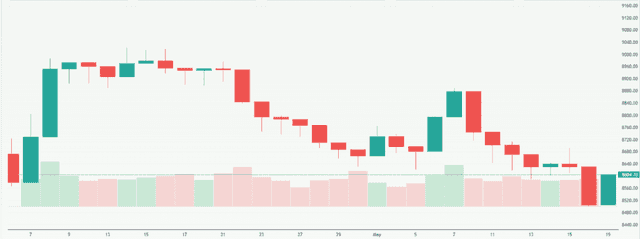
Lower oil prices reduced support for Australian energy stocks, which had rallied strongly during recent Middle East tensions. Investors also stayed worried about inflation and global interest rates. At the same time, softer earnings from major Australian companies added pressure to market sentiment. Financial and mining stocks also struggled as traders moved toward safer assets amid rising market volatility.
What Happened to Oil Prices After the US-Iran Talks?
Oil prices remained highly volatile during the week. However, prices moved lower after signs of renewed diplomacy between Washington and Tehran reduced fears of immediate supply disruptions in the Strait of Hormuz. Reuters reported that Brent crude settled near $111 per barrel, while WTI crude traded around $107 after recent spikes above $110.
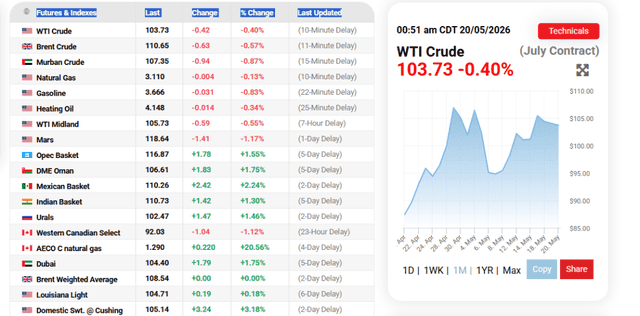
Markets reacted positively after Trump said there was a “very good chance” of reaching a nuclear agreement with Iran. Investors believe a possible deal could help stabilize global oil supply and ease inflation pressures worldwide. Still, traders remain cautious because the geopolitical situation can change quickly.
Energy stocks across the ASX lost momentum as crude prices cooled. Companies tied to oil production and exports faced selling pressure after several sessions of strong gains linked to Middle East conflict fears.
Why Does the Strait of Hormuz Matter So Much?
The Strait of Hormuz handles nearly one-fifth of the world’s oil shipments. Any disruption in this route can sharply raise energy prices and global inflation risks. Recent tensions between the U.S. and Iran pushed markets into panic mode earlier this month.
James Hardie Q4 Earnings Disappoint Investors
James Hardie Industries reported weaker fiscal fourth-quarter adjusted earnings despite posting higher net sales. Investors viewed the earnings report negatively because rising costs and slower housing demand continued to pressure profit margins.
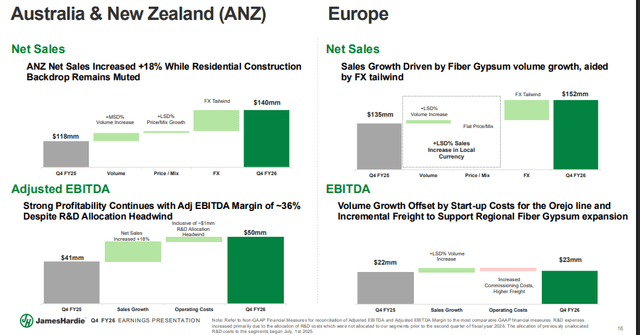
The company remains one of the key players in Australia’s construction materials sector. Because of its strong market position, weaker earnings from James Hardie often affect broader investor confidence across industrial and housing-related stocks.
Analysts also pointed to ongoing uncertainty in the global housing market. High borrowing costs and slower construction activity continue to impact demand in several regions, including the United States and Australia.
Many institutional investors now use AI stock analysis tools to track earnings quality, margin trends, and sector risks in real time. These systems help traders quickly identify shifts in corporate performance during volatile earnings seasons.
What Meyka Says About James Hardie Stock?
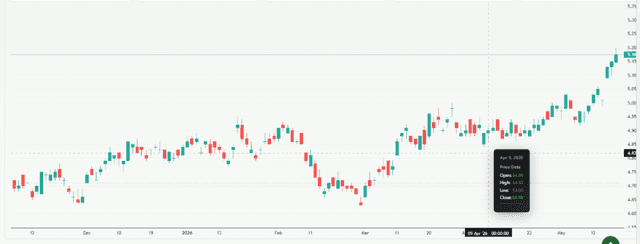
According to Meyka, James Hardie stock remains under pressure in the short term due to cautious investor sentiment and weaker earnings momentum. Technical indicators currently suggest mixed momentum with resistance near recent highs.
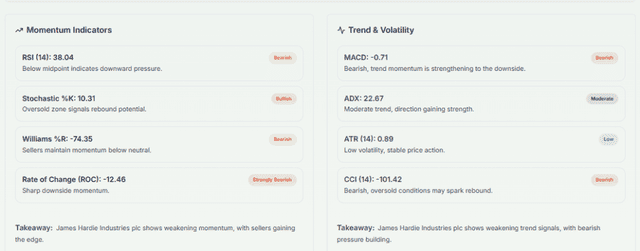
Technical Analysis Summary
- Short-term trend: Neutral to bearish
- Key support zone: Near recent ASX lows
- Resistance level: Previous monthly trading range highs
- Momentum indicators: Weak after earnings release
Several market analysts believe long-term housing demand could still support the company once interest rates stabilize.
Rising Bond Yields Add More Pressure to Global Stocks
Another major reason behind the market decline was the sharp rise in U.S. Treasury yields. Reuters reported that the 30-year U.S. Treasury yield climbed above 5.1%, its highest level since 2007.
Higher bond yields often reduce investor appetite for equities because borrowing becomes more expensive for businesses and consumers. Growth stocks and construction-linked companies usually face stronger pressure during these periods.
Investors also worry that higher oil prices could keep inflation elevated for longer. That may force central banks to delay interest-rate cuts. Markets are now closely watching future comments from the Federal Reserve and Reserve Bank of Australia for signals about monetary policy direction.
Australian financial stocks also weakened because higher rates can increase funding risks and reduce lending activity during uncertain economic conditions.
Which ASX Sectors are Investors Watching Closely?
Investors continue monitoring three major sectors in the Australian market:
- Energy stocks linked to oil price movements
- Mining companies affected by commodity demand from China
- Financial firms are exposed to interest-rate risks
Mining giants have already faced pressure in recent sessions as global growth concerns weighed on commodity prices. Several ASX-listed companies also issued weaker earnings guidance this month, increasing concerns about slowing corporate profits.
At the same time, traders remain highly sensitive to geopolitical headlines involving Iran and the Strait of Hormuz. Any progress in peace negotiations could support equities and reduce oil-market volatility. However, renewed conflict may quickly reverse investor sentiment again.
Analysts expect short-term market swings to continue until inflation and geopolitical risks become clearer.
Final Words
Australian shares stay under pressure as easing oil, rising US bond yields, and US-Iran tensions weigh on sentiment. Weak James Hardie Q4 earnings add further caution. While lower oil prices may ease inflation fears, geopolitical risks remain high. Volatility is expected to continue as markets track oil trends, economic data, and central bank signals.
Disclaimer:
The content shared by Meyka AI PTY LTD is solely for research and informational purposes. Meyka is not a financial advisory service, and the information provided should not be considered investment or trading advice.
What brings you to Meyka?
Pick what interests you most and we will get you started.
I'm here to read news
Find more articles like this one
I'm here to research stocks
Ask Meyka Analyst about any stock
I'm here to track my Portfolio
Get daily updates and alerts (coming March 2026)