



TSMC (NYSE: TSM) Plans Chip Price Hikes of Up to 10% in 2027 to Offset Rising Manufacturing Costs

Key Points
TSMC plans to raise chip manufacturing prices by 5-10% in 2027 to offset rising production and expansion costs.
Major customers including Apple, Nvidia, AMD, and Qualcomm could face higher chip manufacturing expenses.
Strong AI chip demand is giving TSMC greater pricing power despite increasing global manufacturing costs.
Investors are watching TSM stock as higher pricing could support long-term revenue growth and profitability.
Taiwan Semiconductor Manufacturing Company (TSMC) is preparing to increase chip manufacturing prices by as much as 10% in 2027, according to reports released on July 21, 2026. The world’s largest contract chipmaker is dealing with higher production costs while continuing to expand its manufacturing network outside Taiwan.
The planned increase could affect some of the biggest names in technology that depend on TSMC for advanced semiconductor production. As manufacturing becomes more expensive, investors and customers are watching to see how these changes could affect chip prices, company earnings, and the wider semiconductor market.
Why Is TSMC Planning Chip Price Increases in 2027?
What Is Driving Higher Manufacturing Costs?
TSMC expects to raise chip manufacturing prices by 5% to 10% in 2027 as operating costs continue to climb across its global business. Reports published on July 21, 2026, indicate that the company is adjusting prices to offset those higher expenses.
Several factors are contributing to the increase:
- Rising costs for advanced semiconductor equipment
- Higher labor and electricity expenses
- More expensive raw materials
- Greater investment in advanced packaging for AI processors
The company is also spending heavily on next-generation manufacturing technologies. Those investments help TSMC meet demand for AI, cloud computing, and high-performance computing chips while staying ahead in advanced semiconductor production.
Global Expansion Is Adding to Expenses
TSMC is building and expanding manufacturing facilities in Arizona, Japan, and Germany. These projects require billions of dollars in investment, and operating costs outside Taiwan are generally higher than at its domestic fabs.
Although overseas production strengthens supply chain resilience, it also raises manufacturing costs. Passing part of those expenses on to customers allows TSMC to protect margins while continuing its long-term expansion plans.
Which Customers Could Be Most Affected?
Which Companies Could Pay More?
TSMC manufactures chips for many of the world’s largest technology companies, including Apple, Nvidia, AMD, Qualcomm, and several businesses focused on artificial intelligence. If the planned price increases take effect in 2027, these customers may see higher manufacturing costs for advanced processors.
Some companies may choose to absorb those costs, while others could pass them on through higher product prices. AI chips are expected to be affected the most because they rely on TSMC’s most advanced manufacturing processes.
Could Consumers See Higher Electronics Prices?
Higher foundry costs may gradually affect products such as:
- AI servers
- Smartphones
- Personal computers
- Data center hardware
Demand for AI infrastructure remains strong, and many companies are expected to prioritize securing chip supply rather than delaying production. That gives TSMC more flexibility when negotiating pricing with customers.
Strong AI Demand Gives TSMC More Pricing Power
Why Is AI Strengthening TSMC’s Position?
Artificial intelligence continues to drive demand across the semiconductor industry. Companies developing generative AI, cloud services, and machine learning applications need advanced processors, and many of those chips are produced by TSMC.
The company recently reported a 77% year-over-year increase in quarterly profit and raised its 2026 outlook after continued strength in AI-related orders. It also lifted planned capital spending to between $60 billion and $64 billion to expand manufacturing capacity and advanced packaging.
Because demand continues to outpace supply for leading-edge chips, many customers are willing to accept higher prices if it guarantees production capacity. That supports TSMC’s long-term growth plans.
What Does the Price Hike Mean for Investors?
What Is the Outlook for TSM Stock?
TSMC remains one of the strongest companies in the semiconductor sector. According to Meyka, TSM stock currently holds an A AI Score, reflecting healthy fundamentals and continued growth potential. The platform also shows a neutral technical outlook, with an RSI of about 53, indicating the shares are neither overbought nor oversold. Its AI stock analysis tool points to modest upside over the next month while noting that longer-term volatility remains possible.
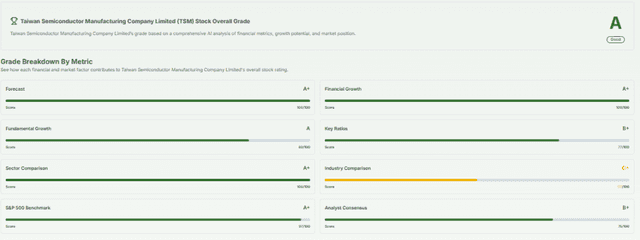
Other market analysts also maintain a positive view because demand for AI chips continues to support revenue growth. At the same time, they note that export restrictions and valuation levels could create short-term price swings. Investors will likely keep a close eye on customer negotiations, future earnings reports, and any updates to the company’s pricing strategy.
Key Takeaways for the Semiconductor Market
TSMC’s planned price increase reflects longer-term changes in semiconductor manufacturing. Building advanced fabrication plants costs more than ever, global expansion requires significant investment, and AI demand continues to push production capacity higher. As these trends continue, leading foundries with advanced manufacturing capabilities are gaining greater pricing power.
Conclusion
TSMC’s planned chip price increases for 2027 reflect the higher cost of producing advanced semiconductors as AI demand continues to grow. While customers may face higher manufacturing expenses, the additional revenue could help fund new production facilities and support future technology development. Investors should continue watching customer demand, AI spending, quarterly earnings, and how successfully TSMC implements its pricing plans over the next year.
Disclaimer:
The content shared by Meyka AI PTY LTD is for research and informational purposes only. Meyka is not a financial advisory service, and the information provided should not be treated as investment or trading advice.
What brings you to Meyka?
Pick what interests you most and we will get you started.
I'm here to read news
Find more articles like this one
I'm here to research stocks
Ask Meyka Analyst about any stock
I'm here to track my Portfolio
Get daily updates and alerts (coming March 2026)