
Key Points
Jensen Huang joined Trump’s China trip in May 2026, raising Nvidia H200 deal expectations.
H200 AI chip access to China is a key focus in ongoing U.S.-China tech negotiations.
Investors see potential policy easing, but export restrictions still remain strict.
Nvidia sits at the center of AI growth, semiconductor trade, and global tech diplomacy.
In May 2026, Nvidia CEO Jensen Huang joined U.S. President Donald Trump on a high-profile trip to China. The unexpected move quickly drew attention from global markets and tech leaders. Investors are watching closely for signals on Nvidia’s H200 AI chip exports. The visit comes at a time of sensitive U.S.-China trade and technology talks. Hopes are rising that new discussions could ease restrictions and reshape AI chip supply chains.
Sudden Inclusion of Jensen Huang in Trump’s China Delegation
Last-minute invitation changes market expectations
Jensen Huang’s inclusion in the U.S. delegation to China in May 2026 surprised both investors and analysts. Reports indicate he was not part of the original travel list but was added shortly before departure. His presence immediately shifted market focus toward semiconductor diplomacy.
The move signals how critical Nvidia has become in global AI competition. The company sits at the center of advanced chip supply chains. Any policy signal involving Nvidia is now seen as market-moving.
Why does this matter for tech diplomacy?
This is not just a symbolic visit. It connects trade policy with AI infrastructure.
Key points shaping expectations:
- NVIDIA plays a major role in AI data center expansion globally
- China remains a high-demand market for advanced GPUs
- Export policy decisions directly impact semiconductor revenues
The inclusion of Huang suggests that AI chips are now part of a top-level diplomatic negotiation strategy.
H200 AI Chips: What Is at Stake in U.S.-China Talks?
Why is Nvidia’s H200 chip so important?
The H200 AI GPU is designed for high-performance computing and generative AI workloads. It is one of Nvidia’s most advanced data center chips under current export rules.
Its importance comes from:
- High demand for AI model training
- Use in large-scale cloud infrastructure
- Efficiency gains over previous-generation chips
China’s tech sector has shown strong interest in these chips, especially as AI adoption accelerates across industries.
Will China get access to H200 chips?
This is the biggest question in the market right now.
At present:
- U.S. export controls remain strict on advanced semiconductors
- Licenses for high-end GPU exports are tightly regulated
- Any approval would likely come with usage restrictions
If even partial approval is granted, it could reopen a major revenue stream for Nvidia in Asia.
U.S.-China Tech Diplomacy: Why Semiconductors are the Core Issue
Are chips now more important than traditional trade goods?
Yes. Semiconductors are now central to U.S.-China relations. Unlike traditional goods, AI chips directly influence national security, military computing, and digital dominance.
This is why negotiations often focus on:
- AI hardware exports
- Cloud computing infrastructure access
- Supply chain independence strategies
The Nvidia CEO’s participation highlights how private tech leaders are now part of geopolitical discussions.
What else is being discussed in the talks?
Along with semiconductors, broader issues are also on the table:
- Trade balance adjustments
- Aerospace and industrial exports
- Energy cooperation discussions
However, AI and chip technology remain the most sensitive topics on the agenda.
Market Reaction: How Investors are Reading the Signal?
Why did Nvidia’s stock sentiment shift after the news?
Investors reacted quickly because Nvidia’s revenue growth is tightly linked to global chip access. Any hint of policy relaxation toward China can influence future earnings expectations.
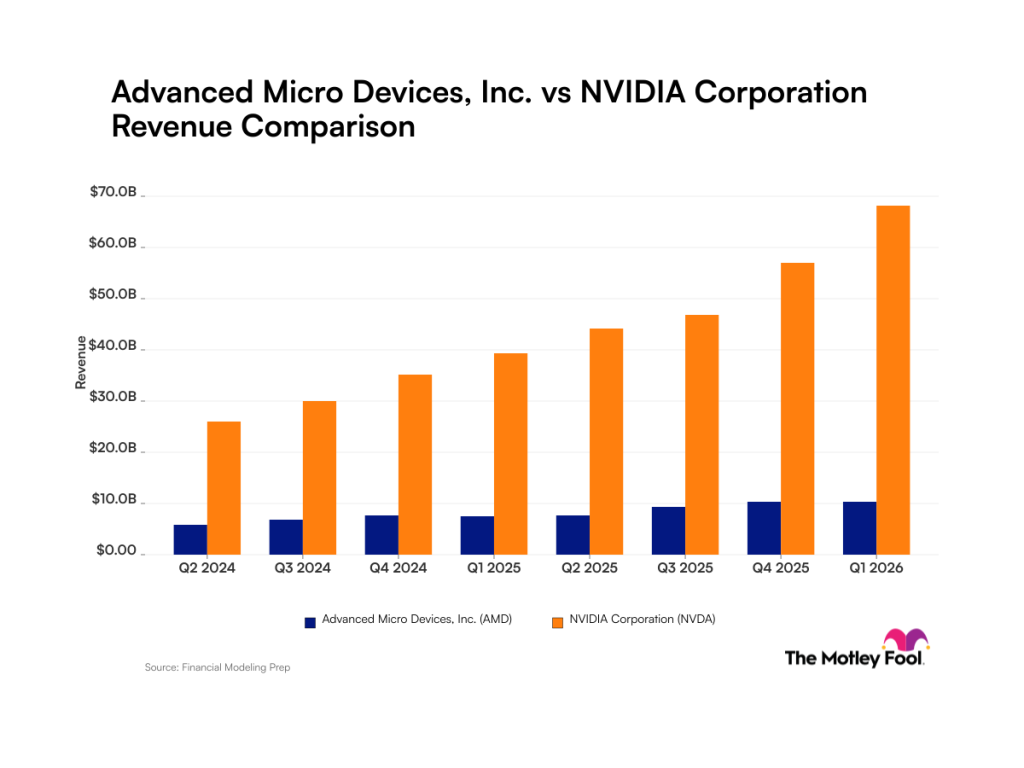
Market behavior shows:
- Increased interest in semiconductor stocks
- Higher volatility in AI-related equities
- Strong focus on U.S. policy announcements
What do analysts expect next?
Most analysts believe the outcome will be gradual rather than immediate. Even if discussions improve, full export approval is unlikely in the short term.
AI-driven stock analysis tools like Meyka AI-based screening systems also reflect this cautious sentiment, highlighting Nvidia as a high-growth but policy-sensitive stock under current conditions.
What is the broader analyst view?
- Bullish case: Limited easing could unlock billions in deferred demand
- Bearish case: Continued restrictions may slow China’s revenue growth
- Neutral view: Nvidia will rely more on U.S. and allied markets
Global research firms generally agree that geopolitical risk remains a key pricing factor for semiconductor stocks.
Final Outlook: What Happens Next?
The coming weeks will be important for clarity on the chip export policy. Any official statement from the U.S. or China could reshape expectations quickly. For now, Nvidia remains at the center of both AI innovation and geopolitical strategy. Investors are watching closely, as even small policy shifts could have a large impact on global semiconductor markets.
Disclaimer:
The content shared by Meyka AI PTY LTD is solely for research and informational purposes. Meyka is not a financial advisory service, and the information provided should not be considered investment or trading advice.
What brings you to Meyka?
Pick what interests you most and we will get you started.
I'm here to read news
Find more articles like this one
I'm here to research stocks
Ask Meyka Analyst about any stock
I'm here to track my Portfolio
Get daily updates and alerts (coming March 2026)