




Key Points
The Nasdaq 100 fell 2.3% after a strong AI-driven rally in 2026.
Intel and Qualcomm led sharp losses in the semiconductor sector.
Inflation, rising yields, and high valuations triggered profit booking.
AI demand remains strong, but short-term volatility is increasing.
The Nasdaq 100 dropped 2.3% this week as major chip stocks faced heavy selling pressure. Intel and Qualcomm led the decline after months of strong AI-driven gains across the tech sector. Investors are now worried about rising inflation, high interest rates, and expensive stock valuations in May 2026. The sudden market shift has raised fresh questions about whether the AI rally is slowing down or simply taking a short pause before the next big move.
Why the Nasdaq 100 Fell 2.3% After Record Highs?
The Nasdaq 100 faced a sharp pullback on May 12, 2026, after weeks of strong gains driven by artificial intelligence and semiconductor stocks. Investors moved quickly to lock profits as inflation fears, rising Treasury yields, and expensive tech valuations pressured the market.
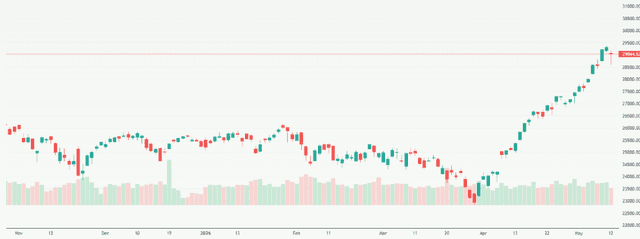
The tech-heavy index dropped around 2.3%, while semiconductor shares saw even bigger losses. Intel and Qualcomm became the biggest decliners during the session. Recent market data also showed growing concerns about whether the AI rally has moved too far, too fast.
Profit Booking Hits AI and Semiconductor Stocks
Semiconductor stocks were top performers in early 2026 due to the AI boom. The PHLX Semiconductor Index had already gained nearly 70% since March before the pullback. Intel rose over 220% year-to-date, while Qualcomm also saw strong gains. Investors started booking profits ahead of key inflation data and Fed signals. This triggered a sharp correction as valuation concerns increased.
Inflation and Oil Prices Add Pressure on Tech Markets
Inflation stayed near 3.8% in May 2026, while Treasury yields moved above 4.4%. Higher rates reduced the appeal of growth stocks like tech. At the same time, oil prices surged above $100 due to Middle East tensions. This added more inflation pressure and weakened investor confidence. Analysts say rising rates, geopolitical risk, and high valuations together triggered the tech market pullback.
Intel Stock Decline Sparks Wider Chip Sector Selloff
Intel became one of the biggest losers in the Nasdaq 100 decline. The stock dropped nearly 6.8% during the selloff. Its decline also pushed other semiconductor companies lower as investors reduced exposure to high-growth chip stocks.
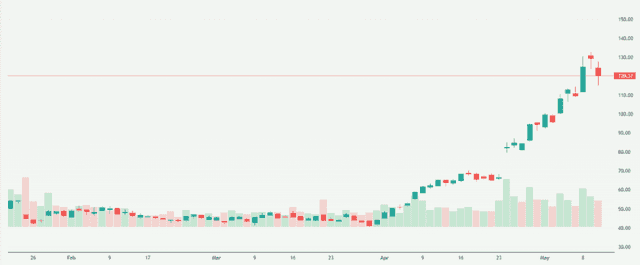
The broader chip sector faced heavy pressure despite strong AI demand trends. Micron, AMD, and SanDisk also recorded losses during the session. The semiconductor index ended the day down around 3%.
Why Did Intel Shares Fall Despite Strong AI Momentum?
Intel’s recent rally was one of the strongest in the market. The stock gained more than 170% after reports about possible foundry partnerships with Apple and Samsung. Investors became highly optimistic about Intel’s comeback in AI chips and advanced manufacturing.
However, many analysts warned that expectations became too aggressive. Intel’s foundry business still faces major costs, and future earnings growth remains uncertain. Investors started questioning whether the company’s stock price had moved ahead of fundamentals.
Some reports also showed weakness in global notebook shipments and slower PC demand. These concerns increased selling pressure on the stock.
Intel Stock Forecast and Technical Analysis Summary
Intel (NASDAQ: INTC) recently touched an all-time high above $130 before pulling back sharply. Technical indicators now show mixed momentum.
Key technical observations include:
- RSI levels recently moved into overbought territory above 80.
- Strong support is seen near the $110-113 range.
- Resistance remains close to the recent high near $130.
- Analysts expect volatility to remain elevated ahead of July earnings.
According to market analysts, Intel’s long-term outlook still depends on AI chip demand and success in foundry partnerships. Some bullish forecasts see Intel reaching $118-125 again if AI demand stays strong. More cautious analysts believe valuation risks could trigger deeper corrections.
What Meyka Says About Intel?
AI stock analysis tool Meyka highlights Intel’s strong momentum trend but also signals elevated volatility after the stock’s massive rally. The platform’s technical models suggest investors should closely watch support levels and earnings updates before expecting another breakout move.
Meyka’s broader analysis aligns with several Wall Street concerns that much of the near-term optimism may already be priced into the stock. At the same time, analysts still see Intel as one of the most important long-term AI infrastructure players in the semiconductor market.
Qualcomm Leads Mega-Cap Tech Decliners
Qualcomm shares dropped more than 11%, making it one of the worst-performing large-cap technology stocks during the selloff. Investors became worried about slowing smartphone demand and weaker guidance for upcoming quarters.
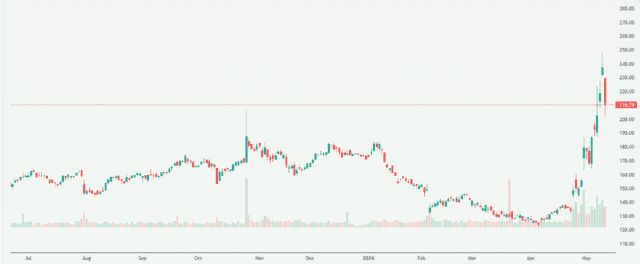
The company still reported solid growth in automotive and AI-related businesses, but concerns around its core handset business hurt investor confidence.
Why Did Qualcomm Stock Fall So Sharply?
Qualcomm recently posted strong quarterly earnings, including revenue of $10.6 billion and record automotive sales growth. However, analysts focused more on slowing smartphone demand and memory supply issues affecting Android devices.
The company warned that weakness in China’s smartphone market could impact future sales. Qualcomm’s handset business still represents a large part of total revenue, making investors cautious about near-term growth.
Wall Street firms also lowered some price targets due to weaker guidance expectations and supply chain risks.
Qualcomm Technical Analysis and Forecast
Qualcomm (NASDAQ: QCOM) recently traded near $168 after pulling back from highs above $180. Technical analysts say the stock is testing a key support area between $166 and $168.
Important technical signals include:
- Near-term support remains around $165.
- Resistance levels sit near $180 and $190.
- Automotive and AI businesses continue supporting long-term growth.
- Analysts remain divided on the short-term direction.
Some analysts still see long-term upside because of Qualcomm’s expansion into AI PCs, automotive chips, and edge AI computing. Others remain cautious because smartphone demand remains weak globally.
What Meyka Says About Qualcomm?
Meyka’s latest analysis on Qualcomm suggests the stock remains under pressure in the short term due to weak handset demand and slowing Android sales. However, the platform also notes improving diversification into automotive AI, data centers, and edge computing.
The platform’s technical outlook currently shows mixed momentum. Analysts believe future earnings and guidance updates will likely decide whether Qualcomm resumes its rally or continues correcting lower.
Semiconductor Stocks Reverse After Historic 2026 Rally
The semiconductor sector was one of the market’s biggest winners during the AI boom. NVIDIA, AMD, Intel, Broadcom, and Qualcomm helped push both the Nasdaq and S&P 500 to record highs earlier in 2026.
Now, investors are becoming more selective. Many traders are rotating away from aggressive growth stocks and moving into safer sectors like healthcare and consumer staples.
Are Investors Becoming More Cautious About AI Stocks?
Some analysts now compare the AI rally to previous technology bubbles. Investor Michael Burry recently warned that current semiconductor valuations resemble the late stages of the dot-com bubble.
Several market strategists believe AI remains a powerful long-term trend, but they also expect more volatility and corrections after the sector’s explosive gains. Rising interest rates and weaker economic growth could increase pressure on highly valued technology companies.
How Inflation, Interest Rates, and Geopolitics Impact Tech Stocks?
Technology stocks usually react strongly to interest rate changes. Higher Treasury yields reduce the present value of future earnings, which hurts growth-focused companies like semiconductor firms.
The U.S. 10-year Treasury yield recently climbed above 4.46%, increasing pressure on technology valuations. Investors also remain worried about geopolitical risks, especially tensions in the Middle East and rising oil prices.
Why are Treasury Yields Important for Nasdaq Stocks?
Higher bond yields give investors safer alternatives to stocks. When yields rise quickly, many investors move money away from high-risk growth companies. This often leads to corrections in tech-heavy indexes like the Nasdaq 100.
Large AI-related companies remain profitable, but their valuations have become extremely high during the recent rally. Rising yields now force investors to reassess how much they are willing to pay for future growth.
What Investors Should Watch Next in the Nasdaq 100?
Investors will now closely watch upcoming earnings reports, inflation data, and Federal Reserve commentary. Semiconductor companies remain central to the AI market story, but expectations are now extremely high.
Upcoming quarterly reports from Nvidia, Cisco, and other major tech firms could strongly influence market direction during the next few weeks.
Final Words
Overall, the Nasdaq 100 decline highlights a shift in investor mood after a strong AI-led rally. Tech stocks came under pressure due to inflation worries, high interest rates, and stretched valuations. Despite short-term weakness, AI growth remains a strong long-term driver for semiconductor companies, though volatility is expected to stay elevated.
Disclaimer:
The content shared by Meyka AI PTY LTD is solely for research and informational purposes. Meyka is not a financial advisory service, and the information provided should not be considered investment or trading advice.
What brings you to Meyka?
Pick what interests you most and we will get you started.
I'm here to read news
Find more articles like this one
I'm here to research stocks
Ask Meyka Analyst about any stock
I'm here to track my Portfolio
Get daily updates and alerts (coming March 2026)