
Key Points
Germany announced major tax, labour, and pension reforms on July 2, 2026.
€10 billion in annual tax relief targets low- and middle-income households.
Labour reforms aim to boost hiring flexibility and improve workplace productivity.
Pension changes focus on long-term sustainability as Germany's population ages.
On July 2, 2026, Germany’s ruling coalition unveiled a wide-ranging package of tax, labour, and pension reforms designed to strengthen Europe’s largest economy. The proposals come at a time when the country is dealing with weak economic growth, rising costs for businesses, an aging population, and persistent labour shortages.
The government believes the changes will encourage investment, bring more people into the workforce, and improve long-term economic stability. At the same time, the package has triggered debate over how it could affect workers, businesses, and public finances.
Why did Germany introduce these sweeping reforms?
What economic challenges pushed the government to act?
Germany introduced the reforms on July 2, 2026, after several years of slow economic growth, high energy costs, weak industrial production, and stronger competition from China. The coalition was also under political pressure as public approval slipped. Government leaders said the country needed structural reforms to improve competitiveness and rebuild confidence in the economy.
What are the government’s main goals?
The coalition plans to attract more private investment, cut unnecessary regulations, create jobs, and improve the country’s long-term financial position. The package also includes measures to support housing, upgrade infrastructure, reduce bureaucracy, and make Germany a more attractive destination for businesses while maintaining its social welfare system.
Key Tax Reforms: Who Benefits Most?
€10 Billion Annual Tax Relief Plan
One of the biggest proposals is €10 billion in annual income tax relief aimed at low- and middle-income households. The government plans to raise tax-free allowances, increase child benefits, and reduce the tax burden on middle-income earners.
Official estimates suggest that a family with two children earning about €60,000 a year could save more than €600 annually. Officials expect the additional disposable income to support consumer spending and economic activity.
Higher Taxes for Top Earners
To offset part of the tax relief package, the government wants to increase the top income tax rate from 45% to 47%. The higher rate would apply to people earning around €280,000 or more each year.
According to the coalition, this approach provides tax relief for most households while helping keep public finances under control. Some business groups, though, argue that higher taxes on top earners could discourage investment.
Labour Market Reforms Aim to Boost Productivity
What employment rules are changing?
The package gives employers more flexibility by expanding the use of fixed-term employment contracts. It also reduces paperwork and simplifies hiring procedures, especially for start-ups and growing businesses.
The government expects these changes to encourage recruitment while lowering administrative costs. Faster approvals and fewer reporting requirements are also intended to improve the overall business climate.
Why are the new sick leave rules controversial?
One of the most debated proposals would require workers to provide a doctor’s certificate from the first day of illness. The government says the rule is intended to reduce absenteeism and improve productivity.
Labour unions and healthcare organizations argue it could place extra pressure on both employees and medical services. Many business groups, on the other hand, support the proposal because they believe it will improve workplace efficiency.
Pension Overhaul Focuses on Long-Term Sustainability
How will retirement rules change?
Germany plans to gradually increase the retirement age in line with gains in life expectancy. The reforms also introduce a capital market-based element to the public pension system to strengthen long-term funding. Officials say these changes are necessary because an aging population is putting increasing pressure on pension finances and shrinking the working-age population.
Why has the pension reform sparked debate?
Labour unions argue that raising the retirement age could create difficulties for people with physically demanding jobs. Employer organizations generally support the proposal because they believe it will improve the long-term stability of the pension system.
Analysts say demographic changes, lower birth rates, and rising retirement costs have made pension reform harder to avoid. Parliament is expected to continue debating the proposals later this year.
Market Reaction and What Comes Next
Many economists and business organizations have welcomed the package, calling it Germany’s biggest structural reform effort in years. Some analysts believe the measures could improve investment, strengthen competitiveness, and support long-term economic growth if they are fully implemented. Others say additional reforms to public spending may still be needed. Parliament is expected to review the main proposals before the end of 2026.
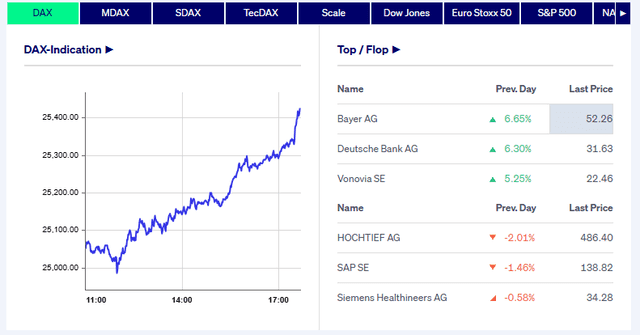
Businesses, investors, and workers will be watching closely as the legislation moves through Parliament. An AI stock analysis tool can also help investors track how these policy changes may affect German companies and the wider European market.
Conclusion
Germany’s proposed tax, labour, and pension reforms are part of a broader plan to improve economic performance while responding to long-term demographic and fiscal pressures. If Parliament approves the measures, they could encourage investment, increase workforce participation, and support more sustainable growth. Much will depend on how the reforms are implemented and whether they gain enough political backing in the months ahead.
Disclaimer:
The content shared by Meyka AI PTY LTD is solely for research and informational purposes. Meyka is not a financial advisory service, and the information provided should not be considered investment or trading advice.
What brings you to Meyka?
Pick what interests you most and we will get you started.
I'm here to read news
Find more articles like this one
I'm here to research stocks
Ask Meyka Analyst about any stock
I'm here to track my Portfolio
Get daily updates and alerts (coming March 2026)