
Key Points
FTSE 100 opened lower on May 7, 2026, amid cautious global sentiment.
Trump’s Iran deal optimism created mixed reactions in markets.
Oil volatility pressured energy stocks like BP and Shell.
The UK index lagged global peers due to energy-heavy exposure.
On Thursday, May 7, 2026, the FTSE 100 opened lower as global investors reacted to renewed optimism around a possible US-Iran deal. Comments linked to former US President Donald Trump eased geopolitical fears but also created uncertainty in energy markets. Traders stayed cautious as oil prices and risk sentiment shifted quickly. The UK index reflected this mixed mood, with early losses setting the tone for the session ahead at the start of trading.
FTSE 100 Early Trading Performance and Market Snapshot
The FTSE 100 started the session in negative territory on Thursday, May 7, 2026. Investors reacted quickly to shifting global news and reduced risk exposure. Early trading showed a mild drop across the index, led mainly by energy and defence-related shares. European markets were also mixed, with some indices holding steady while others slipped.
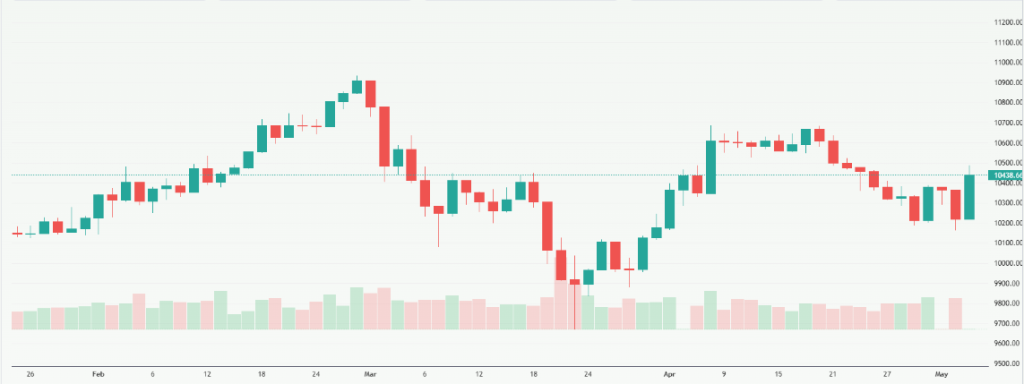
Key early signals included:
- Weak opening in London blue-chip stocks
- Slight pressure on global risk sentiment
- Defensive buying in healthcare and utilities
- Lower momentum in oil-linked companies
Market sentiment stayed cautious as traders waited for clearer updates on geopolitical negotiations and oil direction. According to recent market commentary from financial news platforms like Reuters and Investing.com, volatility remains linked to political headlines and energy price expectations.
How is Trump’s Iran deal optimism affecting global markets?
Investor mood shifted after renewed optimism around possible US-Iran diplomatic progress linked to comments from Donald Trump. The idea of reduced tensions raised hopes for long-term stability in the Middle East.
However, markets did not fully rally. Instead, reactions were mixed.
Key reasons behind cautious trading:
- No confirmed final agreement yet
- Uncertainty over sanctions and nuclear terms
- Possible sudden policy reversals
- Short-term profit booking by traders
Some investors see this as positive for global growth. Others worry it could quickly change. This split view is creating uneven movement in equities, especially in energy-heavy indices like the FTSE 100.
Why are oil prices reacting so sharply to Iran-related news?
Oil remains the biggest driver behind FTSE 100 sensitivity. Any talk of Iran returning to the global oil supply directly impacts crude prices.
Recent trends show:
- Brent crude reacting to geopolitical headlines
- Price pressure when peace talks improve
- Temporary spikes when tensions rise again
Energy stocks such as BP and Shell often move with these shifts. When oil falls, their earnings outlook weakens. When oil rises, they gain support.
This constant swing is one reason the FTSE 100 stays volatile during diplomatic developments in the Middle East.
Which FTSE 100 sectors are most affected right now?
The index is not moving evenly. Different sectors are reacting in different ways based on oil prices and global sentiment.
- Energy sector: Energy stocks are under pressure due to expectations of higher supply if Iran returns to the oil market.
- Defence sector: Mixed performance continues. Long-term contracts remain strong, but short-term sentiment softens when geopolitical risks ease.
- Travel and airlines: These stocks are gaining mild support as lower fuel costs improve cost outlooks.
- Financials: Banks remain stable, but trading activity is cautious due to global uncertainty.
Overall, the FTSE 100 is showing a rotation pattern rather than a broad market trend.
How are global markets reacting to geopolitical optimism?
Global equities are not moving in one direction. US markets have shown stronger performance recently, while Europe and the UK are more cautious.
Key global trends:
- US indices remain supported by tech and growth stocks
- European markets show moderate gains but uneven sector movement
- UK markets lag due to energy weight in the FTSE 100
According to market analysis reports from Reuters, investors are balancing geopolitical optimism with profit-taking after recent gains.
An AI stock analysis tool used by institutional traders is also highlighting increased volatility signals in energy-heavy indices. It suggests short-term caution until oil prices stabilize.
What does this mean for UK investors?
For UK investors, the situation is a mix of risk and opportunity. The FTSE 100 is highly sensitive to global oil and political news, so quick moves are expected.
Important points to watch:
- Possible downside if negotiations stall
- Upside potential if oil prices stabilize at a lower level
- Sector rotation into travel and consumer stocks
- Short-term volatility driven by headlines
Investors are focusing more on diversification and defensive positioning until clarity improves.
Are there stock-specific insights or Meyka analysis available?
The FTSE 100 is an index, not a single stock, so there is no direct stock page on Meyka.com for it. However, major components like BP and Shell typically influence index direction.
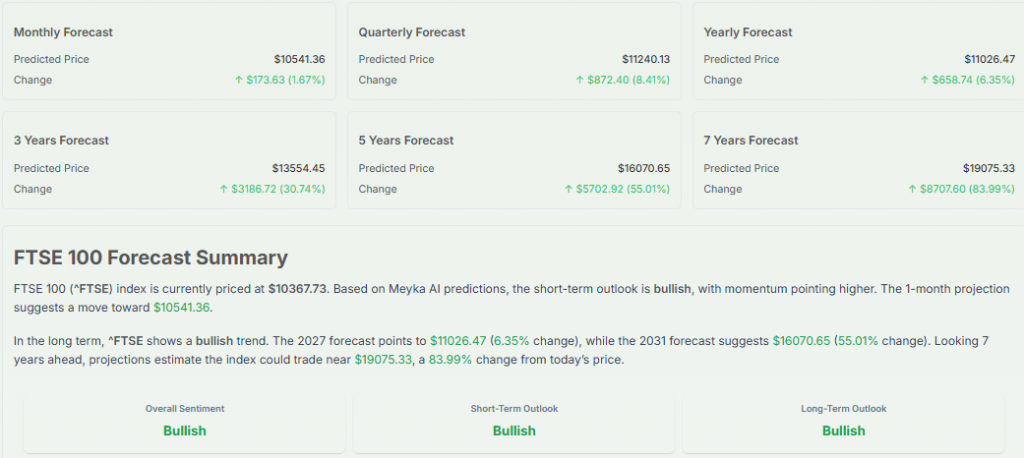
General market view:
- Meyka provides AI-based FTSE 100 index forecasts with short and long-term projections on its official index page
- Individual stocks show mixed technical signals
- Energy stocks remain key drivers of index movement
From the broader analyst consensus, energy-linked equities remain range-bound until oil stabilizes. Technical charts across major constituents show sideways momentum with short-term volatility spikes.
While tools like AI stock analysis platforms help track sentiment and price trends, traders still rely heavily on macro news for direction in this environment.
Final Words
The FTSE 100 remains under pressure as geopolitical optimism around a potential US-Iran deal reshapes market sentiment. While easing tensions could support long-term growth, uncertainty keeps investors cautious. Oil price swings and sector rotation continue to drive volatility. For now, UK markets are reacting more to headlines than fundamentals, and short-term direction will depend on how global negotiations develop.
Disclaimer:
The content shared by Meyka AI PTY LTD is solely for research and informational purposes. Meyka is not a financial advisory service, and the information provided should not be considered investment or trading advice.
What brings you to Meyka?
Pick what interests you most and we will get you started.
I'm here to read news
Find more articles like this one
I'm here to research stocks
Ask Meyka Analyst about any stock
I'm here to track my Portfolio
Get daily updates and alerts (coming March 2026)