
Key Points
Major tax shake-up in the Australian Federal Budget 2026 announced by Jim Chalmers.
Reforms target negative gearing and capital gains tax to improve housing affordability.
Support measures include worker tax offsets and small business deductions.
Debate grows over impact on investors, rents, and first-home buyers.
Australia’s Federal Budget 2026, announced on May 12 by Treasurer Jim Chalmers, could reshape the country’s tax system for years. The government plans major changes to negative gearing and capital gains tax as housing prices and living costs continue to rise. Reports suggest the reforms aim to help first-home buyers and reduce investor advantages. The budget also includes new tax relief and housing support, making it one of Australia’s most talked-about economic plans in decades.
Why the 2026 Federal Budget Is Being Called a “Historic” Tax Shake-Up?
Australia’s 2026 Federal Budget has become one of the country’s most debated economic plans in years. Treasurer Jim Chalmers presented the budget on May 12, 2026, with major tax and housing reforms at the center of the announcement. The government says the changes are designed to improve housing affordability and reduce unfair tax advantages for wealthy investors.
The budget focuses heavily on property tax reforms. These include changes to negative gearing and the capital gains tax discount. Both policies have shaped Australia’s housing market for decades. The government argues that the old system pushed home prices higher and made it harder for younger Australians to enter the market.
The Political and Economic Pressure Behind the Reforms
Australia continues to face high living costs, strong inflation pressure, and a housing shortage. Rent prices remain elevated across major cities like Sydney and Melbourne. At the same time, many young Australians are struggling to buy their first home.
Jim Chalmers recently said Australia’s tax and housing systems are “out of whack.” He argued that the economy now needs structural reform instead of temporary support measures.
Economists have also raised concerns about wealth inequality. According to Parliamentary Budget Office findings, around 80% of capital gains tax discount benefits go to the top 10% of income earners.
How This Budget Differs From Previous Federal Budgets?
Earlier budgets from the Albanese government mainly focused on energy rebates, inflation relief, and income tax cuts. Budget 2026 takes a different path. It introduces deeper tax reforms that could permanently reshape Australia’s property market and investment system.
This is also the government’s first budget after winning the 2025 federal election. That gave Labor stronger political confidence to pursue difficult reforms.
Negative Gearing Reforms Could Reshape Australia’s Property Market
Negative gearing has long been one of Australia’s most controversial tax policies. Under the current system, property investors can deduct losses from rental properties against their taxable income. Critics say this encourages speculative buying and pushes up housing prices. The 2026 Federal Budget proposes major changes to these rules.
What Is Changing in Negative Gearing Rules?
The government plans to limit negative gearing benefits mainly to newly built homes from June 2027 onward. Existing investors are expected to keep their current benefits under the grandfathering rules.
The goal is to encourage investment in new housing supply instead of existing properties. Economists say most negatively geared investors currently buy older homes rather than fund new construction.
Australian Taxation Office data shows that only around 23% of negatively geared investors purchase newly built homes.
Winners and Losers From the Policy
The reforms could create major changes across the property sector.
Potential winners include:
- First-home buyers facing less competition from investors
- New housing developers
- Younger Australians seeking lower property prices
Potential losers include:
- Existing property investors
- Landlords relying on tax deductions
- High-income earners using property for tax planning
Some property groups warn that the reforms may reduce rental supply. Others argue the changes could finally cool investor-driven price growth.
Community discussions online also show divided opinions. Reddit users and political forums remain sharply split between affordability supporters and investors worried about rising rents.
Capital Gains Tax (CGT) Overhaul Explained
The budget also targets Australia’s capital gains tax system. This reform could affect millions of future investors.
End of the Traditional 50% CGT Discount?
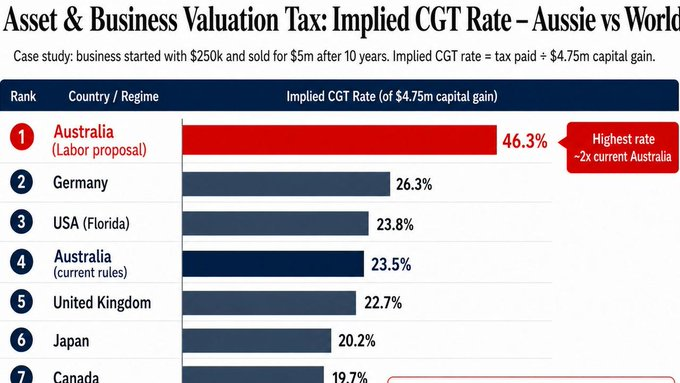
Since 1999, Australians holding assets for more than 12 months have received a 50% capital gains tax discount. The government now plans to replace this with an inflation-indexed system for assets purchased after budget night.
Under the new approach, investors would pay tax on real gains after inflation adjustments instead of receiving a flat discount.
The current 50% discount may still apply temporarily during a transition period before July 2027.
Why the Government Wants CGT Reform?
The government believes the current system heavily favors wealthy investors. Analysts say the policy has contributed to rising housing prices for years.
Economist Saul Eslake argued that the existing rules encourage investment in established homes instead of boosting housing supply.
The reforms also aim to improve “intergenerational fairness.” This phrase has become central to the government’s messaging throughout Budget 2026.
Income Tax Cuts and Relief Measures Still Included
Although tax reform dominates headlines, the budget still includes direct relief for workers and small businesses.
New Tax Offset for Workers
The government plans to introduce the Working Australian Tax Offset (WATO). Eligible Australians could receive an A$250 offset during the 2027 financial year.
However, analysts say bracket creep remains a major concern. Rising wages could push workers into higher tax brackets over time, reducing the benefit of small offsets.
Reserve Bank forecasts suggest the average worker could still face higher tax burdens over the next decade.
Small Business and Household Support
The budget also includes support for small businesses and everyday taxpayers. Key measures include:
- Permanent A$20,000 instant asset write-off
- A simplified A$1,000 deduction without receipts
- Continued staged income tax cuts through 2027
These measures aim to support spending and business investment during a slower economic period.
Some financial experts are also using AI stock analysis tool platforms to study how tax reforms may affect Australian banks, property developers, and real estate investment trusts over the next few years.
Housing Affordability Takes Center Stage in Budget 2026
Housing remains the biggest issue driving the federal budget debate.
A$2 Billion Housing Push for Younger Australians
The government announced a major housing package worth around A$2 billion. The plan aims to increase housing construction and improve affordability for younger buyers.
Australia’s housing shortage continues to pressure renters and first-home buyers. Vacancy rates in some areas remain below 1%, keeping rents elevated. The government hopes new incentives for construction can improve supply over the next several years.
Could These Reforms Finally Help First-Home Buyers?
Supporters believe fewer investor tax breaks could reduce competition in the housing market. That may give younger Australians a better chance to purchase homes.
Still, critics argue that investor demand also helps support rental housing. If investors leave the market too quickly, rental shortages could worsen. The final outcome will likely depend on how quickly the new housing supply increases.
Budget Savings, Deficits, and Economic Forecasts
The government says Budget 2026 balances reform with fiscal restraint.
How did the Government improve the Budget Bottom Line?
Treasurer Jim Chalmers announced a projected A$44.9 billion improvement in the budget bottom line over four years.
Major savings come from:
- National Disability Insurance Scheme reforms
- Reduced investor tax concessions
- Spending restraint measures
- Lower growth in government payments
According to government figures, the total improvement since Labor took office has reached A$263.8 billion.
Inflation and Interest Rate Concerns Remain
Despite stronger budget numbers, inflation risks remain a concern. Economists warn that large government spending programs could keep pressure on prices and interest rates. Global uncertainty, including conflict in the Middle East, also adds economic risk. The Reserve Bank will continue monitoring inflation closely during 2026.
Political Fallout and Public Reaction to the Tax Changes
The budget has already triggered strong reactions across Australia.
Opposition and Investor Backlash
Opposition parties accuse Labor of breaking election promises. Critics say the government previously ruled out major property tax reforms during the 2025 election campaign. Property industry groups also warn the reforms could discourage investment and hurt rental markets. Several business analysts expect a heated political debate in the coming months.
Why Younger Australians May Support the Reforms?
Many younger Australians support the changes because housing affordability has become a major issue. Polls and online discussions suggest growing frustration with investor tax advantages and rising home prices. The Albanese government continues framing the reforms as a long-term fairness strategy designed to help future generations.
Key Numbers and Budget 2026 Statistics to Include
Several major numbers define Australia’s Federal Budget 2026:
- A $44.9 billion projected budget improvement over four years
- A $263.8 billion total budget improvement since 2022
- A $7.9 billion estimated annual cost of negative gearing concessions
- Around 23% of negatively geared investors buy new homes
- A $20,000 permanent instant asset write-off for small businesses
- A$250 Working Australian Tax Offset planned for 2027
These figures highlight the scale of the proposed reforms and their potential economic impact.
Final Words
Australia’s Federal Budget 2026 marks a major shift in tax and housing policy. The focus on negative gearing and capital gains tax reform shows a clear push for fairness and affordability. While supporters see long-term benefits for first-home buyers, critics worry about market disruption. Overall, the changes signal a bold economic direction that could reshape investment, housing, and taxpayer outcomes across Australia in the coming years.
Disclaimer:
The content shared by Meyka AI PTY LTD is solely for research and informational purposes. Meyka is not a financial advisory service, and the information provided should not be considered investment or trading advice.
What brings you to Meyka?
Pick what interests you most and we will get you started.
I'm here to read news
Find more articles like this one
I'm here to research stocks
Ask Meyka Analyst about any stock
I'm here to track my Portfolio
Get daily updates and alerts (coming March 2026)