




Key Points
April 2026 CPI inflation is expected to rise to 3.7% year over year.
The Iran war and higher oil prices are driving fuel and transport costs up.
Markets fear delayed Federal Reserve interest rate cuts in 2026.
Rising housing, healthcare, and energy prices continue to pressure consumers.
U.S. inflation is expected to rise again in April 2026 as higher oil prices continue to pressure consumers and businesses. The ongoing Iran conflict has pushed global energy costs upward, raising concerns about gasoline, food, and transportation prices across the country. Economists now expect the Consumer Price Index (CPI) to show stronger monthly growth than previous reports. Investors and the Federal Reserve are watching closely, as the latest inflation data could shape interest rate decisions and market trends in the months ahead.
Why the April 2026 CPI Report Matters More Than Previous Months?
The April 2026 Consumer Price Index (CPI) report has become one of the most closely watched economic releases of the year. Inflation was already above the Federal Reserve’s 2% target before the Iran conflict pushed global oil prices sharply higher. Now, economists expect another jump in consumer prices as energy, food, transportation, and housing costs continue rising across the United States.
According to a Reuters report published on May 12, 2026, economists expect headline CPI to rise 0.6% in April after a 0.9% increase in March. Annual inflation is projected to reach 3.7%, its highest level since September 2023.
The report matters because it could shape Federal Reserve policy for the rest of 2026. Markets are now reducing expectations for near-term interest rate cuts. Investors fear inflation may remain elevated longer than expected.
Is Inflation Moving Away From the Fed’s 2% Goal?
Yes. Inflation had started cooling in late 2025, but the recent oil shock changed the outlook quickly. The Iran war has disrupted energy supplies and increased transportation costs worldwide. Brent crude prices climbed above $105 per barrel in May 2026, while U.S. crude approached $100.
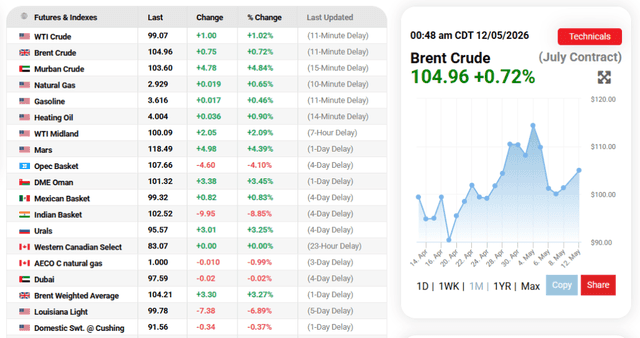
Higher fuel costs are now spreading into many parts of the economy:
- Airlines face rising operating expenses
- Shipping companies are paying more for fuel
- Grocery prices are increasing due to transportation costs
- Manufacturers are paying more for raw materials
Central banks now warn that inflation may stay high longer than expected. The Bank of England recently said the Iran conflict could force “stronger” policy tightening if oil prices continue climbing.
Why are Investors Watching the CPI Report So Closely?
The April CPI report could directly affect:
- Federal Reserve interest-rate decisions
- Stock market direction
- Treasury bond yields
- Mortgage and loan rates
- Consumer confidence
A hotter-than-expected inflation reading may push the Fed to keep rates elevated into 2027. Reuters reported that economists now expect the Fed to hold rates steady between 3.50% and 3.75% for an extended period.
Many Wall Street analysts also worry about “stagflation.” This happens when inflation stays high while economic growth slows. Reuters noted that prolonged energy disruption from the Iran conflict is increasing stagflation risks across major economies.
Iran War and Oil Shock: The Biggest Driver Behind Rising Inflation
The Iran conflict has become the main reason inflation is rising again in 2026. Oil markets reacted sharply after tensions escalated near the Strait of Hormuz, one of the world’s most important energy shipping routes.
Nearly one-fifth of global oil and gas passes through the Strait of Hormuz. Any disruption there quickly affects global fuel prices. Reuters reported that Brent crude prices surged more than 45% since the conflict began earlier this year.
Why are Oil Prices Rising So Fast?
Several factors are driving the surge:
- Concerns over shipping disruptions
- Lower Iranian oil exports
- Reduced OPEC production
- Fears of broader regional instability
Reuters reported on May 12, 2026, that peace talks remain fragile and supply concerns continue pushing oil prices higher. Analysts now warn that prolonged disruptions could push oil prices toward $115 to $150 per barrel during summer 2026.
How are Higher Fuel Prices Affecting Consumers?
Americans are already feeling the impact at gas stations and grocery stores. Rising diesel and gasoline prices increase transportation costs across the economy.
The effects include:
- Higher airline ticket prices
- Rising grocery delivery costs
- Increased trucking expenses
- More expensive consumer goods
Consumer sentiment has also weakened sharply. Data shared in April 2026 showed the University of Michigan consumer sentiment index fell to 47.6, the lowest reading in the survey’s 74-year history. Many households now expect inflation to continue rising over the next year.
Are Food and Shipping Costs Also Increasing?
Yes. Food inflation is rising as higher fuel prices affect farming, transportation, and logistics. Reuters data showed fertilizer and energy-intensive production costs have climbed sharply since the conflict started.
Shipping disruptions near Gulf trade routes are also creating delays and higher freight costs. These added expenses are slowly passing through to consumers.
Key Inflation Components Economists Expect to Increase in April
Economists expect several major CPI categories to rise again in April 2026. Energy remains the largest concern, but housing and healthcare inflation are also staying elevated.
Energy Inflation Could Rise Further
Energy prices are expected to remain the strongest driver of headline inflation. March CPI data already showed a major increase due to fuel costs.
Oil prices above $100 per barrel continue to affect:
- Gasoline
- Diesel
- Airfare
- Public transportation
- Electricity costs
Reuters data suggests April CPI may show another strong monthly increase because fuel prices remained elevated throughout the month.
Why Is Housing Inflation Still So High?
Housing costs continue to pressure core CPI. Rent and Owners’ Equivalent Rent (OER) remain sticky despite slower economic growth.
Housing inflation stays elevated because:
- Rental demand remains strong
- Mortgage rates are still high
- Housing supply remains limited
- Property insurance costs continue rising
Shelter inflation has become one of the hardest categories for the Federal Reserve to control.
Healthcare and Services Inflation Remain Strong
Healthcare services and labor-intensive industries are also pushing prices higher. Wage growth in the service sectors continues to add inflation pressure.
Economists expect stronger inflation in:
- Medical services
- Insurance costs
- Hospitality
- Restaurant prices
- Personal care services
This is one reason core CPI is expected to remain close to 2.7%–2.9% despite slowing consumer demand.
What Economists and Federal Reserve Officials are Saying?
Federal Reserve officials are becoming more cautious about inflation. Many policymakers now believe the Iran war could delay progress on price stability. Reuters reported that central banks globally are warning about the inflation risks created by rising energy prices.
Could Inflation Stay High Through 2027?
Some economists believe inflation could remain elevated well into 2027 if oil prices stay high.
The biggest risks include:
- Prolonged disruption in the Strait of Hormuz
- Rising global shipping costs
- Persistent energy shortages
- Slower economic growth combined with high inflation
The IMF’s chief economist recently warned that central banks may need tighter monetary policy if the conflict continues.
What Does Meyka’s AI Stock Analysis Tool Say?
The market outlook remains highly sensitive to inflation data. Several analysts using the AI stock analysis tool from Meyka note that persistent inflation could pressure growth stocks, technology shares, and interest-rate-sensitive sectors through the second half of 2026.
Analysts also believe energy and defense stocks may continue outperforming if geopolitical tensions remain elevated.
Expected Market Reaction After the CPI Release
Financial markets are preparing for volatility after the CPI release. Investors know the data could influence Federal Reserve policy and interest-rate expectations immediately.
Could Stocks Fall if Inflation Comes in Higher?
Yes. A stronger-than-expected CPI report could pressure equities, especially:
- Technology stocks
- Growth companies
- Consumer discretionary shares
- Small-cap stocks
Higher inflation usually increases fears of prolonged high interest rates.
What Could Happen to Bond Yields and the Dollar?
Treasury yields may rise if inflation remains stubborn. A hotter CPI reading often strengthens the U.S. dollar because investors expect tighter monetary policy.
Markets will also closely watch:
- Fed statements
- Oil-price movements
- Consumer spending trends
- Global geopolitical developments
Could the Iran Conflict Push Inflation Even Higher in Summer 2026?
Many economists believe inflation risks remain tilted upward for the rest of 2026.
Why Is the Strait of Hormuz So Important?
The Strait of Hormuz handles a major share of global energy shipments. Continued disruption there could create another spike in oil prices. Reuters reports show markets remain worried because ceasefire talks are unstable and supply disruptions continue.
Are Businesses Preparing for More Inflation?
Yes. Companies across several industries now expect higher operating costs in the coming months. Businesses are responding by:
- Raising prices
- Reducing spending
- Delaying expansion plans
- Increasing fuel surcharges
These changes could keep inflation elevated longer than previously expected.
Final Words
The April 2026 CPI report highlights growing inflation pressure across the U.S. economy as rising oil prices and the ongoing Iran conflict continue affecting consumers and businesses. Higher fuel, housing, and service costs are keeping inflation above the Federal Reserve’s target. Investors now expect interest rates to stay elevated longer, while markets remain highly sensitive to future inflation data and geopolitical developments.
Disclaimer:
The content shared by Meyka AI PTY LTD is solely for research and informational purposes. Meyka is not a financial advisory service, and the information provided should not be considered investment or trading advice.
What brings you to Meyka?
Pick what interests you most and we will get you started.
I'm here to read news
Find more articles like this one
I'm here to research stocks
Ask Meyka Analyst about any stock
I'm here to track my Portfolio
Get daily updates and alerts (coming March 2026)