




Key Points
Australian shares fell as Brent crude oil climbed above US$100 per barrel.
Inflation fears returned, raising expectations of higher interest rates for longer.
Technology, materials, and financial stocks led the ASX 200 decline, while energy stocks gained.
Investors now await oil price trends, RBA policy signals, and upcoming inflation data.
Australian shares slipped on July 24, 2026, after oil prices climbed above US$100 per barrel, bringing inflation concerns back into focus. Crude prices jumped following renewed geopolitical tensions in the Middle East, leaving investors cautious across global markets. Higher energy costs could put more pressure on businesses, households, and central banks. So, what pushed the market lower, which sectors came under the most pressure, and what should investors keep an eye on next?
Why Australian Shares Declined Today?
Why did oil prices climb above US$100?
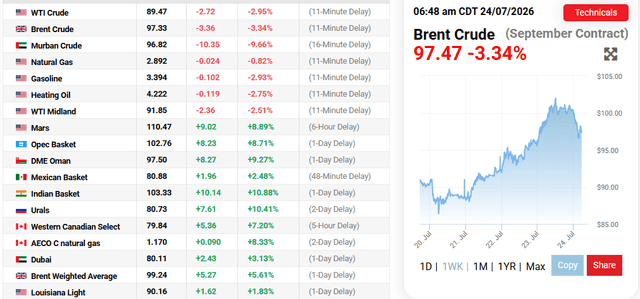
Australian shares moved lower on July 24, 2026, after Brent crude briefly traded above US$100 per barrel, its highest level since May. Oil prices rose as tensions in the Middle East fueled concerns over possible supply disruptions through major shipping routes, including the Strait of Hormuz and the Red Sea. Reuters reported that Brent crude touched around US$100.85 after a strong overnight rally.
How are inflation fears affecting investors?
When oil prices rise, businesses usually face higher transport, manufacturing, and logistics costs. Investors are concerned that these higher expenses could slow the recent decline in inflation and leave central banks with little room to lower interest rates. Bond yields also climbed as markets adjusted their expectations, prompting many investors to shift money away from riskier assets and into safer investments.
How the ASX 200 Reacted?
Which sectors led the market decline?
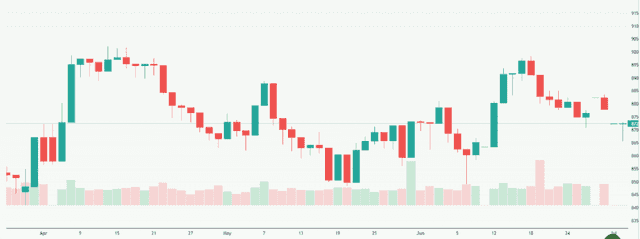
The S&P/ASX 200 closed 0.76% lower at 8,772.3 points, recording one of its weakest sessions in recent weeks. Technology and materials stocks led the losses as investors responded to rising borrowing costs and softer commodity sentiment. Financial stocks also ended the day lower.
Were any sectors able to gain?
Yes. Energy stocks performed better than the broader market because higher crude prices generally improve earnings for oil and gas producers. Even so, those gains were not enough to offset losses across most other sectors.
Market performance included:
- Information Technology dropped nearly 4%.
- Materials declined by almost 3%.
- Energy was one of the few sectors to finish the session in positive territory.
Why Oil Prices Matter for Australia’s Economy?
How could higher oil prices affect Australians?
Australia relies heavily on imported refined fuel. When global oil prices increase, petrol prices, freight charges, and business operating costs usually rise as well. Many businesses pass those extra costs on to customers, which can keep inflation elevated and reduce household purchasing power.
What does this mean for the Reserve Bank of Australia?
Persistent inflation may leave the Reserve Bank of Australia (RBA) more cautious about lowering interest rates. If oil prices remain elevated, markets could push back expectations for future rate cuts. Investors will be watching upcoming inflation figures and RBA comments for any change in policy expectations.
During periods like these, research platforms such as the Meyka AI stock analysis tool can help investors assess changing market conditions alongside company fundamentals and technical indicators.
Global Markets Also Feel the Pressure
Is this a global market trend?
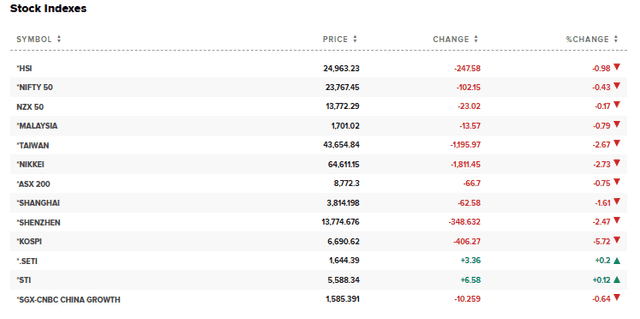
Yes. The weakness in Australian shares reflected a broader decline across Asian markets and Wall Street. Rising oil prices, higher bond yields, and geopolitical tensions reduced investors’ appetite for risk. Markets in China and Hong Kong also traded lower as concerns grew that higher energy costs could slow economic growth and delay interest rate cuts. Any disruption to global oil supplies can quickly affect inflation, company earnings, and investor sentiment.
Key Factors Investors Should Watch Next
Investors will be watching several developments in the coming days:
- Whether Brent crude remains above US$100 per barrel.
- New developments in the Middle East conflict.
- Australia’s next inflation report.
- Reserve Bank of Australia policy updates.
- Earnings results from major ASX-listed companies.
- Global bond yields and overall market sentiment.
Conclusion
Australian shares came under pressure as oil prices climbed above US$100 per barrel, bringing inflation concerns back into the market. Energy companies benefited from stronger crude prices, but losses across technology, materials, and financial stocks weighed on the broader index. Market direction will likely depend on oil prices, geopolitical developments, and upcoming economic data. Until inflation eases more consistently, investors should expect market volatility to remain elevated.
Disclaimer:
The content shared by Meyka AI PTY LTD is for research and informational purposes only. Meyka is not a financial advisory service, and the information provided should not be treated as investment or trading advice.
What brings you to Meyka?
Pick what interests you most and we will get you started.
I'm here to read news
Find more articles like this one
I'm here to research stocks
Ask Meyka Analyst about any stock
I'm here to track my Portfolio
Get daily updates and alerts (coming March 2026)