Asia Markets Trade Mixed as Iran Tensions Rise and Federal Reserve outlook keeps investors cautious

Key Points
Asia-Pacific markets are trading mixed due to Iran tensions and global uncertainty.
Oil prices remain high above $100, increasing global inflation concerns.
Federal Reserve policy outlook stays cautious, delaying hopes of rate cuts.
Tech stocks in Japan and Korea show strength, while China remains volatile.
On Wednesday, April 29, 2026, Asia markets traded mixed as global investors reacted to rising tensions in the Middle East and shifting expectations around the U.S. Federal Reserve. Oil prices stayed elevated, with Brent crude hovering above the $100 mark due to concerns over supply routes near the Strait of Hormuz. This added fresh pressure on inflation worries worldwide.
At the same time, traders remained unsure about how long the Fed would keep interest rates high. Some Asian indices gained on tech strength while others slipped due to risk-off sentiment. Investors are now watching every headline closely as both geopolitics and central bank signals continue to drive market direction.
Asia-Pacific Markets React to Mixed Global Signals and Geopolitical Pressure
Asia-Pacific equities are moving in different directions as investors react to global uncertainty. The main pressure comes from Iran-related tensions and rising oil prices, while expectations around the U.S. Federal Reserve’s policy decision add more caution.
On April 29, 2026, regional markets showed a mixed performance, reflecting uncertainty rather than a clear direction. According to recent market data, MSCI Asia-Pacific indices are fluctuating as traders balance inflation risks with growth optimism in tech sectors.
Japan and South Korea saw mild gains, supported by technology stocks. However, Hong Kong and parts of China remained weak due to growth concerns and risk-off sentiment.
Key market drivers:
- Rising geopolitical risk in the Middle East
- Oil price volatility above $100 per barrel
- Uncertainty ahead of the Federal Reserve policy meeting
- Mixed global tech earnings sentiment
Why are Asian Markets So Sensitive to Iran Tensions?
Asia is heavily dependent on imported energy. That makes it extremely sensitive to oil price shocks.
Strait of Hormuz risk keeps traders on edge
The Strait of Hormuz remains a key concern. Around 20% of global oil supply passes through this route, making it a critical chokepoint. Any disruption raises immediate inflation fears.
Recent reports show:
- Brent crude has stayed above $100-110 per barrel
- Energy inflation expectations have increased globally
- Supply chain risk remains elevated due to ongoing conflict tension
How does oil impact Asian stocks?
Higher oil prices directly affect:
- Transportation costs
- Manufacturing margins
- Inflation in import-heavy economies like Japan and India
This leads investors to reduce exposure to cyclical sectors and move toward defensive assets.
What Is Happening in Japan, Korean, and Chinese markets?
Japan: Strong tech but profit-taking pressure
Japan’s Nikkei index has shown strong long-term momentum but remains volatile.
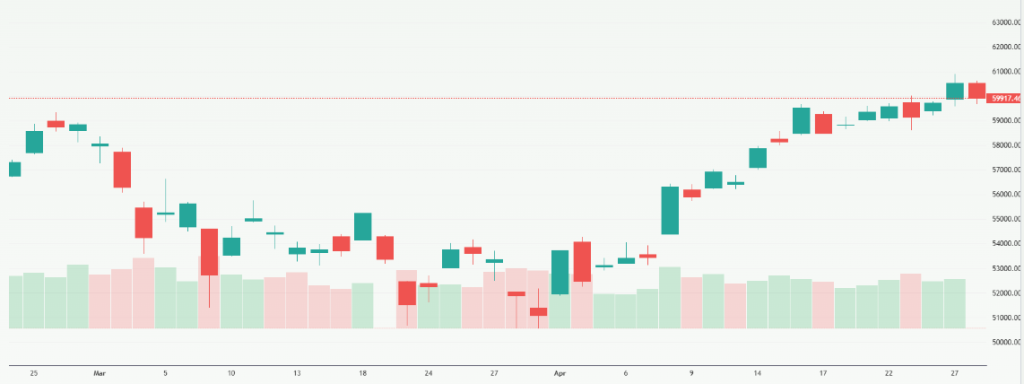
Recent trends:
- Record highs earlier in April 2026
- Supported by semiconductor and AI-related stocks
- Occasional pullbacks due to profit booking
Even with short-term declines, Japanese tech remains a major global driver.
South Korea: Chip cycle supports gains
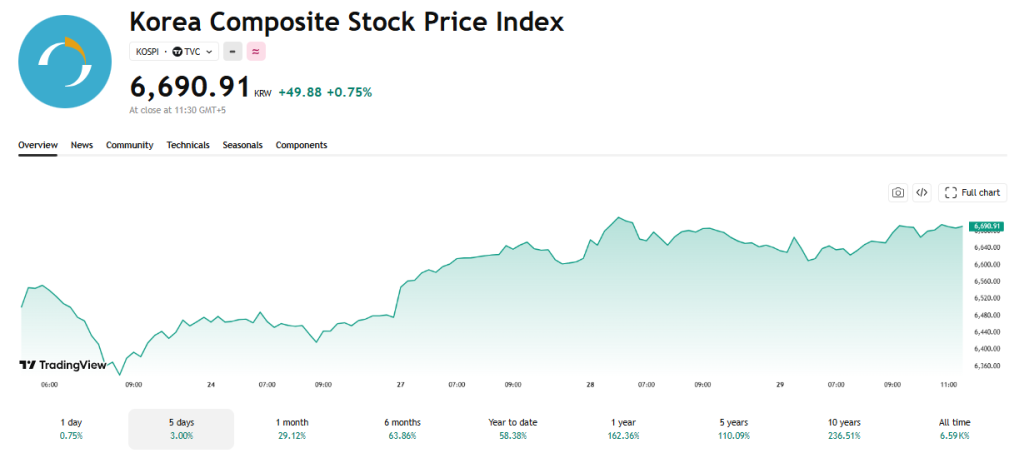
South Korea’s KOSPI continues to benefit from global semiconductor demand. However:
- Foreign outflows are increasing volatility
- Currency weakness adds pressure
- AI chip demand remains the main support factor
China and Hong Kong: Mixed recovery
China’s markets remain uneven:
- Shanghai Composite shows mild gains
- Hang Seng fluctuates due to external risk sentiment
- Domestic demand recovery is still fragile
Investors remain cautious about long-term growth stability.
How Is the Federal Reserve Affecting Global Markets?
Will the Fed cut rates in 2026?
The Federal Reserve is currently in a “wait-and-see” mode. Markets expect rates to remain unchanged in the short term.
Key expectations:
- Fed likely to hold rates steady around 3.50-3.75%
- Rate cuts may be delayed due to inflation risks
- Oil-driven inflation is complicating policy decisions
Why does this matter for Asia?
A strong U.S. dollar and high interest rates:
- Reduce foreign capital inflows into Asia
- Increase borrowing costs for emerging markets
- Pressure equity valuations globally
Oil Prices and Inflation: The Biggest Market Driver
Oil remains the most important factor in global sentiment. Recent developments:
- Brent crude remains elevated above $100 per barrel
- World Bank warns of possible energy price surge up to 24% in 2026 if conflict continues
- Inflation expectations are rising across developed and emerging economies
Asia Markets reaction
Higher oil leads to:
- Stock market volatility
- Stronger inflation expectations
- Delayed central bank easing cycles
What are Analysts Saying About Market Outlook?
Short-term outlook: volatile and news-driven
Analysts expect:
- Daily swings based on geopolitical headlines
- Defensive positioning by institutional investors
- Reduced risk appetite in emerging markets
Medium-term view: selective opportunities
Despite risks, some positive trends remain:
- AI and semiconductor sectors remain strong
- Earnings from major tech companies are stabilizing sentiment
- Long-term growth outlook still positive in Asia-Pacific
Final Words
Asia markets remain trapped between rising geopolitical risk and uncertain monetary policy. Iran-related tensions are keeping oil prices high, while the Federal Reserve’s cautious stance limits global risk appetite. As a result, Asian equities are moving without clear direction. In the near term, markets will continue reacting sharply to oil headlines and Fed signals, keeping volatility elevated across the region.
Disclaimer:
The content shared by Meyka AI PTY LTD is solely for research and informational purposes. Meyka is not a financial advisory service, and the information provided should not be considered investment or trading advice.
What brings you to Meyka?
Pick what interests you most and we will get you started.
I'm here to read news
Find more articles like this one
I'm here to research stocks
Ask Meyka Analyst about any stock
I'm here to track my Portfolio
Get daily updates and alerts (coming March 2026)