
Key Points
Asia FX stays steady as Iran peace optimism boosts global risk sentiment.
Falling oil prices ease inflation pressure and support Asian currencies.
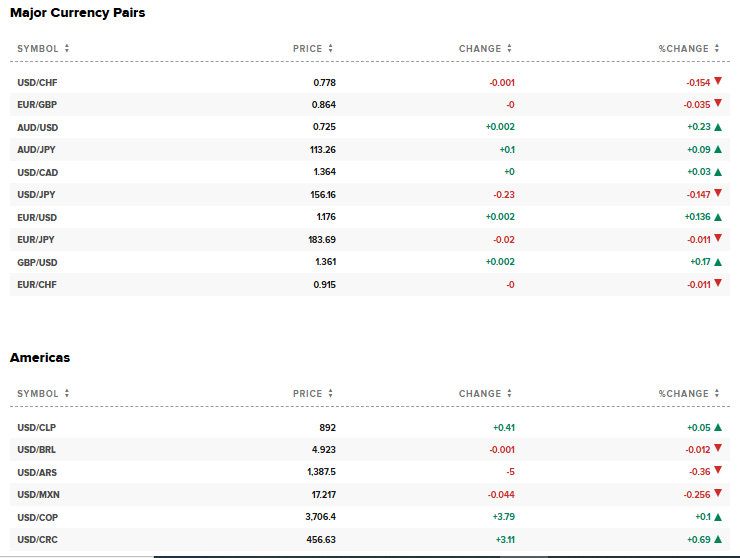
Australian dollar weakens after disappointing trade data signals softer exports.
USD remains under pressure as investors shift away from safe-haven assets.
Asian foreign exchange markets were steady on May 7, 2026, as investors reacted to fresh optimism over a potential U.S.-Iran diplomatic breakthrough. Risk sentiment improved after oil prices eased sharply earlier in the week. At the same time, the Australian dollar struggled following weaker trade data from Australia. Traders are watching global risk trends closely as currency moves remain sensitive to geopolitics, commodities, and central bank expectations across Asia-Pacific markets.
Asia FX Holds Ground as Iran Peace Optimism Improves Risk Sentiment
Asian currencies stayed mostly stable on May 7, 2026. Traders reacted to improving global risk appetite after reports of renewed diplomatic engagement between the U.S. and Iran.
Lower geopolitical tension reduced demand for safe-haven assets. This helped emerging Asian currencies hold recent gains.
Why are Asia FX markets steady right now?
Market analysts point to three key reasons:
- Easing oil prices reduced inflation concerns across Asia
- Improved global risk sentiment supported capital flows into emerging markets
- A weaker U.S. dollar created room for regional currency stability
Oil markets fell sharply earlier in the week, with Brent crude dropping nearly 7% in a single session. According to recent updates reported by major financial platforms like Reuters and Investing.com, traders reacted to expectations of reduced Middle East supply risks.
This shift is important for import-heavy economies like India, Japan, and South Korea, where lower energy costs improve trade balances and inflation outlook.
USD Weakens as Safe-Haven Demand Fades
The U.S. dollar remained under pressure as investors reduced defensive positions. Market sentiment shifted toward risk assets, especially equities and commodities.
What is driving the dollar weakness in May 2026?
- Reduced geopolitical uncertainty linked to Iran diplomacy
- Falling crude oil prices are lowering inflation expectations
- Stronger appetite for Asian and emerging market assets
The U.S. Dollar Index stayed under mild pressure in early Asian trading sessions, reflecting softer demand for safe-haven currencies. According to financial market commentary from Investing.com and Bloomberg updates, traders are now focusing more on upcoming U.S. macroeconomic data rather than geopolitical risk.
A softer dollar is helping Asian currencies stay stable even in uneven regional conditions.
Why Is the Australian Dollar Under Pressure After Trade Data?
The Australian dollar showed weakness despite overall positive global sentiment. The main trigger was disappointing trade data released from Australia earlier this week.
What went wrong for Australia’s trade performance?
Recent figures showed:
- Lower-than-expected export growth
- Weaker external demand, especially from key trading partners
- Mixed signals from commodity-linked revenues
This matters because Australia depends heavily on exports, especially to China. Even though global risk sentiment improved, the AUD could not fully benefit. Traders see a mismatch between global optimism and domestic fundamentals.
Currency strategists also highlight that the AUD remains highly sensitive to China’s industrial demand trends and global commodity cycles.
How Do Oil Prices Influence Asia FX and Global Currencies?
Oil prices are one of the strongest drivers of currency movement right now. In early May 2026, crude oil fell sharply after optimism around Middle East diplomacy.
What is the impact of falling oil prices on currencies?
Lower oil prices typically:
- Reduce inflation pressure globally
- Improve trade balances for importing countries
- Weaken energy-linked currencies and commodities indirectly
According to recent market data from Reuters and Investing.com, Brent crude saw its largest intraday decline in weeks as traders priced in reduced supply risk from the Middle East.
This directly supports Asian currencies like the Indian rupee and Japanese yen by easing import costs. However, commodity exporters feel mixed effects depending on trade exposure.
Central Bank Outlook and Market Positioning Ahead
Markets are now shifting attention away from geopolitics and back toward central bank policy.
What are traders watching next?
- U.S. Federal Reserve rate expectations
- Reserve Bank of Australia policy signals
- Inflation trends after oil price volatility
Central banks remain cautious. Inflation is not fully under control in many regions, even with recent energy price relief.
Traders are positioning for short-term volatility. Currency markets may react strongly to upcoming U.S. jobs and inflation data releases.
AI-based financial tools used by analysts are also helping interpret multi-factor currency signals, combining inflation trends, rate expectations, and geopolitical risks into real-time FX outlook models.
Key Market Takeaways for Asia FX Traders
Asian currency markets are balancing three major forces:
- Geopolitical easing from Iran diplomacy
- Weak but stabilizing U.S. dollar trends
- Mixed domestic data, especially from Australia
While sentiment has improved, fundamentals remain uneven across the region. Traders are staying cautious and selective, especially in commodity-linked currencies.
Final Words
Asia FX remains stable as geopolitical risks ease and oil prices fall. However, not all currencies are moving in the same direction. The Australian dollar shows weakness due to soft trade data, while broader sentiment stays supported by a weaker U.S. dollar. Going forward, currency markets will depend on oil trends, central bank signals, and confirmation of diplomatic progress between global powers.
Disclaimer:
The content shared by Meyka AI PTY LTD is solely for research and informational purposes. Meyka is not a financial advisory service, and the information provided should not be considered investment or trading advice.
What brings you to Meyka?
Pick what interests you most and we will get you started.
I'm here to read news
Find more articles like this one
I'm here to research stocks
Ask Meyka Analyst about any stock
I'm here to track my Portfolio
Get daily updates and alerts (coming March 2026)