
Key Points
Asia FX stayed weak as Middle East tensions boosted safe-haven demand for the US dollar.
Rising oil prices increased inflation concerns and added pressure on Asian currencies.
RBA raised interest rates to 4.35%, but the AUD impact remained limited.
Market sentiment stayed risk-off, with investors shifting toward safer assets like USD and gold.
On May 5, 2026, Asian foreign exchange (Asia FX) markets stayed under pressure as global risk sentiment weakened. Rising tensions in the Middle East kept investors cautious and pushed demand toward the US dollar. At the same time, the Reserve Bank of Australia raised interest rates as expected to 4.35% to control inflation. Despite the policy move, regional currencies remained muted as uncertainty and higher oil prices continued to weigh on market confidence.
Asia FX Under Pressure Amid Geopolitical Risk-Off Sentiment
Asian currencies stayed weak as global investors moved away from risk assets. The main trigger is rising tensions in the Middle East in early May 2026. This has pushed markets into a clear risk-off mode. Capital is flowing toward the US dollar and other safe-haven assets.
Safe-haven dollar demand strengthens
The US dollar index rose slightly as investors sought safety. Demand increased due to fear of energy supply disruption. Brent crude oil stayed elevated near multi-month highs, adding pressure on inflation expectations. According to Reuters market updates on FX trends, risk-sensitive currencies tend to underperform during geopolitical shocks.
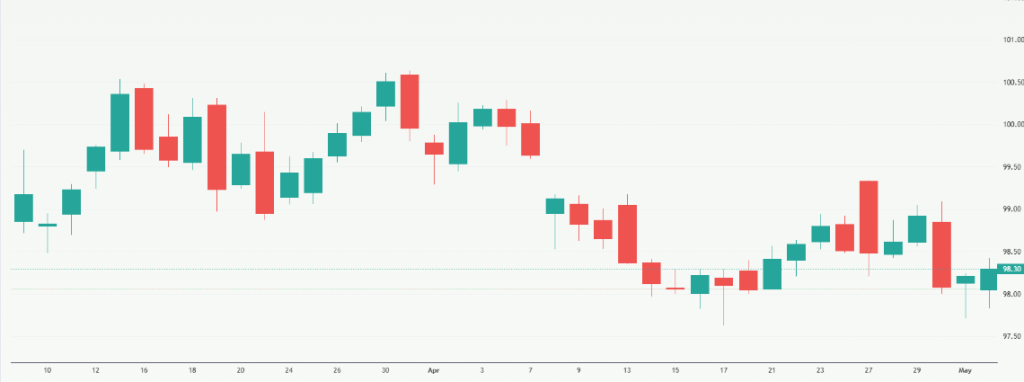
Regional currency weakness trends
Most Asian currencies traded lower or stayed flat:
- Indian rupee hovered near record lows around 95+ per USD
- Indonesian rupiah remained under pressure due to import costs
- The Korean won showed limited recovery despite central bank support
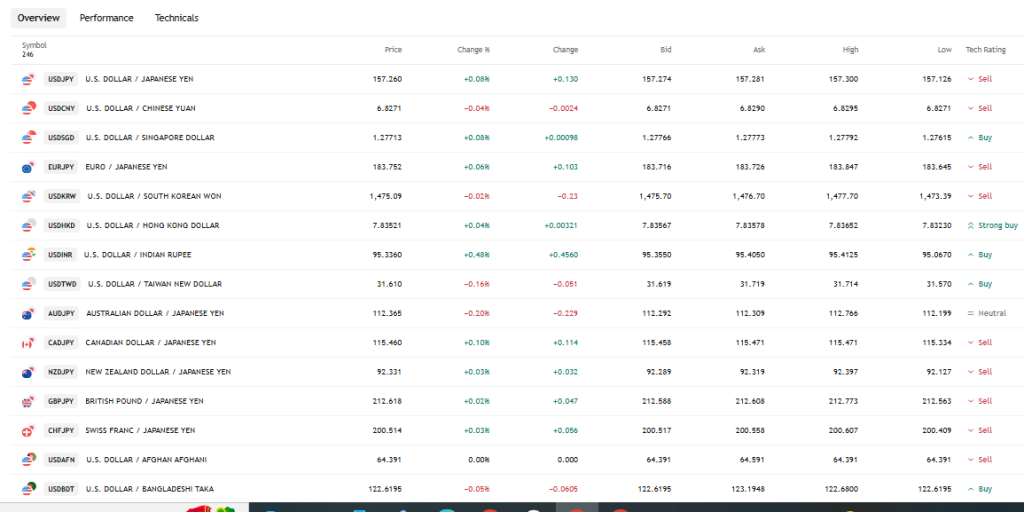
Export-heavy economies saw some support, but it was not enough to reverse losses.
Market sentiment drivers
Investor sentiment is driven by three main factors:
- Rising geopolitical uncertainty in the Middle East
- Higher crude oil prices are affecting import-dependent Asia
- Lower global liquidity due to cautious central banks
Markets remain defensive, with traders reducing exposure to emerging market FX.
Middle East Tensions Fuel Inflation and Market Volatility
Geopolitical tension is now a key driver of global inflation risk. Energy markets are reacting first, and FX markets are following.
Energy shock transmission
Oil prices remain sensitive to supply disruption risks. Even small threats to shipping routes like the Strait of Hormuz increase volatility. Higher oil prices directly impact inflation in Asia, especially in countries that rely on imports. Brent crude staying above $100/barrel is now a key market concern.
Macro implications
Global institutions like the IMF have warned that prolonged conflict can slow global growth. Inflation may stay higher for longer if energy prices remain elevated. Emerging markets face stronger pressure because of weaker currencies and higher import bills.
Investor behavior shift
Investors are moving money into:
- US dollar cash positions
- Gold as a hedge
- Short-term government bonds
Risk assets, including Asian FX, are seeing reduced inflows. In trading desks, some analysts also use AI-driven tools like Meyka.com to track sentiment shifts and currency momentum in real time.
RBA Delivers Expected Rate Hike to 4.35%
The Reserve Bank of Australia raised interest rates to 4.35% in its May 2026 meeting. The move was widely expected by markets.
Policy decision highlights
- The rate increased by 25 basis points
- Focus remains on controlling inflation
- Decision aligned with prior guidance from the central bank
The RBA stated that inflation is still above target levels and needs tighter policy support.
Inflation and growth outlook
Inflation remains sticky due to:
- High energy costs
- Strong services inflation
- Tight labor market conditions
Growth expectations have been slightly downgraded. Household spending is slowing as borrowing costs stay high.
Market reaction
The Australian dollar did not rise strongly after the hike. Markets had already priced in the move. This limited upside for AUD despite higher interest rates.
Australian Dollar (AUD) Reaction and FX Divergence
AUD stayed mostly flat after the RBA decision. Broader global risks continue to dominate price action.
Why does AUD remain weak?
AUD is under pressure due to:
- Strong US dollar trend
- Weak global risk appetite
- High sensitivity to commodity price swings
Even a supportive domestic policy is not enough to offset global fear.
FX divergence trend
Global FX markets are showing clear divergence:
- USD remains strongest
- Asian FX stays weak
- Commodity-linked currencies show mixed performance
This reflects a market driven more by risk sentiment than by domestic fundamentals.
Outlook for Asia FX and Global Markets
Asia FX will likely stay volatile in the near term. The key driver will be geopolitical news flow from the Middle East. If tensions rise further, safe-haven demand for USD may increase again. However, any easing in conflict could stabilize regional currencies. Central banks, including the RBA, are expected to stay cautious. Markets will remain sensitive to oil prices, inflation data, and global risk sentiment shifts.
Conclusion
Asia FX remains weak as global investors stay risk-averse due to rising Middle East tensions. Safe-haven demand for the US dollar is keeping pressure on regional currencies. The RBA’s expected rate hike to 4.35% shows a strong fight against inflation, but it has not lifted sentiment. Going ahead, FX markets will stay driven by geopolitics, oil prices, and central bank signals.
Disclaimer:
The content shared by Meyka AI PTY LTD is solely for research and informational purposes. Meyka is not a financial advisory service, and the information provided should not be considered investment or trading advice.
What brings you to Meyka?
Pick what interests you most and we will get you started.
I'm here to read news
Find more articles like this one
I'm here to research stocks
Ask Meyka Analyst about any stock
I'm here to track my Portfolio
Get daily updates and alerts (coming March 2026)