
Key Points
US stock futures edged lower after Wall Street hit record highs on Iran peace optimism.
Oil prices fell, easing inflation concerns and supporting overall market sentiment.
AI and semiconductor stocks, led by AMD, continued to drive the broader market rally.
Investors are now focused on U.S. jobs data, Fed policy signals, and upcoming earnings.
U.S. stock futures moved slightly lower on May 7, 2026, after Wall Street closed at fresh record highs. Investors reacted to growing optimism around a possible Iran peace agreement and easing tensions in the Middle East. At the same time, falling oil prices helped reduce inflation concerns and boosted market confidence.
However, traders remain cautious before key U.S. jobs data and Federal Reserve signals. The big question now is whether this rally can continue or if markets are heading toward a short pause.
Why U.S. Stock Futures Turned Lower After Record Highs?
U.S. stock futures moved slightly lower on May 7, 2026, after Wall Street reached fresh record highs during the previous trading session. Investors stayed optimistic about a possible U.S.-Iran peace agreement, but many traders also booked profits after the strong rally. Markets are now balancing geopolitical relief with concerns about interest rates, inflation, and upcoming economic data.
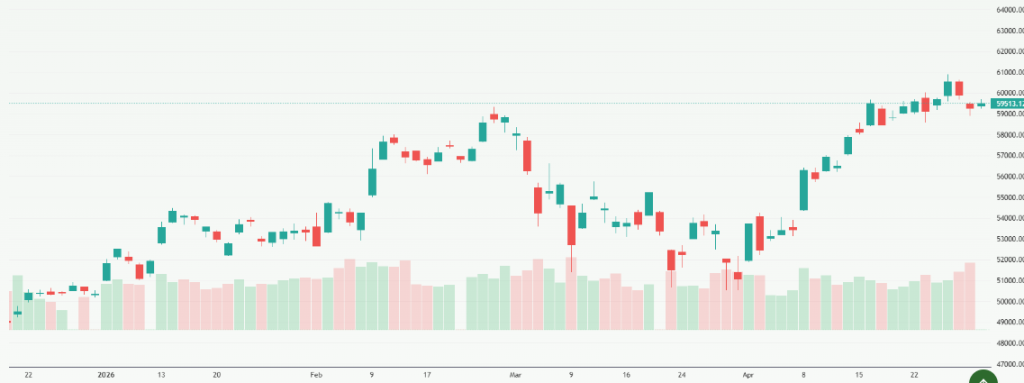
The S&P 500 and Nasdaq Composite both closed at all-time highs on May 6. However, futures trading showed a mild pause in momentum overnight. S&P 500 futures slipped about 0.1%, while Nasdaq 100 futures fell around 0.15%. Dow Jones futures also edged lower.
Futures Pause After Strong AI-Led Rally
The recent rally was fueled by strong earnings from chipmakers and growing confidence in artificial intelligence spending. Investors rushed into technology stocks after strong guidance from AMD boosted confidence across the semiconductor sector.
Wall Street also reacted positively to signs that tensions in the Middle East could ease soon. Lower oil prices helped calm inflation fears and improved sentiment across global markets.
Still, traders became more cautious late on May 6 because several major events are approaching:
- U.S. nonfarm payrolls report
- Weekly jobless claims
- More Q1 earnings releases
- Federal Reserve policy signals
These events could quickly change market direction.
Iran Peace Optimism Becomes the Biggest Market Driver
Reports about a possible U.S.-Iran agreement became one of the strongest catalysts for global markets this week. Investors believe a diplomatic breakthrough could reduce risks to oil supply and ease inflation pressure worldwide.
According to Reuters, discussions between Washington and Tehran continued during the week, while Pakistan also supported mediation efforts. Markets reacted quickly after reports suggested Iran was reviewing new peace proposals.
Why are Markets Watching the Strait of Hormuz?
The Strait of Hormuz is one of the world’s most important oil shipping routes. A large share of global crude exports passes through this narrow waterway every day.
During recent tensions, traders feared disruptions could push oil prices sharply higher. That risk pressured stocks and raised inflation concerns. But hopes for peace changed the mood quickly.
Lower geopolitical risk usually helps:
- Airline and travel stocks
- Consumer spending sectors
- Technology companies
- Growth-focused investments
It also reduces pressure on the Federal Reserve to keep interest rates high for longer. Reuters reported that oil prices dropped below $100 per barrel as optimism about reopening supply routes increased.
Oil Prices Drop Sharply as Supply Concerns Ease
Oil markets saw heavy selling this week after traders priced in a lower risk of supply disruption. Brent crude and WTI crude both moved sharply lower as hopes for peace grew stronger.
Brent crude briefly dropped below the key $100 level, while WTI crude traded near the mid-$90 range. Investors viewed this as a major relief for global inflation pressures.
How Lower Oil Prices Help Stocks?
Falling oil prices often improve stock market sentiment because businesses face lower operating costs. Consumers also spend less on fuel, which can support retail and travel demand.
Lower oil prices can benefit:
- Airlines
- Retail companies
- Technology firms
- Manufacturing businesses
Bond markets also reacted positively. Treasury yields softened as investors reduced expectations for additional Federal Reserve tightening. Gold prices climbed at the same time due to a weaker U.S. dollar.
AI Stocks Continue Leading Wall Street Higher
Artificial intelligence remains one of the biggest reasons behind the ongoing stock market rally. Chipmakers and AI infrastructure companies continue attracting strong investor interest.
AMD Earnings Push Semiconductor Stocks Higher
AMD delivered stronger-than-expected guidance for the second quarter. Demand for AI data-center chips remained strong, which boosted confidence across the semiconductor industry.
AMD shares surged nearly 18% after earnings, while the broader semiconductor index gained sharply. Investors viewed the report as proof that AI spending is still growing rapidly in 2026.
What Meyka Says About AMD Stock?
According to Meyka AMD Forecasting, AMD continues showing strong bullish momentum due to rising AI chip demand and an improving revenue outlook.
AMD Stock Snapshot
- Sector: Semiconductor
- Focus: AI chips, gaming processors, data centers
- Trend: Strong bullish momentum in 2026
Technical Analysis Summary
- Price remains above major moving averages
- Momentum indicators show strong buying pressure
- Resistance remains near fresh record highs
- Volatility may stay elevated after earnings
Meyka’s AI stock analysis tool suggests investors remain highly optimistic about long-term AI infrastructure growth.
Supporting Analyst Views
Several analysts also upgraded semiconductor outlooks after AMD earnings. Reuters noted that markets are betting AI demand will stay resilient even if economic growth slows later this year.
However, not every tech company rallied. Arm Holdings fell sharply after supply concerns around AI chips raised questions about future growth.
What Economic Events Could Move Markets Next?
Markets are now focused on major economic reports expected later this week. Investors want more clarity about inflation, employment, and Federal Reserve policy.
Why Is the U.S. Jobs Report Important?
The U.S. nonfarm payrolls report remains one of the most important economic indicators for Wall Street. Strong hiring could support economic growth, but it may also keep inflation elevated.
Reuters reported that U.S. private payrolls increased by 109,000 in April, the biggest rise in 15 months.
Investors are watching for clues about:
- Possible Fed rate cuts
- Wage growth trends
- Labor market strength
- Consumer spending outlook
Any surprise in the jobs report could quickly change stock and bond market direction.
Earnings Season Still Matters
Several major companies are also preparing to release quarterly earnings. Investors expect earnings quality to play a major role in whether markets can maintain record highs. Key companies to watch include:
- McDonald’s
- Airbnb
- Gilead Sciences
Strong earnings could help extend the rally. Weak guidance may trigger short-term volatility.
Global Markets Also React to Wall Street Momentum
The rally was not limited to the United States. Asian and European markets also moved higher as geopolitical fears eased.
Japan’s Nikkei index crossed major milestones, while Gulf markets advanced due to improving investor confidence. Reuters reported gains across Saudi Arabia, Dubai, Abu Dhabi, and Qatar markets on May 7.
At the same time, the U.S. dollar weakened because investors expected lower oil-driven inflation risks. Gold prices climbed to two-week highs as traders diversified into safe-haven assets.
Final Words
US stock futures slipped slightly after Wall Street hit record highs, as investors reacted to rising hopes of a U.S.-Iran peace deal and easing geopolitical tensions. Falling oil prices supported sentiment, but traders booked profits after a strong AI-led rally. Markets now turn their focus to upcoming U.S. jobs data, Federal Reserve signals, and key earnings reports.
Overall, the outlook remains positive, but short-term volatility may continue as investors reassess risks and momentum.
Disclaimer:
The content shared by Meyka AI PTY LTD is solely for research and informational purposes. Meyka is not a financial advisory service, and the information provided should not be considered investment or trading advice.
What brings you to Meyka?
Pick what interests you most and we will get you started.
I'm here to read news
Find more articles like this one
I'm here to research stocks
Ask Meyka Analyst about any stock
I'm here to track my Portfolio
Get daily updates and alerts (coming March 2026)