



NVIDIA Corp (NVDA -0.22% / -1.78% Pre-Market) Leads AI Chip Stocks Drop as AMD (-3.02%), Intel (-2.13%), and Micron (-1.41%) Decline

Key Points
NVIDIA led the AI chip selloff, falling 1.78% in pre-market trading on June 10, 2026.
AMD, Intel, and Micron also declined as investors reacted to inflation and rate concerns.
Nearly $1.3 trillion in semiconductor market value has been wiped out during the recent correction.
Despite short-term weakness, analysts remain bullish on long-term AI demand and NVIDIA's growth outlook.
NVIDIA shares fell 1.78% in pre-market trading on June 10, 2026, leading a broader decline across AI chip stocks. AMD dropped 3.02%, while Intel and Micron also traded lower as investors reacted to renewed concerns over inflation, interest rates, and technology valuations.
The selloff comes after a powerful AI-driven rally that pushed semiconductor stocks to record highs. With market sentiment shifting, investors are now watching closely to see whether this weakness is a short-term pullback or the start of a larger correction.
NVIDIA Leads Broad AI Chip Selloff in Pre-Market Trading
The NVIDIA Shares Extend Recent Weakness
NVIDIA stock led losses among major AI chip companies on June 10, 2026. Shares fell about 1.78% in pre-market trading as investors continued reducing exposure to high-growth technology stocks.
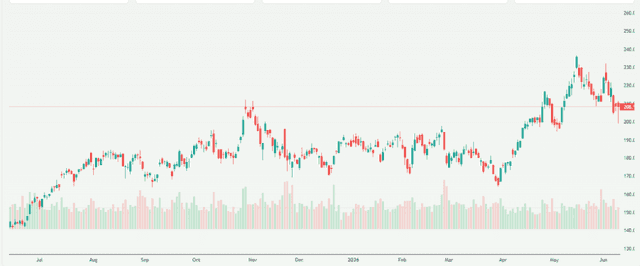
Reuters reported that NVIDIA, Broadcom, and Micron were among the biggest decliners before the market opened. Rising concerns about inflation, interest rates, and AI valuations weighed on sentiment. Recent volatility has increased after a strong rally that pushed semiconductor stocks to record highs.
AMD, Intel, and Micron Follow Lower
The weakness was not limited to NVIDIA. AMD fell 3.02%, Intel lost 2.13%, and Micron declined 1.41% in pre-market trading. Investors are becoming more cautious after months of aggressive buying in AI-related stocks. The broader semiconductor sector has experienced sharp swings as traders reassess future growth expectations and valuation levels.
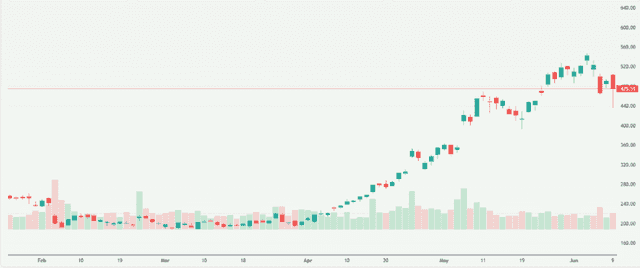
Why AI Chip Stocks Are Falling Today?
Inflation and Federal Reserve Concerns Return
One of the biggest drivers behind the selloff is inflation. Investors are closely watching the latest U.S. Consumer Price Index report released on June 10. Reuters noted that economists expected annual inflation to rise 4.2%, the highest level since April 2023. Higher inflation may force the Federal Reserve to keep interest rates elevated for longer. Growth stocks like NVIDIA and AMD typically face pressure when borrowing costs remain high.
Profit-Taking After Massive AI Rally
Many investors are also locking in profits. AI stocks generated exceptional returns over the past year. NVIDIA alone became one of the most valuable companies in the world thanks to the booming demand for AI infrastructure. After such gains, even strong companies can experience temporary pullbacks as traders secure profits.
Geopolitical Risks Add Pressure
Tensions between the United States and Iran have added another layer of uncertainty. Markets generally become more defensive during geopolitical conflicts. Investors often move money from growth sectors into safer assets until risks become clearer. This shift has increased pressure on semiconductor shares.
Broadcom’s Warning Continues to Impact Semiconductor Sentiment
AI Demand Questions Trigger Industry-Wide Selling
The current weakness started after Broadcom issued disappointing guidance that raised concerns about AI spending growth. Investors began questioning whether the sector’s rapid expansion can continue at the same pace. That triggered heavy selling across semiconductor stocks.
$1.3 Trillion Semiconductor Value Wiped Out
Reuters reported that approximately $1.3 trillion in semiconductor market value was erased during the recent correction. The PHLX Semiconductor Index recorded its worst one-day decline since 2020. NVIDIA, AMD, Micron, and several other AI leaders suffered steep losses. Despite the selloff, analysts still view AI infrastructure spending as a major long-term growth trend.
What Investors Should Watch Next for NVIDIA and AI Stocks?
Upcoming Earnings and AI Demand Signals
NVIDIA continues to post strong financial results. The company recently reported Q1 FY2027 revenue of $81.62 billion, up more than 85% year over year. Strong data-center demand remains the primary growth driver. Source: Meyka and company earnings data.
Key Market Catalysts This Week
Investors should monitor:
- Inflation data
- Federal Reserve commentary
- AI infrastructure spending trends
- Upcoming semiconductor earnings
These events could determine the sector’s short-term direction.
Long-Term AI Growth Narrative Remains Intact
According to Meyka, NVIDIA currently holds an “A” rating with a 12-month target near $244, while Wall Street’s average target approaches $304. Meyka’s technical analysis shows relatively neutral momentum, with RSI around 51, suggesting neither overbought nor oversold conditions.
The platform’s AI stock analysis tool highlights strong earnings growth but also warns about valuation risks. Supporting analyst data shows broad optimism, with most Wall Street firms maintaining Buy ratings on NVDA.
Conclusion
The latest decline in NVIDIA, AMD, Intel, and Micron reflects growing caution across the AI chip sector. Inflation concerns, profit-taking, and geopolitical tensions are driving short-term volatility.
However, strong earnings, expanding AI infrastructure demand, and positive analyst forecasts suggest the long-term growth story remains intact. Investors should watch upcoming economic data and company results closely for the next major market signal.
Disclaimer:
The content shared by Meyka AI PTY LTD is solely for research and informational purposes. Meyka is not a financial advisory service, and the information provided should not be considered investment or trading advice.
What brings you to Meyka?
Pick what interests you most and we will get you started.
I'm here to read news
Find more articles like this one
I'm here to research stocks
Ask Meyka Analyst about any stock
I'm here to track my Portfolio
Get daily updates and alerts (coming March 2026)