



Novo Nordisk (NYSE: NVO) Sues Eli Lilly (NYSE: LLY) Over Allegedly Misleading GLP-1 Drug Advertising

Key Points
Novo Nordisk sued Eli Lilly over alleged misleading GLP-1 drug advertising on 21 July 2026.
Novo claims Lilly compared outdated Wegovy data with higher-dose Zepbound results.
Lilly denies the allegations and says its marketing is backed by clinical evidence.
The lawsuit could affect the fast-growing GLP-1 market, investor sentiment, and future drug advertising.
On 21 July 2026, Novo Nordisk (NYSE: NVO) filed a lawsuit against Eli Lilly (NYSE: LLY), accusing its rival of misleading consumers through advertising that compares their blockbuster GLP-1 weight-loss drugs. The legal dispute comes as demand for obesity treatments keeps rising and competition between the two drugmakers becomes more intense.
The outcome could affect how these medicines are marketed, while also influencing patient choice and investor sentiment. Here’s why the case has drawn attention across the healthcare sector.
Why Is Novo Nordisk Suing Eli Lilly?
What are the Main Allegations?
Novo Nordisk filed its lawsuit in the U.S. District Court for the District of New Jersey on 21 July 2026. The company alleges that Eli Lilly used misleading advertising to promote its GLP-1 medicines, Zepbound and Mounjaro. According to Novo, the campaign compares Lilly’s highest approved doses with older, lower-dose versions of Wegovy and Ozempic.
Novo says those comparisons give consumers the impression that Lilly’s medicines produce significantly better weight-loss results than they actually do when compared fairly. The lawsuit claims the advertisements violate the Lanham Act and other U.S. false advertising laws. Novo also says it sent Lilly a cease-and-desist letter in April 2026, but the advertisements remained in circulation.
Why Is the Wegovy Dose Important?
Novo argues that Lilly’s advertising does not account for the FDA-approved 7.2 mg dose of Wegovy, which received approval in March 2026. Clinical trial results showed patients taking the higher dose lost an average of about 19% of their body weight, or roughly 47 pounds. Novo says leaving out those data makes the advertising comparisons incomplete and potentially misleading.
Eli Lilly’s Response and What Happens Next
How has Eli Lilly Responded?
Eli Lilly has denied Novo’s allegations and maintains that its advertising is supported by scientific evidence. The company points to data from the SURMOUNT-5 head-to-head clinical trial, saying the results support its claims about Zepbound’s effectiveness compared with competing GLP-1 treatments. Lilly has also said it intends to defend its advertising practices throughout the legal process.
What Does Novo Want From the Court?
Novo Nordisk is asking the court to:
- Order Lilly to remove the disputed advertisements.
- Require the company to publish corrective advertising.
- Award damages tied to profits allegedly earned from the campaign.
- Stop similar advertising while the case moves through court.
The lawsuit could take months before reaching a final decision. In the meantime, the court may consider whether to issue an injunction that could temporarily limit how Lilly promotes its GLP-1 medicines.
Why Does This Lawsuit Matter for the GLP-1 Market and Investors?
Why Does This Case Matter?
The case reflects the intense competition in the obesity treatment market. Demand for GLP-1 medicines continues to increase as more people seek treatments for obesity and type 2 diabetes.
Both Novo Nordisk and Eli Lilly are investing in injectable and oral GLP-1 therapies as they compete for market share. Industry analysts estimate the global obesity drug market could grow to around $100 billion in the coming years, making advertising claims and product positioning more closely watched than ever.
What Could It Mean for NVO and LLY Stock?
For investors, the lawsuit adds another factor to monitor. According to Meyka, NVO stock remains a long-term healthcare opportunity, although recent price action reflects stronger competition from Eli Lilly. Meyka’s technical analysis suggests investors should watch major support levels before looking for a sustained recovery.
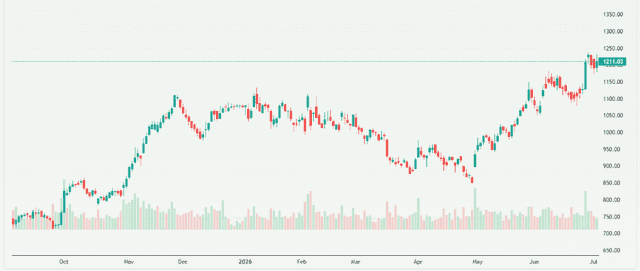
An AI stock analysis tool can also help investors monitor changes in market sentiment as the legal case develops. Most analysts do not expect the lawsuit to change long-term demand for GLP-1 medicines, but future court rulings could influence advertising strategies, competitive positioning, and investor confidence. Regulatory updates and upcoming earnings reports will also remain in focus.
Conclusion
Novo Nordisk’s lawsuit against Eli Lilly adds another chapter to the competition between the two biggest names in the GLP-1 market. The court will decide whether Lilly’s advertising crossed legal boundaries, but the case is already drawing attention from investors and the pharmaceutical industry.
As the proceedings continue, legal decisions, product launches, and clinical trial updates are likely to remain the main factors shaping both companies’ market positions and stock performance.
Disclaimer:
The content shared by Meyka AI PTY LTD is for research and informational purposes only. Meyka is not a financial advisory service, and the information provided should not be treated as investment or trading advice.
What brings you to Meyka?
Pick what interests you most and we will get you started.
I'm here to read news
Find more articles like this one
I'm here to research stocks
Ask Meyka Analyst about any stock
I'm here to track my Portfolio
Get daily updates and alerts (coming March 2026)