Mortgage Rates Today: 30-Year Fixed at 6.31%, 20-Year at 6.19%, 15-Year at 5.74% (June 16, 2026 Zillow Data)

Key Points
30-year fixed mortgage rate stands at 6.31% as of June 16, 2026.
15-year loans offer the lowest rate at 5.74%, helping reduce total interest costs.
Refinancing may benefit homeowners currently paying rates above 7%.
Most analysts expect mortgage rates to remain above 6% through the rest of 2026.
Mortgage rates remained relatively stable on June 16, 2026, giving homebuyers and homeowners a clearer picture of borrowing costs. Zillow data showed the average 30-year fixed mortgage rate at 6.31%, while 15-year and 20-year loans came in at 5.74% and 6.19%, respectively.
These rates are attracting attention as many buyers weigh affordability against rising home prices. Understanding what is driving mortgage rates today could help borrowers make smarter financing decisions in the months ahead.
June 16, 2026 Mortgage Rates Snapshot: What Borrowers are Paying Today?
Current Fixed Mortgage Rates
Mortgage rates remained relatively stable on June 16, 2026. According to Zillow data, the average 30-year fixed mortgage rate stood at 6.31%. The 20-year fixed rate was 6.19%, while the 15-year fixed rate came in at 5.74%.
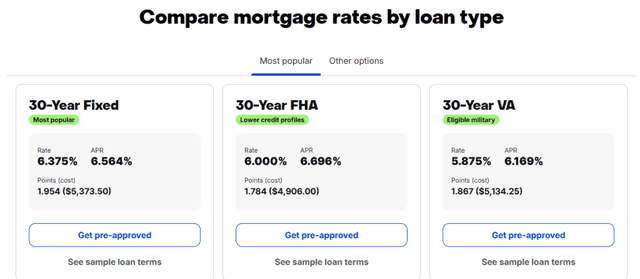
These rates are lower than many borrowers saw during parts of 2024 and early 2025, when 30-year rates often stayed above 7%. The recent decline has improved affordability for buyers and created new refinancing opportunities.
How These Rates Compare With Earlier 2026 Levels?
Mortgage rates briefly dipped below 6% earlier in 2026 before moving higher again. However, current levels remain well below recent peaks.
Key comparisons include:
- 30-year fixed rate: 6.31%
- 20-year fixed rate: 6.19%
- 15-year fixed rate: 5.74%
The 30-year rate is also roughly 42 basis points lower than one year ago, showing a gradual improvement in borrowing conditions.
Why are Mortgage Rates Moving in June 2026?
Federal Reserve Policy Remains the Biggest Driver
The Federal Reserve continues to influence mortgage markets. Investors widely expect policymakers to keep benchmark interest rates unchanged during the June 16-17 meeting.
Inflation remains above the Fed’s long-term target. As a result, officials have avoided aggressive rate cuts. This cautious approach has kept mortgage rates from falling significantly.
Treasury Yield Volatility
Mortgage rates closely follow movements in the 10-year U.S. Treasury yield. When Treasury yields rise, lenders often increase mortgage rates.
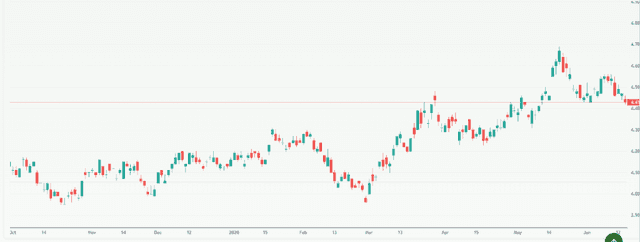
Recent inflation reports and mixed economic data have caused bond markets to fluctuate. Those swings continue to affect mortgage pricing across the country.
Global Economic Uncertainty
International events also play a role. Energy prices, inflation concerns, and geopolitical developments have influenced investor sentiment throughout 2026.
Recent market reactions to developments involving Iran and global oil supplies created additional volatility in bond markets, which directly impacts mortgage rates.
Monthly Payment Comparison: 30-Year vs. 20-Year vs. 15-Year Mortgage
Example on a $400,000 Home Loan
Borrowers should look beyond the interest rate and compare monthly payments.
| Loan Term | Rate | Approx. Monthly Payment |
| 30-Year Fixed | 6.31% | $2,480 |
| 20-Year Fixed | 6.19% | $2,920 |
| 15-Year Fixed | 5.74% | $3,320 |
These estimates cover principal and interest only.
Which Option Saves More Money?
The 30-year loan offers the lowest monthly payment. This makes it attractive for buyers focused on affordability.
The 15-year mortgage requires higher monthly payments but can save tens of thousands of dollars in interest over the life of the loan. Many borrowers use AI analysis tools and financial planning platforms to evaluate long-term wealth-building strategies, and mortgage term selection is often part of that analysis.
Is Now a Good Time to Buy a Home?
Why are Buyers Returning?
Several factors are helping bring buyers back into the market.
- Mortgage rates are lower than last year’s highs.
- More homes are available in many regions.
- Sellers are offering concessions and price reductions.
These trends have improved negotiating power for buyers.
Is Waiting for Lower Rates Worth the Risk?
No one can predict future mortgage rates with certainty. If rates fall, refinancing remains an option. However, waiting could mean paying higher home prices if housing demand increases again.
Many analysts believe rates will remain above 6% for most of 2026, making current levels relatively attractive for qualified buyers.
Refinance Opportunities for Existing Homeowners
Who Should Consider Refinancing?
Refinancing may benefit homeowners who:
- Currently have rates above 7%
- Want lower monthly payments
- Need to shorten their loan term
- Want to access home equity
Even a small reduction in interest rates can create meaningful savings over time.
How Much Could Borrowers Save?
Industry estimates show that reducing a mortgage rate by roughly half a percentage point can save tens of thousands of dollars over a 30-year loan term. Shopping around among multiple lenders remains one of the most effective ways to secure a better rate.
Mortgage Rate Outlook for the Rest of 2026
What are Analysts Predicting?
Most housing economists expect mortgage rates to remain above 6% through much of 2026. Forecasts from major industry groups generally place year-end 30-year mortgage rates between 6.2% and 6.5%.
Future declines will depend largely on inflation and Federal Reserve policy decisions.
Which Economic Reports Matter Most?
Borrowers should watch:
- Consumer Price Index (CPI)
- Employment reports
- Federal Reserve meetings
- Treasury yield movements
- Housing market data
These indicators often drive mortgage market trends and lender pricing decisions.
Conclusion
Mortgage rates on June 16, 2026, remain near some of the most favorable levels seen this year. With a 30-year fixed rate of 6.31%, buyers and homeowners have opportunities to secure financing before the next major market shift.
While inflation, Federal Reserve policy, and Treasury yields will continue to influence rates, current conditions offer a reasonable balance between affordability and long-term planning. For many borrowers, acting now may be more beneficial than waiting for uncertain future rate declines.
Disclaimer:
The content shared by Meyka AI PTY LTD is solely for research and informational purposes. Meyka is not a financial advisory service, and the information provided should not be considered investment or trading advice.
What brings you to Meyka?
Pick what interests you most and we will get you started.
I'm here to read news
Find more articles like this one
I'm here to research stocks
Ask Meyka Analyst about any stock
I'm here to track my Portfolio
Get daily updates and alerts (coming March 2026)