How the Fear Greed Index Impacts Stocks, Corporate Earnings, and Global Economic Cycles

The Fear greed Index is one of the most powerful tools to understand market behavior. It shows how emotions like fear and greed drive investor decisions. These emotions often move markets more than facts or data.
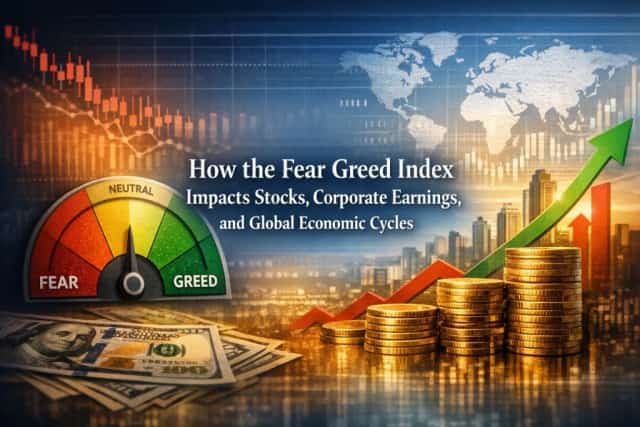
When investors feel fear, they sell quickly. When they feel greedy, they buy more. This simple idea shapes stock prices, business earnings, and even global economies. Learning how this works can help you make better decisions.
Understanding the Fear Greed Index
The Fear greed Index measures investor sentiment on a clear scale, ranging from extreme fear to extreme greed. This scale helps investors quickly understand whether the market is stable, uncertain, or overly optimistic.
It works as a simple guide to human behavior in the market. When fear dominates, investors become cautious and avoid risk. When greed takes over, they become confident and often take bigger risks. This emotional shift plays a major role in price movements.
How the Index Works
The Fear greed Index combines several market indicators to measure overall sentiment. Each indicator reflects how investors are reacting in real time.
These indicators include stock price trends, market volatility, demand for safer assets, and trading activity. By analyzing these factors together, the index provides a single score that shows the current mood of the market.
Each signal contributes to the final result. When most signals point toward risk, the index shows fear. When they show confidence, it moves toward greed. This makes it easier to understand market direction at a glance.
Key Signals Behind the Index
Before looking at each signal, it is important to understand that these are based on real investor actions, not opinions. They reflect what people are actually doing with their money.
- Stock price momentum shows whether markets are moving upward or downward over time
- Market volatility highlights uncertainty and sudden price swings
- Safe-haven demand shows how much investors prefer low-risk assets like bonds
- Trading volume reveals the strength behind buying or selling activity
- Options activity reflects expectations about future market direction
Together, these signals create a reliable view of overall investor emotion and market confidence.
How the Fear Greed Index Influences Stock Prices
The Fear greed Index has a strong impact on how stock prices move. It helps explain why markets sometimes react sharply even without major news.
In many cases, emotions drive short-term price changes more than company fundamentals. This is why understanding sentiment is so important.
Fear Drives Selling Pressure
When fear increases, investors focus on protecting their capital. They often sell stocks quickly to avoid further losses, even if the companies remain strong. This behavior creates a chain reaction in the market.
This leads to:
- Sharp price drops as selling increases rapidly
- Higher volatility due to uncertainty and panic
- Emotional decisions instead of logical analysis
Fear usually creates short-term market declines, but it can also open opportunities for long-term investors.
Greed Pushes Prices Higher
On the other side, greed drives strong buying activity. Investors aim to capture profits and often ignore potential risks. This creates upward momentum in the market.
This results in:
- Rapid price increases driven by strong demand
- Overvalued stocks as prices move above the true value
- Strong market trends fueled by optimism
While greed supports growth, it can also lead to market bubbles if not controlled.
Impact on Corporate Earnings and Business Performance
The Fear greed Index not only affects investors. It also influences how businesses perform and report earnings. Market sentiment often shapes consumer behavior and business decisions.
When Fear Slows Business Growth
During periods of fear, both consumers and companies become cautious. Spending decreases, and businesses delay expansion plans. This cautious behavior affects overall performance.
This can cause:
- Lower sales as consumers reduce spending
- Reduced investment in new projects
- Slower hiring due to uncertainty
As a result, corporate earnings may weaken, and growth slows down.
When Greed Boosts Expansion
In a greedy market environment, confidence grows. Businesses feel secure and invest more in growth and innovation.mThis creates positive momentum across industries.
This leads to:
- Higher sales driven by increased demand
- Business expansion into new markets
- Strong earnings growth and improved performance
However, excessive optimism can lead to poor financial decisions and long-term risks.
Role in Global Economic Cycles
The Fear greed Index reflects not just market trends but also broader economic cycles. It often aligns with key phases of the global economy.
Fear During Economic Downturns
During recessions or financial crises, fear becomes dominant. Investors shift their money into safer assets to protect their capital. This creates a defensive market environment.
This leads to:
- Declining stock markets due to heavy selling
- Reduced economic activity across industries
- Tighter financial conditions with limited spending
Fear is often a clear signal of economic slowdown or uncertainty.
Greed in Economic Expansion
When economies grow, investor confidence rises. Greed starts to drive investment decisions, leading to increased risk-taking. This supports overall growth.
This results in:
- Rising stock markets with strong momentum
- Higher investment levels across sectors
- Economic expansion and increased production
Greed often reflects strong economic conditions, but it should be monitored carefully.
Using the Fear Greed Index for Smart Investing
The Fear greed Index can be a powerful tool when used with discipline. It helps investors spot opportunities and manage risks effectively.
Buying During Fear
Experienced investors often look for opportunities when fear is high. Lower prices can offer better long-term value.
This approach requires patience and confidence.
Key benefits:
- Discounted stock prices during market dips
- Higher long-term returns when markets recover
- Less competition from other investors
Buying during fear can be rewarding if supported by strong research.
Selling During Greed
When greed reaches extreme levels, markets may become overvalued. This is often a good time to secure profits. Taking action at the right time helps protect gains.
Key advantages:
- Locking in profits before corrections
- Avoiding sudden market drops
- Reducing overall portfolio risk
Success comes from discipline and not following emotions blindly.
Common Mistakes Investors Make
Even with the Fear greed Index, many investors make mistakes. Understanding these errors can help avoid losses.
Following the Crowd
Many investors react emotionally instead of logically. Their decisions mirror the market, buying and selling alongside everyone else.
This leads to:
- Buying at high prices
- Selling at low prices
- Poor long-term returns
Ignoring Market Signals
Some investors ignore sentiment indicators. They rely only on basic analysis.
This can cause:
- Missed opportunities
- Poor timing
- Increased risk
A balanced approach works best.
Practical Strategies to Use the Fear Greed Index
Using the Fear greed Index effectively requires a clear strategy. It should not be used alone.
Combine with Other Analysis
The ideal working of the index is when combined with other tools. This creates a stronger investment approach.
- Use financial data to confirm trends
- Study company earnings reports
- Analyze long-term market patterns
This reduces risk and improves accuracy.
Stay Consistent and Patient
Consistency is key in investing. The index helps guide decisions, but results take time.
- Avoid emotional reactions
- Stick to your strategy
- Review performance regularly
Patience leads to better outcomes.
Benefits of Tracking Market Sentiment
Tracking sentiment through the Fear greed Index offers many advantages. It gives a deeper understanding of market behavior.
Why It Matters for Investors
Market sentiment often moves faster than fundamentals. Knowing how people feel helps predict trends.
- Helps identify market turning points
- Improves decision-making
- Reduces emotional investing
How It Improves Long-Term Results
Using sentiment data helps investors stay ahead. It supports smarter planning.
- Better entry and exit timing
- Stronger risk management
- Improved portfolio performance
Risks and Limitations of the Fear Greed Index
The Fear greed Index is useful, but it is not perfect. It has limitations that investors should understand.
Short-Term Focus
The index reflects current sentiment. It may not predict long-term trends.
- Can give false signals
- May change quickly
- Needs confirmation from other data
Emotional Bias Still Exists
Even with the index, emotions can affect decisions. Investors may still react too quickly.
- Overconfidence during greed
- Panic during fear
- Poor decision-making
Awareness helps reduce these risks.
Summary Table: Fear Greed Index Impact Overview
| Area | Fear Phase | Greed Phase |
|---|---|---|
| Stock Prices | Falling, unstable | Rising, strong |
| Investor Behavior | Selling, cautious | Buying, aggressive |
| Corporate Earnings | Weak growth | Strong growth |
| Economic Activity | Slow or declining | Expanding |
| Risk Level | Lower risk-taking | Higher risk-taking |
Key Takeaways for Investors
Understanding the Fear greed Index gives you a strong advantage. It helps you see what others miss.
- Markets are driven by emotion as much as data
- Fear creates buying opportunities
- Greed signals caution
- Balanced strategies work best
Final Thoughts
The Fear greed Index offers a clear window into how markets really behave. It shows the emotional side of investing that many people ignore. By understanding it, you can make smarter and calmer decisions.
In the end, success comes from discipline, not emotion. Use the index as a guide, not a rule. Stay focused, think long term, and let logic lead your actions.
Disclaimer:
The content shared by Meyka AI PTY LTD is solely for research and informational purposes. Meyka is not a financial advisory service, and the information provided should not be considered investment or trading advice.
What brings you to Meyka?
Pick what interests you most and we will get you started.
I'm here to read news
Find more articles like this one
I'm here to research stocks
Ask Meyka Analyst about any stock
I'm here to track my Portfolio
Get daily updates and alerts (coming March 2026)