
Key Points
Gold falls 0.6% spot and 1.2% in futures despite rising Iran tensions
Oil surges 5-7% on fears of supply disruption in the Strait of Hormuz
Strong US dollar and higher yields pressure gold prices
Markets shift focus from safe-haven gold to inflation-driven energy trade
Gold markets turned lower in April 2026 as global tensions rose again. On April 19-20, spot gold slipped about 0.6%, while futures dropped nearly 1.2% in early trading sessions. At the same time, crude oil prices moved sharply higher, reacting to renewed geopolitical worries linked to Iran and supply risks in key shipping routes. Investors were caught between two forces: fear of conflict and pressure from a stronger US dollar.
Normally, gold’s price rises in uncertain times, but this week showed a different pattern. Traders shifted attention toward energy markets as oil became the main focus of inflation concerns. These sudden moves highlight how quickly global commodities can change direction when politics and economics collide. The big question now is whether gold’s performance can recover or if oil will continue to dominate market sentiment.
Why did gold fall despite rising geopolitical tensions?
This Commodity usually gains when global uncertainty rises. But this time, the reaction was different. On April 20, 2026, spot gold slipped around 0.6% to $4,802 per ounce, while futures dropped about 1.2% to $4,822 per ounce.
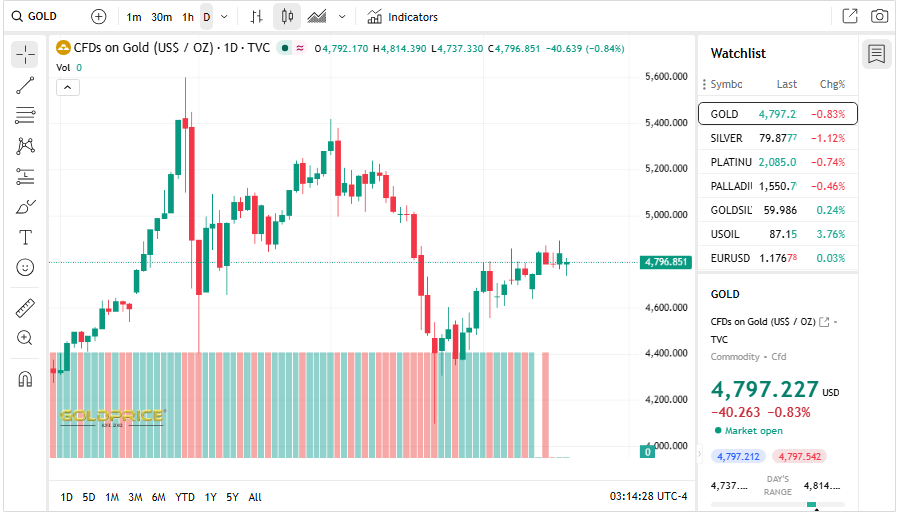
The main reason is the strength of the US dollar and rising bond yields. These reduce demand for non-yielding assets like gold. At the same time, oil prices jumped nearly 5-7%, which increased inflation fears and changed investor focus toward energy markets instead of gold.
So even with Iran tensions rising, investors did not fully shift to gold. Instead, they moved toward liquidity and energy-linked assets. This shows a key market truth: gold does not always rise during conflict. Macro factors like interest rates and currency strength can matter more in the short term.
How are Iran tensions shaping global commodity markets?
Renewed US-Iran tensions have increased market volatility across commodities. The biggest concern is the Strait of Hormuz, which handles nearly 20% of global oil trade.
Recent reports show:
- Shipping disruptions and tighter naval controls
- Temporary closure threats in key routes
- Breakdown in ceasefire confidence
These events pushed crude oil prices sharply higher. Brent crude rose around 5-6% to near $95-$96 per barrel, while WTI also surged strongly.
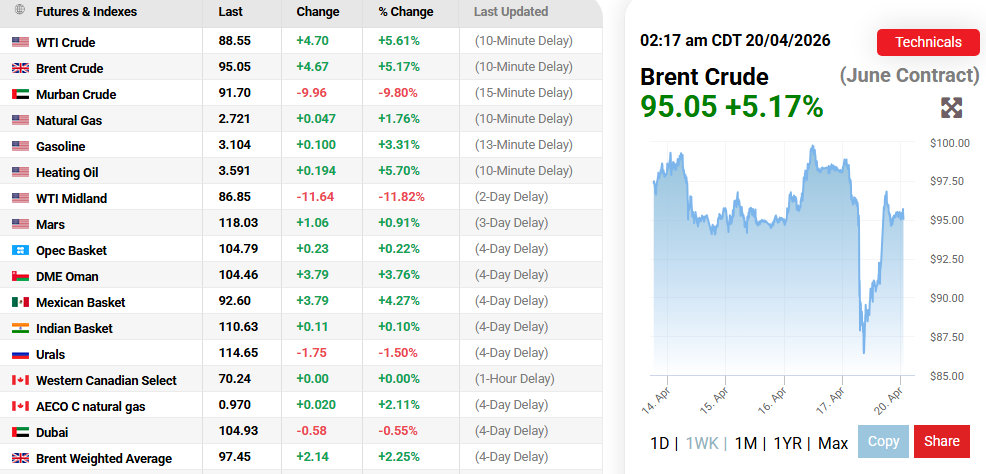
Oil markets reacted faster than gold because supply disruption directly affects global energy flow. Traders are now pricing in inflation risks linked to fuel costs. This is why oil has become the dominant “risk barometer” in 2026, overtaking gold in short-term reactions.
Why is oil rising while gold is under pressure?
The opposite movement in gold and oil comes down to inflation expectations. When oil rises sharply:
- Transportation and production costs increase
- Inflation expectations go up
- Central banks may keep interest rates higher
Higher interest rates make gold less attractive because it does not generate yield. This is one of the key reasons gold stayed weak even during geopolitical stress.
Oil, on the other hand, benefits directly from supply fears. The latest surge of around 6-7% in oil prices came after renewed conflict risks and shipping uncertainty in the Middle East.
So investors are not ignoring risk. They are simply reacting differently:
- Oil = direct supply shock hedge
- Gold = affected by rates + dollar strength
This divergence shows how modern markets respond to overlapping macro forces, not just fear alone.
What are markets saying about inflation and interest rates?
Markets are now focused on inflation pressure from energy prices. Rising oil prices often lead to higher consumer costs globally.
This has two major effects:
- Bond yields move higher
- Expectations of rate cuts weaken
Higher yields increase the opportunity cost of holding gold. That is why gold struggled even when geopolitical risk increased.
At the same time, the US dollar strengthened due to higher yields. A stronger dollar makes gold more expensive for global buyers, reducing demand further.
An AI stock analysis tool like Meyka.com shows similar patterns in commodity-linked equities. Energy stocks tend to gain momentum during such shocks, while gold miners often face short-term pressure due to margin sensitivity and pricing lag.
Analyst sentiment also suggests that inflation-linked commodities may remain dominant until geopolitical risks stabilize.
Safe Haven Asset: What should investors watch next?
The next direction of gold and oil depends on three key factors:
- US-Iran negotiations: Any peace progress could reduce oil premiums quickly.
- Dollar and bond yields: If yields fall, gold may recover.
- Oil supply stability: Strait of Hormuz developments remain critical.
If tensions escalate further, oil may continue to outperform. If diplomacy improves, gold could regain safe-haven demand.
For now, markets remain highly reactive. Every headline is moving prices in real time, making short-term forecasting difficult.
Technical snapshot of gold and oil
Recent technical signals show mixed momentum.
Gold:
- Trading near $4,800-$4,820 support zone
- Short-term resistance near recent highs above $4,900
- Momentum weakening due to strong dollar pressure
Oil:
- Strong breakout momentum after geopolitical spike
- Holding above key resistance near $90 (WTI zone equivalent)
- Volatility remains high due to supply fears
Meyka.com analysis indicates that energy assets are currently in a stronger trend phase compared to precious metals. Other analysts also note that oil volatility may stay elevated until geopolitical clarity improves.
Final Words
Gold’s decline alongside rising oil prices shows a shift in global market behavior. Geopolitical risk alone is no longer enough to support gold. Instead, interest rates, dollar strength, and energy-driven inflation now dominate sentiment. Oil remains the key beneficiary of Iran tensions, while gold waits for macro conditions to turn favorable again. Markets are likely to stay volatile until political stability returns.
Disclaimer:
The content shared by Meyka AI PTY LTD is solely for research and informational purposes. Meyka is not a financial advisory service, and the information provided should not be considered investment or trading advice.
What brings you to Meyka?
Pick what interests you most and we will get you started.
I'm here to read news
Find more articles like this one
I'm here to research stocks
Ask Meyka Analyst about any stock
I'm here to track my Portfolio
Get daily updates and alerts (coming March 2026)