
Key Points
FTSE 100 slips for sixth straight session amid rising Middle East tensions.
Iran's blockade of the Strait of Hormuz pushes oil above $110 per barrel.
Trump’s hardline stance increases fears of prolonged global market instability.
Investors shift to safe assets as inflation and growth concerns rise.
The FTSE 100 slipped again on May 1, 2026, as rising tensions in the Middle East unsettled global investors. Concerns grew after Iran’s blockade in the Strait of Hormuz continued to disrupt oil shipping routes, pushing Brent crude above $110 a barrel. At the same time, Donald Trump’s tougher stance on Iran added fresh uncertainty to financial markets. Investors quickly moved toward safer assets, while banking, travel, and consumer stocks faced renewed pressure across London trading.
Why the FTSE 100 Is Falling Again?
The FTSE 100 continued to slide this week as investors reacted to growing tensions around Iran and the Strait of Hormuz crisis. On April 27, 2026, the index closed 0.6% lower at 10,321 points. That marked its sixth straight day of losses, the longest losing streak in more than a year.
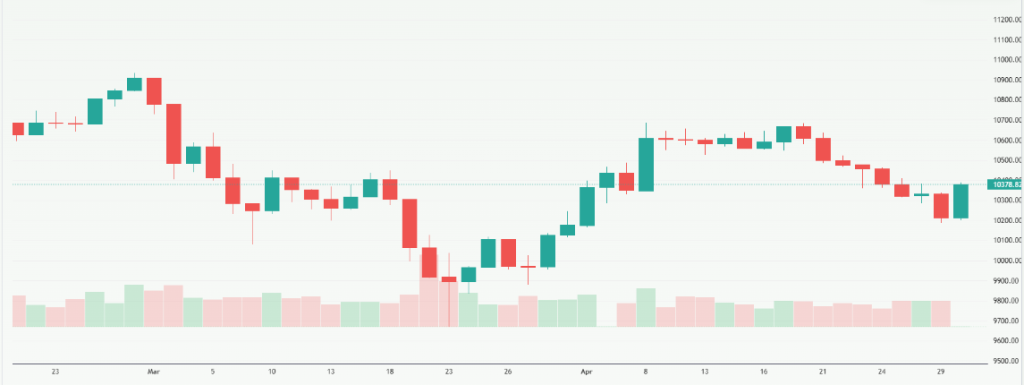
Markets turned cautious after reports suggested that Donald Trump rejected Iran’s latest proposal to reopen the Strait of Hormuz. Investors feared the blockade could continue for months, keeping oil prices high and adding pressure on the global economy.
Six Straight Sessions of Losses Shake Investor Confidence
The FTSE 100 has struggled as traders move away from risky assets. Several sectors posted sharp declines, including:
- Banking stocks
- Airlines and travel firms
- Consumer goods companies
- Retail businesses
NatWest became one of the biggest fallers after analysts warned about weaker profit expectations linked to slower economic growth.
The pressure did not remain limited to London. Germany’s DAX and France’s CAC 40 also slipped as investors worried about rising fuel costs and weak consumer demand.
Why are Investors Turning Defensive?
Global investors are now focusing on safer investments because geopolitical risks remain high. Money flowed into:
- Gold
- US Treasury bonds
- Defensive healthcare stocks
- Utility companies
At the same time, volatility increased across European stock markets. Traders fear that prolonged disruption in oil supplies could push inflation higher again. That could delay expected interest rate cuts from central banks later this year.
Iran Blockade and the Strait of Hormuz Crisis Explained
The Strait of Hormuz remains one of the world’s most important oil shipping routes. Around one-fifth of the global oil supply passes through the narrow waterway every day. Any disruption there quickly affects energy prices and investor confidence worldwide.
The current crisis started after US-Iran peace talks collapsed in April 2026. Soon after, the United States imposed a naval blockade targeting Iranian ports, while Iran tightened restrictions in the Strait of Hormuz.
Why Does the Strait of Hormuz Matter So Much?
The Strait of Hormuz connects Gulf oil producers with global markets. Countries across Europe and Asia depend heavily on oil shipments moving through the route.
When shipping slows:
- Oil prices rise quickly
- Insurance costs increase
- Supply chains face delays
- Inflation fears return
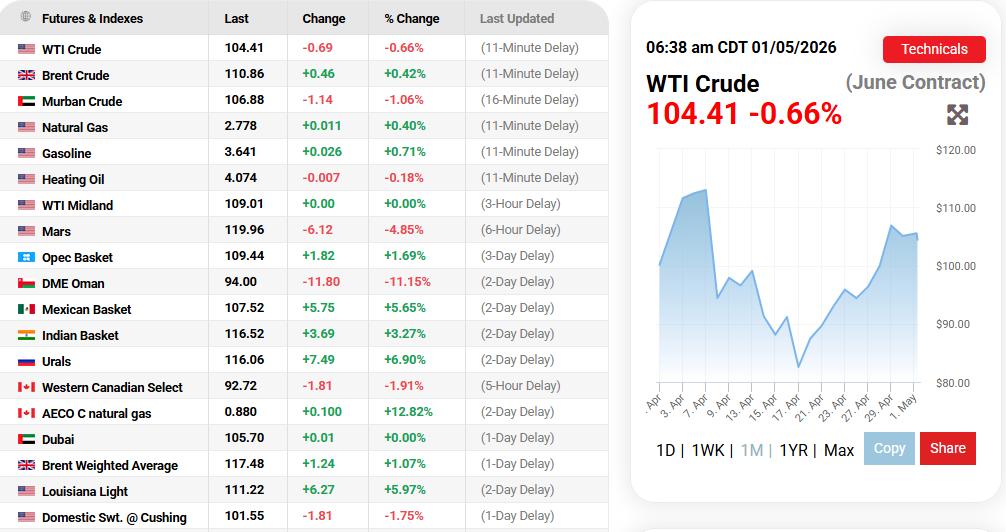
Brent crude surged above $110 per barrel this week after fears grew that the blockade would continue. Earlier in the crisis, prices briefly crossed $126 per barrel.
Shipping companies are also facing higher security risks. Reports show many vessels have avoided the area due to fears of attacks, mines, and military action.
How Has Trump’s Tougher Stance Increased Market Anxiety?
Donald Trump has repeatedly defended the blockade and signaled that pressure on Iran could continue.
On April 29, Trump described the blockade as “100% foolproof” and suggested it was more effective than direct military action.
He also rejected Iran’s proposal to reopen the Strait of Hormuz while delaying nuclear negotiations. That decision weakened hopes for a quick diplomatic breakthrough.
Analysts now fear:
- Prolonged oil supply disruption
- Higher global inflation
- Slower economic growth
- Increased military escalation risks
Trump also warned that Iran’s oil infrastructure could suffer severe damage if exports remain blocked.
Which FTSE 100 Sectors are Under the Most Pressure?
Not every sector reacted the same way. Some industries faced stronger selling pressure as investors adjusted to rising energy costs and weaker growth expectations.
Travel and Consumer Stocks Face Fresh Selling
Travel companies were among the worst performers because higher oil prices raise airline fuel costs. Investors also worry that consumers may reduce travel spending if inflation rises again. Retail and consumer stocks also weakened as markets priced in lower household spending power.
Why are Banking Stocks Falling?
Banking shares struggled because investors fear that slower economic growth could hurt lending activity and increase loan risks.
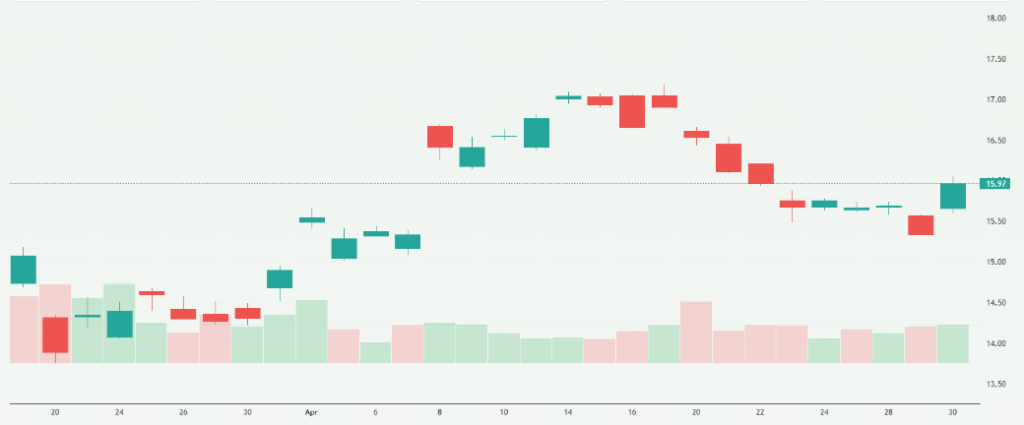
NatWest shares dropped sharply after the bank warned about the economic impact of rising geopolitical tensions and weaker forecasts. Markets also fear that prolonged instability could reduce business investment across Europe.
Can Energy Stocks Save the FTSE 100?
Oil giants initially benefited from higher crude prices. Companies linked to oil production received support as Brent crude climbed.
However, gains in energy shares were not strong enough to offset losses across the broader market. Investors remain worried that extremely high oil prices could eventually weaken global demand and hurt long-term growth.
Oil Prices, Inflation, and Central Bank Concerns
Oil prices have become the biggest market concern during the Iran blockade crisis. Brent crude traded near $111 per barrel on May 1, 2026. That is far above the levels seen earlier this year.
How Could Higher Oil Prices Affect Consumers?
Rising crude prices usually increase:
- Petrol and diesel prices
- Airfare costs
- Food transportation expenses
- Manufacturing costs
UK manufacturers are already reporting rising input costs linked to energy and supply chain disruptions. According to recent PMI data, factory costs are nearing levels last seen in 1992. Higher fuel costs could also reduce consumer spending during the second half of 2026.
Could the Bank of England Delay Interest Rate Cuts?
Many investors expected central banks to cut rates later this year. However, renewed inflation fears may change those expectations.
If oil prices remain elevated:
- Inflation may stay above targets
- Borrowing costs could remain high
- Economic growth could slow further
That is why investors are closely watching upcoming meetings from:
- The Bank of England
- The US Federal Reserve
- The European Central Bank
Analysts believe policymakers may now take a more cautious approach toward easing monetary policy.
Global Market Reaction Beyond the UK
The FTSE 100 is not the only market under pressure. Wall Street indexes also turned volatile as investors weighed rising oil prices against slowing economic growth. European markets posted similar declines during the week.
Which Assets are Rising During the Crisis?
While stocks weakened, some assets gained sharply. These included:
- Gold
- Oil futures
- Defensive currencies
- Government bonds
Investors usually move toward safer assets during geopolitical crises. Gold prices strengthened as traders searched for protection against market uncertainty.
Oil markets also stayed highly volatile because traders remain unsure how long the blockade will continue.
What Investors Should Watch Next?
Markets are likely to remain sensitive to every headline related to Iran and the Strait of Hormuz. Key developments to watch include:
- Any diplomatic breakthrough between the US and Iran
- Possible reopening of the Strait of Hormuz
- New sanctions or military action
- Oil inventory data
- Central bank policy meetings
- Earnings from major FTSE 100 companies
Investors are also watching whether crude prices remain above $110. Prolonged high oil prices could increase recession fears across Europe and the United States.
Analysts believe volatility may continue throughout May 2026 unless there is clear progress on diplomacy and energy supply stability.
Conclusion
The FTSE 100 remains under pressure as geopolitical tensions around Iran and the Strait of Hormuz keep markets unstable. Rising oil prices and Trump’s hardline stance have increased fears of prolonged inflation and slower global growth. Investors are staying cautious, shifting toward safer assets while waiting for clearer signals on diplomacy and energy stability. Until tensions ease, volatility in global stock markets is likely to continue.
Disclaimer:
The content shared by Meyka AI PTY LTD is solely for research and informational purposes. Meyka is not a financial advisory service, and the information provided should not be considered investment or trading advice.
What brings you to Meyka?
Pick what interests you most and we will get you started.
I'm here to read news
Find more articles like this one
I'm here to research stocks
Ask Meyka Analyst about any stock
I'm here to track my Portfolio
Get daily updates and alerts (coming March 2026)