




Key Points
FTSE 100 gained 0.22% on July 28, 2026, as investors bought stocks after the global chip sell-off.
Strong corporate earnings from consumer companies helped offset weakness in technology and banking shares.
Middle East tensions continued to keep investors cautious despite the market rebound.
Upcoming earnings, oil prices, and central bank signals remain key factors that could drive the FTSE 100's next move.
On July 28, 2026, the FTSE 100 advanced 0.22%, bouncing back after a sharp global sell-off in semiconductor stocks unsettled investors earlier in the week. Strong corporate earnings and bargain buying helped support the UK’s benchmark index, while tensions in the Middle East continued to keep traders cautious. Investors are weighing encouraging company results against geopolitical uncertainty as they look for direction in the next few trading sessions.
FTSE 100 Gains as Investors Shake Off Global Chip Sell-Off
Market Snapshot
The FTSE 100 closed 0.22% higher on July 28, 2026, recovering from the pressure created by the recent decline in global technology stocks. Investors shifted back toward defensive sectors, encouraged by a fresh round of corporate earnings that exceeded expectations. Germany’s DAX and France’s CAC 40 also moved higher, suggesting European markets remained steady despite continued weakness in semiconductor shares.
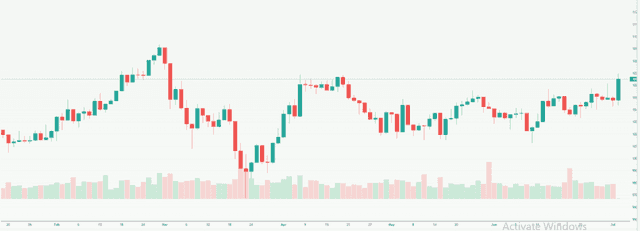
Why Did Markets Rebound?
Investors paid more attention to company earnings than the wider technology sell-off. Consumer goods companies delivered solid quarterly results, attracting buyers who saw recent declines as a buying opportunity.
There was also growing confidence that the correction in semiconductor stocks would not spread across the entire market. Even so, traders stayed cautious. Geopolitical tensions and uncertainty around interest rates are still shaping market sentiment. Strong earnings from several large European companies helped offset weakness in banking and technology shares.
Biggest FTSE 100 Winners and Losers Today
Which Stocks Led the Gains?
Consumer-focused companies were among the strongest performers.
- Unilever climbed after reporting better-than-expected quarterly sales.
- Man Group moved higher as investors responded positively to its latest financial results.
- Other defensive consumer stocks also gained as investors looked for companies with stable earnings during a volatile trading session.
Which Stocks Remained Under Pressure?
The recovery was not broad enough to lift every sector.
- Barclays slipped even after posting solid profits, as investors focused on higher loan impairment costs.
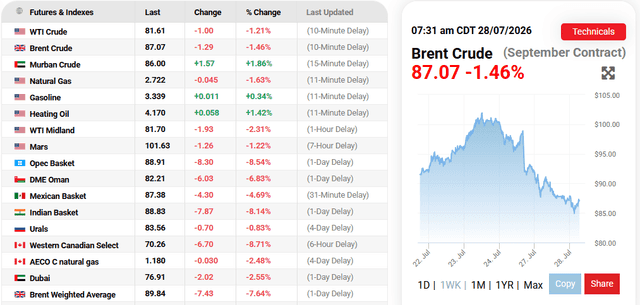
- Energy stocks weakened as oil prices eased.
- Technology-related shares remained under pressure because of the global semiconductor sell-off.
The mixed performance suggests investors are rewarding companies with strong earnings while remaining cautious about sectors exposed to economic uncertainty and geopolitical risks.
Global Factors Driving UK Markets
Why are Semiconductor Stocks Still Affecting Global Markets?
Technology stocks continue to influence investor sentiment worldwide. Reports that China has made progress in domestic chipmaking equipment triggered another round of selling across semiconductor companies. Shares of Nvidia, AMD, Samsung Electronics, and SK Hynix all declined, dragging Asian markets lower and weighing on global risk appetite.
The FTSE 100 has relatively limited exposure to semiconductor companies, but it is still affected by changes in global investor sentiment as fund managers adjust portfolios across international markets.
How are Middle East Risks Influencing Investors?
Developments in the Middle East remain firmly on investors’ radar. Traders continue to monitor Iran and the wider region because any escalation could quickly affect oil prices and inflation.
Lower crude prices recently provided some support for parts of the market, but uncertainty has encouraged investors to favor defensive stocks over higher-risk growth companies. Markets are also watching upcoming central bank meetings, with interest rate expectations closely tied to inflation and energy costs.
FTSE 100: What Investors Should Watch Next?
The next few trading sessions may determine whether the FTSE 100 can build on its recent gains. Investors will be watching earnings from major global technology companies, fresh results from UK-listed firms, and any developments in the Middle East. Oil prices and central bank guidance will also remain in focus.
For investors following individual stocks, combining market news with technical indicators can provide a clearer picture of market conditions. An AI stock analysis tool such as Meyka can help track technical signals, analyst forecasts, and broader market trends alongside company fundamentals. Most analysts expect market volatility to remain elevated until concerns around geopolitics and the technology sector begin to ease.
Conclusion
The FTSE 100 recovered from the recent chip-led sell-off with support from strong corporate earnings and renewed buying in defensive stocks. Even so, semiconductor weakness, geopolitical tensions, and uncertainty over interest rates continue to weigh on sentiment. Investors will be looking closely at earnings, economic data, and developments in global markets to see whether the latest recovery has enough momentum to continue.
Disclaimer:
The content shared by Meyka AI PTY LTD is for research and informational purposes only. Meyka is not a financial advisory service, and the information provided should not be treated as investment or trading advice.
What brings you to Meyka?
Pick what interests you most and we will get you started.
I'm here to read news
Find more articles like this one
I'm here to research stocks
Ask Meyka Analyst about any stock
I'm here to track my Portfolio
Get daily updates and alerts (coming March 2026)