FTSE 100 Gains 0.07% as Rising Oil Prices Offset Geopolitical Risk Across European Markets

Key Points
FTSE 100 rose 0.07% despite rising geopolitical tensions.
Higher oil prices boosted BP and Shell, supporting the index.
European markets traded mixed as investors shifted to defensive sectors.
Oil prices and upcoming economic data remain key market drivers.
On July 13, 2026, the FTSE 100 closed 0.07% higher, holding up despite rising tensions in the Middle East that weighed on investor sentiment across global markets. Higher oil prices gave the index enough support as heavyweight energy stocks advanced, offsetting declines in several other sectors. While most European markets remained under pressure, the UK’s benchmark index managed to stay in positive territory. What pushed the FTSE 100 higher, and what should investors keep an eye on next?
Why Did the FTSE 100 Rise Despite Global Market Anxiety?
Energy Stocks Offset Losses Across the Market
The FTSE 100 ended the session 0.07% higher on July 13, 2026, even as geopolitical concerns kept investors on edge. Much of the support came from the energy sector. Shares of BP and Shell moved higher after crude oil prices climbed on concerns about possible supply disruptions in the Middle East. Since both companies make up a significant portion of the FTSE 100, their gains helped balance weakness in other parts of the market.
Why Were Investors Still Cautious?
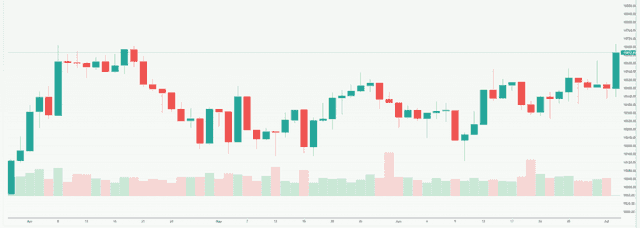
Growing concerns over the Strait of Hormuz continued to weigh on financial markets. Brent crude traded close to $80 a barrel, while WTI moved above $74. As uncertainty increased, investors shifted toward defensive sectors and trimmed exposure to travel, technology, and other industries that tend to struggle when fuel costs rise and economic growth slows.
European Markets Show Mixed Performance as Oil Prices Climb
How Did Other European Markets Perform?
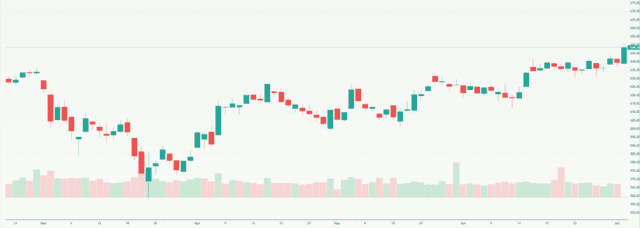
European markets delivered mixed results as traders weighed stronger oil prices against geopolitical uncertainty. The STOXX Europe 600 slipped about 0.2%, while Germany’s DAX and France’s CAC 40 posted only modest moves. Although energy stocks benefited from higher crude prices, investors also became more concerned that rising oil could push inflation higher and delay interest rate cuts.
Which Sectors Won and Which Lost?
Energy companies led the gains as investors expected stronger earnings from higher crude prices.
Several sectors moved lower:
- Airlines came under pressure because of higher fuel costs.
- Travel companies weakened alongside broader market caution.
- Technology stocks slipped as investors reduced exposure to riskier assets.
Lufthansa and other European airline stocks remained under pressure because more expensive jet fuel can squeeze profit margins. The move showed investors were favouring defensive sectors while reducing exposure to growth-focused companies.
Oil Prices Become the Biggest Driver of Today’s UK Market
Why Did Higher Oil Prices Support the FTSE 100?
The FTSE 100 has significant exposure to global energy companies. When crude prices move higher, companies such as BP and Shell often benefit from stronger earnings expectations. That strength can help the index outperform many of its European peers during periods of rising oil prices. On July 13, Brent crude gained nearly 5% as concerns over possible supply disruptions around the Strait of Hormuz intensified.
Higher oil prices also added to inflation concerns, leading investors to reassess expectations for future interest rate cuts by major central banks. Many traders are also using an AI stock analysis tool to track how changes in crude prices could affect different sectors and overall portfolio risk.
What Investors Should Watch Next?
Investors will be watching several developments over the coming days:
- UK and US inflation reports.
- Second-quarter corporate earnings.
- Federal Reserve policy updates.
- Further developments in the Middle East.
- Oil price movements.
These events will shape whether the FTSE 100 can extend its gains or come under fresh selling pressure. Continued strength in energy stocks may offer support, but any further escalation in geopolitical tensions could keep market sentiment cautious.
FTSE 100 Outlook: Technical View and Analyst Perspective
FTSE 100 technical analysis: The index continues to find support from heavyweight energy stocks, but short-term momentum still depends heavily on oil prices and geopolitical developments. A sustained move above recent highs will likely require broader buying across sectors rather than continued reliance on BP and Shell.
What Meyka says: Short-term sentiment remains cautiously bullish while oil prices stay elevated, although traders should expect volatility if geopolitical risks increase.
Other analysts: Reuters and other market analysts also attribute the FTSE 100’s resilience largely to gains in energy stocks following the latest jump in crude prices.
Conclusion
The FTSE 100 posted a modest gain, supported mainly by strength in the energy sector rather than broad buying across the market. Higher oil prices lifted BP and Shell enough to offset weakness in other sectors as geopolitical tensions remained in focus. Inflation data, corporate earnings, oil prices, and developments in the Middle East are likely to drive the index over the next few trading sessions.
Disclaimer:
The content shared by Meyka AI PTY LTD is solely for research and informational purposes. Meyka is not a financial advisory service, and the information provided should not be considered investment or trading advice.
What brings you to Meyka?
Pick what interests you most and we will get you started.
I'm here to read news
Find more articles like this one
I'm here to research stocks
Ask Meyka Analyst about any stock
I'm here to track my Portfolio
Get daily updates and alerts (coming March 2026)