
Key Points
UK retail sales rose 1.2% in May 2026, beating market forecasts.
The FTSE 100 slipped as investors focused on inflation and global risks.
Annual retail sales growth reached 3.2%, signaling resilient consumer spending.
Strong retail data boosted economic optimism, but consumer confidence remained weak.
UK retail sales surprised economists in May 2026, rising 1.2% from the previous month and beating market expectations. The stronger-than-expected consumer spending data offered a positive signal for the UK economy. Yet, the FTSE 100 moved lower as investors weighed broader concerns, including inflation pressures and global uncertainty.
This unusual market reaction raises an important question: why are strong retail figures failing to lift investor confidence, and what does it mean for the UK outlook ahead?
FTSE 100 Falls Despite Positive Economic Data
Why the Index Moved Lower?
The FTSE 100 traded slightly lower on June 19, 2026, even after the UK released stronger-than-expected retail sales data. Investors welcomed the consumer spending rebound, but broader concerns continued to dominate market sentiment.
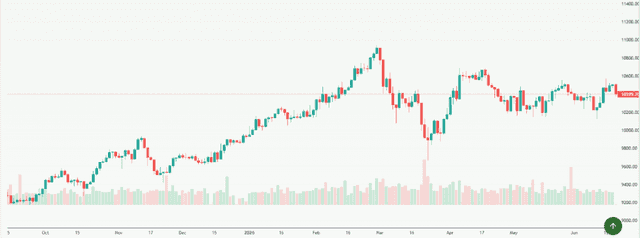
Several factors weighed on the London stock market:
- Rising geopolitical tensions in the Middle East
- Higher energy prices
- Concerns about inflation remaining sticky
- Growing pressure on UK public finances
The UK government also reported May borrowing of £23.3 billion, well above forecasts. That added another layer of caution for investors. Sources: Reuters, UK Treasury data.
Key Market Sectors Under Pressure
Many FTSE 100 companies generate a large share of their revenue overseas. As a result, domestic economic data does not always drive market performance.
Financial stocks faced pressure from uncertainty around interest rates. Consumer-facing businesses received support from retail sales growth, but investors remained cautious about future demand. Defensive sectors attracted more attention as traders looked for stability amid global uncertainty.
UK Retail Sales Deliver a Major Upside Surprise
Breakdown of the May 2026 Retail Sales Report
The latest data from the Office for National Statistics showed a sharp improvement in UK retail activity during May 2026.
Key figures included:
- Retail sales volumes rose 1.2% month-over-month.
- Economists had expected only a 0.5% increase.
- April sales had fallen by 1.0%.
- Annual retail sales growth reached 3.2%.
- Retail sales excluding fuel climbed 4.6% year-over-year.
The figures suggest UK consumers remain willing to spend despite ongoing economic challenges.
What Drove the Spending Increase?
Several factors supported consumer spending in May. Warmer weather encouraged shoppers to buy seasonal products. Half-term holidays increased foot traffic in stores and shopping districts. Retailers also launched aggressive promotions to attract budget-conscious consumers.
Clothing stores, online retailers, and sellers of outdoor products recorded particularly strong demand. Industry data also showed total retail sales rising 3.7% compared with May 2025. Online non-food sales jumped 10.6%, highlighting the continued strength of e-commerce.
Retail Strength vs Consumer Caution: A Growing Contradiction
Shoppers are Spending, But Carefully
The retail rebound does not mean consumers are fully confident. Many households continue to manage spending carefully due to higher living costs. Retailers reported that discounts and promotions played a major role in driving purchases. Consumers are still looking for value before making buying decisions.
Confidence Indicators Tell a Different Story
Recent confidence surveys paint a less optimistic picture. Consumer confidence remained weak in June 2026. Younger consumers showed increasing concern about their financial future. Willingness to make major purchases fell to its lowest level since January 2025. This creates a disconnect between actual spending and overall sentiment.
Why Investors Remain Skeptical?
Investors understand that one strong month does not create a long-term trend. Higher energy costs, geopolitical risks, and inflation concerns could still reduce consumer spending later in the year. Retail growth may also have benefited from temporary weather-related factors rather than a lasting economic improvement.
Winners and Losers From the Retail Sales Surge
Potential Beneficiaries
Several sectors could benefit if spending momentum continues. Clothing retailers saw stronger sales as shoppers purchased summer products. Online retailers also performed well as consumers increasingly combined convenience with promotional offers. Consumer discretionary companies may see improved earnings if spending remains resilient.
Retailers Still Facing Challenges
Not every retailer is benefiting equally. Major supermarket groups have reported slower growth recently. Tesco noted weaker momentum during the spring period despite online sales gains. Profit margins also remain under pressure because retailers continue offering discounts to attract customers.
What This Means for the UK Economy and FTSE 100 Outlook?
Key Signals Investors Should Watch
The May retail report provides a positive signal for the UK economy, but investors need more evidence before changing their outlook.
Key indicators to monitor include June and July retail sales, inflation trends, energy prices, and consumer confidence. Market participants are also watching whether summer events and seasonal spending can maintain momentum.
Investors looking for deeper market insights increasingly use tools such as the Meyka AI stock analysis tool to evaluate economic trends alongside company fundamentals and technical indicators.
Conclusion
The UK retail sector delivered an impressive surprise in May 2026. Stronger spending showed that consumers remain resilient despite economic pressure. However, the FTSE 100’s decline highlights ongoing investor concerns about inflation, government borrowing, and global uncertainty.
The next few months will be critical. If retail growth remains strong and confidence improves, markets could gain support. Until then, investors are likely to stay cautious despite encouraging consumer data.
Disclaimer:
The content shared by Meyka AI PTY LTD is solely for research and informational purposes. Meyka is not a financial advisory service, and the information provided should not be considered investment or trading advice.
What brings you to Meyka?
Pick what interests you most and we will get you started.
I'm here to read news
Find more articles like this one
I'm here to research stocks
Ask Meyka Analyst about any stock
I'm here to track my Portfolio
Get daily updates and alerts (coming March 2026)