




Key Points
1.58 million dozen eggs recalled over possible Salmonella contamination.
Recall affects six U.S. states and several major grocery retailers.
Consumers should check carton codes and best-by dates before using eggs.
FDA advises returning or discarding recalled eggs to reduce health risks.
More than 1.5 million dozen eggs have been recalled across the United States after concerns about possible Salmonella Enteritidis contamination. The voluntary recall, announced by the U.S. Food and Drug Administration (FDA) on July 22, 2026, covers eggs sold in six states through major grocery chains and food-service distributors.
If you recently bought eggs, it’s worth checking the carton before using them. Here’s why the recall happened, which products are affected, and what consumers should do next.
Why Were More Than 1.5 Million Dozen Eggs Recalled?
FDA Announces Precautionary Recall
On July 22, 2026, the U.S. Food and Drug Administration (FDA) announced that Midwest Poultry Services, L.P. had voluntarily recalled 1,589,577 dozen shell eggs because they may be contaminated with Salmonella Enteritidis. The company issued the recall after routine testing identified a potential contamination risk. Although the recall is voluntary, the FDA advises consumers not to eat the affected eggs.
Midwest Poultry Services produced the recalled eggs between June 6 and July 3, 2026, and distributed them to retail stores and food-service customers. At the time of the announcement, the FDA had not confirmed any illnesses linked to the recalled eggs. The agency continues to investigate the issue and monitor the situation.
Which States and Stores are Affected?
Which Six States Received the Recalled Eggs?
Midwest Poultry Services distributed the recalled eggs to:
- Texas
- Oklahoma
- Louisiana
- Arkansas
- Mississippi
- New Mexico
If you bought eggs in any of these states during June or July, check the carton details before using them.
Which Retailers Sold the Eggs?
The recalled eggs were sold under several well-known brands through grocery stores and food-service distributors. Some of the retailers and brands involved include:
- Kroger
- Simple Truth
- Brookshire Grocery
- Country Morning
- Sunups
Not every carton sold under these brands is part of the recall. Only eggs with the affected plant codes and Julian dates are included. Consumers should verify the information printed on the carton rather than assuming every product is affected.
How to Identify the Recalled Eggs?
What Should You Check on the Carton?
Before using your eggs, check the information printed on the carton. The recalled products include:
- Plant codes: P-1950 or 0840962
- Julian dates: 157 through 184
- Best-by dates: July 20 to August 17, 2026
These details are printed on the top or side of the carton.
What Should Consumers Do Next?
If your carton matches the recalled information:
- Do not eat or cook the eggs.
- Return them to the retailer for a refund or throw them away.
- Wash and disinfect any surfaces, utensils, or containers that came into contact with the eggs.
- Contact a healthcare provider if you develop symptoms after eating them.
Taking these steps can help lower the risk of foodborne illness.
About Salmonella Risk and Symptoms
What are the Common Symptoms?
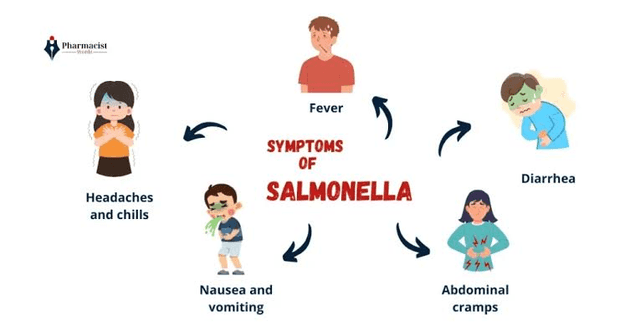
Salmonella infection usually develops 6 hours to 6 days after someone eats contaminated food. Common symptoms include:
- Diarrhea
- Fever
- Stomach cramps
- Nausea
- Vomiting
Most healthy people recover within a week without medical treatment. In some cases, severe dehydration or the spread of the infection into the bloodstream may require hospital care.
Who Is Most at Risk?
Some people are more likely to develop severe illness from Salmonella, including:
- Young children
- Adults over 65
- Pregnant people
- People with weakened immune systems
Anyone with severe symptoms or illness that does not improve should seek medical attention as soon as possible.
Why This Recall Matters for Consumers?
The recall covers nearly 19 million eggs, making it one of the largest food recalls in the United States this year. It also shows how routine safety testing can identify potential contamination before illnesses become widespread. Consumers should keep an eye on FDA food recall notices and always check product labels when a recall is announced. A few minutes spent checking a carton can help avoid unnecessary health risks.
Conclusion
Food recalls can happen without warning, which is why it’s worth checking products already in your kitchen. If you recently purchased eggs in one of the affected states, compare the carton details with the FDA recall notice before using them. Returning or discarding recalled eggs is the safest option and can help reduce the risk of Salmonella infection for you and your family.
Disclaimer:
The content shared by Meyka AI PTY LTD is for research and informational purposes only. Meyka is not a financial advisory service, and the information provided should not be treated as investment or trading advice.
What brings you to Meyka?
Pick what interests you most and we will get you started.
I'm here to read news
Find more articles like this one
I'm here to research stocks
Ask Meyka Analyst about any stock
I'm here to track my Portfolio
Get daily updates and alerts (coming March 2026)