




Key Points
Asia FX weakens as Iran peace talks stall, lifting US dollar demand.
China inflation rises above estimates, driven by higher energy costs.
Oil price pressure adds stress to Asian import-dependent economies.
Markets stay volatile amid geopolitical risk and policy uncertainty.
On May 11, 2026, Asian currencies slipped as hopes for Iran peace talks faded in global markets. At the same time, China reported inflation above estimates, surprising investors across Asia. Risk sentiment weakened, with the US dollar gaining strength and regional FX coming under pressure. Markets now face uncertainty as geopolitical tensions and price pressures shape the outlook. Investors are watching closely for further signals from trade, oil, and policy developments.
Asia FX Under Pressure as Iran Peace Optimism Collapses
Asia’s foreign exchange markets weakened on May 11, 2026, after hopes of progress in US-Iran peace talks faded again. Traders quickly moved away from risk assets. This shift pushed demand toward the US dollar.
The dollar index stayed firm near recent highs as investors sought safety. Reports from global desks showed renewed caution after earlier optimism around Middle East stability failed to hold.
Why are Asia FX markets reacting so sharply?
The main reason is rising geopolitical risk. When peace talks slow or fail, markets expect higher oil prices and slower global trade. Key market reactions included:
- Safe-haven demand rising for the US dollar
- Weakness across Asian emerging currencies
- Higher oil-linked inflation concerns
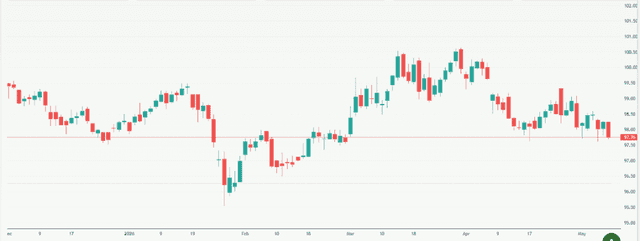
According to recent market coverage from Reuters, currency volatility increased after comments from global leaders signaled stalled negotiations in the Gulf region.
What is happening to major Asian currencies?
Most Asian currencies showed pressure due to capital outflows and risk aversion.
- Japanese yen remained weak near multi-month lows
- The Indian rupee stayed under pressure due to oil import costs
- Southeast Asian currencies followed broader emerging market weakness
Higher crude oil prices near the $100+ per barrel range added more strain on import-heavy economies. Market analysts note that when oil rises, Asia FX usually weakens because of higher trade deficits and inflation risk.
China Inflation Surprises Markets with Upside Momentum
China released fresh inflation data this week showing a higher-than-expected reading. This surprised investors who were expecting softer price trends.
The rise was mainly driven by cost-side pressures, not strong consumer demand. Energy and industrial input costs played a key role.
What is driving China’s inflation increase?
Several factors contributed to the upside surprise:
- Higher global crude oil import costs
- Rising industrial production expenses
- Supply chain pressure from global tensions
- Strong export demand in select sectors like technology
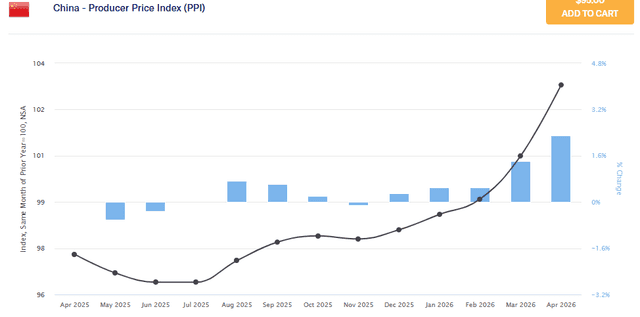
China’s producer price index also showed mild upward movement, signaling cost pressure in manufacturing. Even though inflation is rising, domestic demand remains uneven. Retail spending is still recovering slowly compared to export strength.
Is China’s economy overheating?
No clear signs of overheating are visible. Instead, analysts describe this as cost-push inflation. This means prices are rising due to external inputs, not strong internal demand. China’s export sector continues to perform better than domestic consumption, especially in:
- AI-related hardware
- Electronics
- Industrial machinery
These trends show a mixed recovery path.
Macro Drivers Behind Asia FX Volatility
Asia FX is currently reacting to multiple global forces at the same time. This is increasing short-term volatility.
How do geopolitical tensions impact currencies?
When geopolitical risks rise, investors move money into safe assets like the US dollar and gold. This leads to:
- Capital outflow from emerging markets
- Weakening of Asian currencies
- Higher import inflation pressure
The Iran peace situation is a key trigger because it directly affects global oil supply routes like the Strait of Hormuz.
How is oil influencing Asia FX right now?
Oil remains a major driver of FX movement. Higher oil prices lead to:
- Wider trade deficits in Asia
- Rising inflation expectations
- Pressure on central bank policy decisions
Brent crude staying above $100 levels has increased concerns for energy-importing countries.
What role do interest rate differences play?
Interest rate divergence is another major factor.
- The US maintains relatively tighter monetary conditions
- Asian central banks face weaker growth and rising inflation
- This gap strengthens the dollar further
An AI stock analysis tool tracking macro flows also highlights that FX pressure often increases when rate gaps widen between the US and Asia.
Investor Outlook – Volatility Expected to Stay Elevated
Market outlook remains cautious. Investors expect continued swings in Asia FX until geopolitical clarity improves. Short-term direction will depend on:
- US-Iran diplomatic updates
- Oil price movement
- China inflation trend
- US dollar strength
If tensions escalate further, Asia FX could weaken again. If peace talks resume positively, risk sentiment may recover quickly. Global funds are currently positioned defensively, reducing exposure to high-risk emerging market currencies.
Conclusion
Asia FX remains under pressure as fading Iran peace hopes increase global risk aversion. At the same time, China’s inflation surprise adds new cost pressures to the regional economy. These combined forces are keeping markets volatile and uncertain. Until geopolitical tensions ease and inflation stabilizes, Asian currencies are likely to remain sensitive to global headlines and oil price movements.
Disclaimer:
The content shared by Meyka AI PTY LTD is solely for research and informational purposes. Meyka is not a financial advisory service, and the information provided should not be considered investment or trading advice.
What brings you to Meyka?
Pick what interests you most and we will get you started.
I'm here to read news
Find more articles like this one
I'm here to research stocks
Ask Meyka Analyst about any stock
I'm here to track my Portfolio
Get daily updates and alerts (coming March 2026)