




Key Points
U.S. Dollar Index (DXY) held near 99 as traders awaited fresh market catalysts.
China PMI data remained the key indicator for the Asian currency market direction.
Iran ceasefire talks continued to influence oil prices and global risk sentiment.
Investors focused on upcoming U.S. jobs data and Federal Reserve policy signals.
Asian currency markets (Asia FX) opened the week cautiously on June 1, 2026, as the U.S. Dollar Index (DXY) held near the 99 level. Traders are closely watching China’s latest PMI data for signs of economic recovery while keeping an eye on developments in Iran ceasefire talks.
These two factors could shape global risk sentiment, influence oil prices, and drive currency movements across the region. As uncertainty lingers, investors are looking for fresh clues on where markets may head next.
Dollar Holds Firm Near 99 as Traders Await New Catalysts
DXY Stabilizes After Recent Swings
The U.S. Dollar Index (DXY) traded near 99 on June 1, 2026, after posting a weekly decline. Investors avoided large positions as they waited for fresh economic data and geopolitical updates. Reuters reported that the index remained around 99.05 during Asian trading, showing that the dollar still holds safe-haven appeal despite recent weakness.
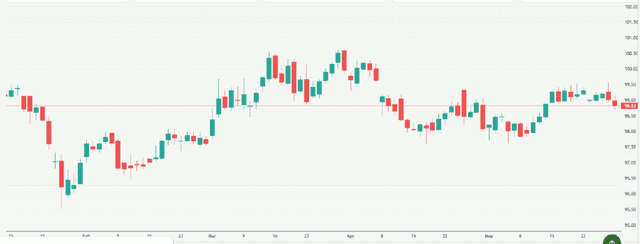
Rising tensions in the Middle East and uncertainty around global growth have kept demand for the U.S. currency relatively stable. Currency traders are now focusing on the next major market triggers rather than chasing short-term moves.
Fed Expectations Remain a Key Driver
Federal Reserve policy remains one of the biggest influences on currency markets. Investors are closely watching upcoming U.S. labor market data and inflation readings.
Current market expectations include:
- U.S. unemployment rate near 4.3%
- Around 85,000 new jobs in the latest payroll report
- Inflation remaining above the Fed’s long-term target
Any stronger-than-expected data could support the dollar and push Treasury yields higher.
China PMI Data Becomes the Main Focus for Asian Currency Markets
Mixed Signals From China’s Economy
China’s latest Purchasing Managers’ Index (PMI) data remains a major concern for investors. Recent surveys suggest that manufacturing activity continues to face pressure from weak domestic demand and slower export growth.
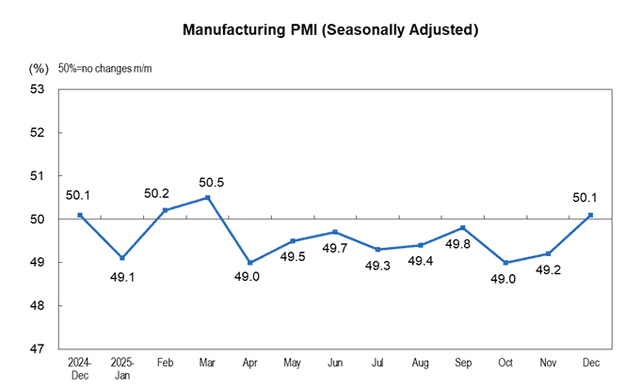
The world’s second-largest economy plays a crucial role in Asian trade. When Chinese manufacturing slows, regional currencies often feel the impact.
Market participants are looking for signs that Beijing may introduce additional stimulus measures to support economic activity during the second half of 2026.
Impact on the Chinese Yuan and Regional FX
The Chinese yuan remained relatively stable against the dollar despite mixed PMI readings. However, traders remain cautious.
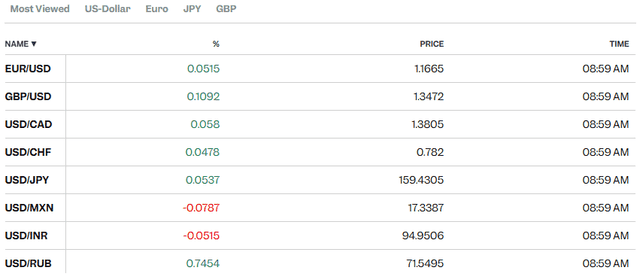
Currencies linked to regional trade, including the South Korean won, Singapore dollar, and Australian dollar, continue to react to Chinese economic indicators. A stronger PMI reading could improve risk sentiment across Asia, while weaker numbers may strengthen demand for the U.S. dollar.
Iran Ceasefire Developments Shape Risk Appetite Across Global Markets
Why Currency Markets Care About the Middle East?
The ongoing Iran ceasefire discussions remain a major market story. Investors know that any progress toward a lasting agreement could lower energy prices and reduce inflation pressures.
A successful deal may also improve global risk appetite and encourage investors to move away from defensive assets like the U.S. dollar.
Strait of Hormuz Remains a Key Market Variable
The Strait of Hormuz handles a significant share of global oil shipments. Markets have reacted strongly to every headline related to the region.
Recent reports suggest negotiations continue, but important issues remain unresolved. Oil prices have experienced sharp swings as traders assess the possibility of shipping disruptions and broader regional instability.
Asia FX: How Major Asian Currencies are Reacting?
Mixed Performance Across the Region
Asian currencies traded in narrow ranges on June 1. Key moves included:
- Japanese yen remained mostly range-bound.
- The South Korean won showed moderate volatility.
- Indian rupee stayed sensitive to oil-price movements.
- The Australian dollar tracked China-related developments.
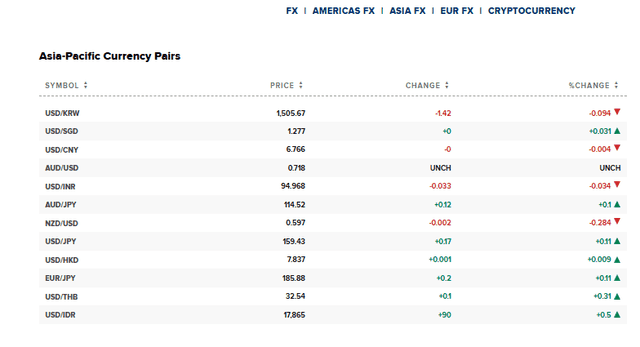
Investors are waiting for stronger economic signals before making large directional bets.
Investors Prefer Caution
Market sentiment remains balanced between geopolitical risks and economic uncertainty. Traders expect volatility to increase if China PMI data surprises or if Iran ceasefire negotiations produce major developments.
What Traders Should Watch This Week?
Key Asia FX Market Catalysts Ahead
Several events could drive currency markets in the coming days:
- U.S. Nonfarm Payrolls report
- Federal Reserve commentary
- Additional China economic releases
- Iran ceasefire negotiations
- Oil price movements
Many professional investors are also using an AI stock analysis tool alongside traditional macroeconomic research to track market sentiment and potential trading opportunities across global assets.
Wrap Up
Asian currency markets remain cautious as the dollar holds near the 99 level. China’s PMI data and Iran ceasefire developments are currently the biggest drivers of investor sentiment. While stronger Chinese economic data could support regional currencies, ongoing geopolitical uncertainty continues to boost demand for safe-haven assets.
Traders will closely watch upcoming U.S. economic reports and global developments for clearer market direction in the days ahead.
Disclaimer:
The content shared by Meyka AI PTY LTD is solely for research and informational purposes. Meyka is not a financial advisory service, and the information provided should not be considered investment or trading advice.
What brings you to Meyka?
Pick what interests you most and we will get you started.
I'm here to read news
Find more articles like this one
I'm here to research stocks
Ask Meyka Analyst about any stock
I'm here to track my Portfolio
Get daily updates and alerts (coming March 2026)