
Key Points
Apple Inc. is exploring US chipmaking talks with Intel and Samsung Electronics to reduce reliance on overseas suppliers.
The shift is driven by supply chain risks, rising AI chip demand, and US government incentives for local manufacturing.
Intel’s 18A node and Samsung’s 2nm tech could play key roles in Apple’s future chip strategy.
A multi-partner model may reshape the semiconductor industry and boost US chip production long term.
In May 2026, Apple Inc. began exploring new chipmaking partnerships in the United States with Intel and Samsung Electronics. This comes as global chip demand rises and supply chain risks grow. Apple has long depended on overseas production, mainly in Taiwan. Now, shifting part of its chip manufacturing to the US could change the tech landscape. What’s driving this move, and how could it impact future Apple devices?
Why Apple Is Rethinking Its Chip Supply Chain?
Is Apple too dependent on one supplier?
Apple Inc. has relied heavily on TSMC for over a decade. TSMC currently produces Apple’s most advanced 3nm chips used in iPhones and Macs. This deep reliance creates risk.
- Taiwan’s geopolitical tensions remain a concern in 2026
- Any disruption could delay Apple product launches
- High demand for AI chips is already straining supply
Apple now wants a backup plan. Diversifying suppliers can reduce these risks and ensure stable production.
Why is Apple shifting toward supply chain diversification?
Reports from May 2026 suggest Apple is exploring US-based manufacturing options. The goal is simple: reduce dependency and improve flexibility.
- Apple wants multiple chip partners
- It aims to secure long-term production stability
- It is preparing for future AI-driven demand
How are US policies influencing Apple’s decision?
The US government is pushing local chip production through incentives like the CHIPS Act.
- Billions in subsidies for domestic manufacturing
- Pressure on tech firms to localize supply chains
- Rising trade restrictions with China
This makes US chipmaking more attractive for Apple.
Apple-Intel Talks: A Strategic Comeback?
Can Intel become Apple’s chip partner again?
Intel once powered Apple Macs before Apple shifted to its own silicon in 2020. Now, Intel is trying to return, this time as a manufacturer, not a chip designer. Intel’s Foundry Services (IFS) is expanding fast. It aims to compete directly with TSMC.
What is Intel offering Apple?
Intel is developing advanced nodes like the 18A process (1.8nm class). Production is expected around 2027-2028.
- Smaller nodes mean faster and more efficient chips
- Intel promises competitive pricing and US-based production
- Government support boosts its credibility
What are the benefits for Apple?
Partnering with Intel could give Apple:
- Local manufacturing in the US
- Reduced geopolitical risk
- More negotiating power with suppliers
However, Intel still needs to prove consistent performance and yield.
Samsung Electronics: A Rising US Chip Power
How is Samsung expanding in the US?
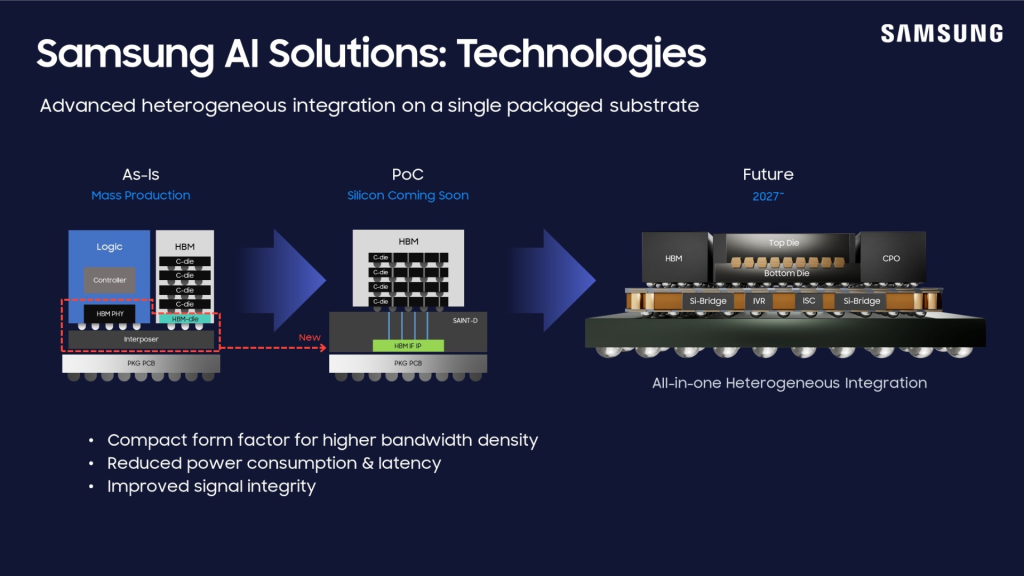
Samsung Electronics is investing heavily in US chip production. Its Texas fab in Taylor is expected to start operations by 2027.
- Multi-billion-dollar investment
- Focus on advanced logic chips
- Strong push into AI semiconductor demand
Can Samsung compete with TSMC?
Samsung is working on 2nm chip technology. It is trying to close the gap with TSMC.
- Market share is still smaller than TSMC
- But aggressive investment is changing the game
- Apple could become a key customer if talks succeed
Why would Apple choose Samsung?
Samsung offers:
- Advanced chip technology
- Existing experience with Apple components
- Strong global manufacturing network
This makes Samsung a strong alternative supplier.
What does this mean for the Global Semiconductor Industry?
Is the industry shifting toward US manufacturing?
Yes. Apple’s move signals a larger trend.
- More companies are moving production to the US
- Governments are investing heavily in chip infrastructure
- Supply chain resilience is now a top priority
Will competition among chipmakers increase?
Absolutely. The competition is heating up between:
- TSMC (current leader)
- Intel (comeback player)
- Samsung (aggressive challenger)
This could drive innovation and lower costs over time.
How will this impact AI and consumer devices?
Demand for AI chips is growing fast in 2026.
- Apple is integrating more AI features into devices
- Faster chips will improve performance and battery life
- Consumers may see better products at competitive prices
Risks, Challenges, and Uncertainty
Are these deals confirmed?
No. As of May 2026, discussions are still in early stages. No official agreements have been announced.
What challenges could slow this shift?
- Intel’s past delays in advanced nodes
- Samsung’s lower foundry market share
- High cost of US manufacturing
Will costs affect Apple products?
Possibly.
- US production is more expensive than in Asia
- Apple may absorb costs or pass them to consumers
- Margins could face pressure in the short term
Future Outlook: A Multi-Partner Chip Strategy?
Will Apple move away from TSMC completely?
Unlikely. TSMC remains the leader in advanced chipmaking. Apple will likely continue working with it.
What could Apple’s future strategy look like?
A hybrid model is expected:
- TSMC for flagship chips
- Intel for US-based production
- Samsung for diversification
What do analysts and platforms like Meyka say?
According to insights aligned with platforms like Meyka:
Short Forecast:
- Semiconductor stocks may benefit from Apple’s diversification strategy
- Intel and Samsung could see long-term growth
Technical View (General Market Trend):
- The chip sector shows bullish momentum driven by AI demand
- Volatility may remain due to geopolitical risks
What Meyka suggests:
- Watch companies investing in advanced nodes and AI chips
- Long-term growth remains strong despite short-term uncertainty
Other analysts also highlight:
- AI demand is the biggest growth driver
- Supply chain resilience as a key investment theme
- US chipmaking as a long-term strategic shift
For deeper insights, investors often rely on an AI stock analysis tool to track semiconductor trends, forecast demand, and identify emerging opportunities in this fast-changing market.
Final Words
Apple’s move to explore Intel and Samsung shows a clear shift toward a more secure and flexible chip strategy. It reflects rising pressure to localize production and reduce risk. While talks are still early, the impact could be huge. A multi-partner model may soon become the new standard. This could reshape the global chip industry and strengthen the US role in advanced manufacturing.
Disclaimer:
The content shared by Meyka AI PTY LTD is solely for research and informational purposes. Meyka is not a financial advisory service, and the information provided should not be considered investment or trading advice.
What brings you to Meyka?
Pick what interests you most and we will get you started.
I'm here to read news
Find more articles like this one
I'm here to research stocks
Ask Meyka Analyst about any stock
I'm here to track my Portfolio
Get daily updates and alerts (coming March 2026)