
Key Points
US equities hit record highs on strong AI and tech earnings.
Iran peace hopes pushed oil prices lower and lifted markets.
Investors await key US inflation and Federal Reserve data.
US-China meeting optimism improved global market sentiment.
U.S. stock markets jumped sharply in early May 2026 as investors reacted to easing fears around Iran and growing optimism over upcoming U.S.-China talks. US equities continued their strong rally as the S&P 500 and Nasdaq gained momentum after fresh corporate earnings and cooling oil prices improved market sentiment.
At the same time, traders are closely watching new inflation data and the Federal Reserve signals for clues about future interest rates. These global events are now shaping the next big move for Wall Street and international markets.
Why are US equities rallying despite global risks?
U.S. stock markets continued their strong rally in May 2026 even as geopolitical tensions remained high. Investors focused on strong corporate earnings, AI-driven growth, and hopes of easing tensions between the United States and Iran. The rally pushed the S&P 500 and Nasdaq to fresh record highs during the first week of May.
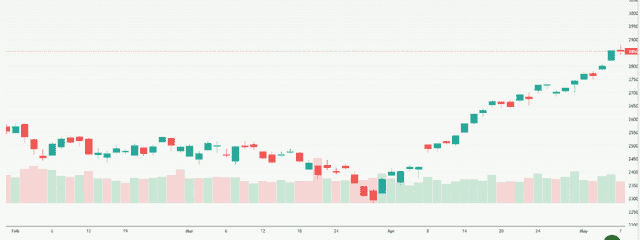
Market sentiment also improved after oil prices pulled back from recent highs. Traders believed that a possible diplomatic agreement with Iran could reduce pressure on global energy supplies. At the same time, investors expected upcoming inflation data to show signs of cooling price growth.
The S&P 500 has now gained more than 15% from its March 2026 low. Analysts say the market is benefiting from a mix of earnings strength and continued investment in artificial intelligence technologies.
Strong Earnings Continue to Support Risk Appetite
Corporate earnings remain one of the biggest reasons behind the latest stock market surge. Reuters reported that first-quarter S&P 500 earnings are projected to rise nearly 28%, marking one of the strongest growth periods in recent years.
Several major companies delivered better-than-expected results during the latest earnings season. Technology and semiconductor firms led the gains.
Key earnings trends include:
- Strong AI infrastructure demand
- Higher cloud computing spending
- Rising data-center investments
- Stable consumer demand despite inflation pressure
Analysts at Evercore ISI said sales growth for S&P 500 companies could reach 11.3%, while earnings growth may climb to 27.4%.
These numbers helped investors stay confident even with concerns about oil prices and global conflict.
AI Boom Keeps Nasdaq and Tech Stocks Elevated
Artificial intelligence remains the biggest growth theme in the market. AI-related companies have continued to attract strong investor interest throughout 2026.
Advanced Micro Devices recently forecast second-quarter revenue above expectations due to rising demand for AI data-center chips. Its stock jumped sharply after the announcement and lifted the entire semiconductor sector.
The Nasdaq Composite hit new record highs as investors increased exposure to AI-focused companies like:
RBC Capital Markets recently raised its year-end S&P 500 target to 7,900 because of continued AI optimism and strong earnings momentum.
Investors are also using AI stock analysis tools to track technical indicators, earnings trends, and market sentiment more efficiently during volatile trading periods.
Iran Developments Become the Market’s Biggest External Trigger
Geopolitical developments involving Iran remain one of the most important market drivers. Investors closely watched news about possible negotiations between Washington and Tehran during the first week of May 2026.
Earlier fears of a wider Middle East conflict had pushed oil prices sharply higher. However, recent reports suggesting progress toward a possible agreement helped calm markets and improve investor confidence.
Why Is the Strait of Hormuz So Important for Markets?
The Strait of Hormuz is one of the world’s most critical oil shipping routes. Nearly one-fifth of global oil supplies move through the narrow waterway.
Iran’s blockade earlier this year caused major energy concerns worldwide. Oil prices surged as traders feared long-term supply disruptions. Reuters reported that U.S. crude prices have risen more than 60% this year because of the conflict.
The situation remains highly sensitive because any disruption in the region can quickly affect:
- Global oil prices
- Inflation rates
- Airline and transportation costs
- Consumer spending
- Federal Reserve policy expectations
Markets reacted positively after reports suggested that shipping activity through the Strait of Hormuz could normalize if negotiations continue.
Oil Prices Swing as Peace Hopes Improve Sentiment
Oil prices became extremely volatile during the past week. Brent crude dropped sharply after optimism grew around a possible U.S.-Iran agreement.
According to Reuters, crude oil prices fell nearly 8% after reports of diplomatic progress emerged. This decline helped boost equities because lower oil prices reduce inflation pressure and improve consumer spending conditions.
Several sectors benefited from the drop in energy prices:
- Airlines
- Retail companies
- Consumer discretionary stocks
- Travel businesses
However, analysts warn that oil markets remain vulnerable to sudden headlines from the Middle East.
Economic Data Could Decide the Market’s Next Move
Investors are now shifting their focus toward key U.S. economic reports scheduled for May 2026. Inflation data, retail sales, and labor market numbers could shape the Federal Reserve’s next decision on interest rates.
Wall Street believes these reports will determine whether the current stock rally can continue.
Why Is the CPI Inflation Report So Important?
The April Consumer Price Index report is one of the most important economic releases for investors this month. March inflation data showed the fastest price growth in nearly four years because of higher energy prices linked to the Iran conflict.
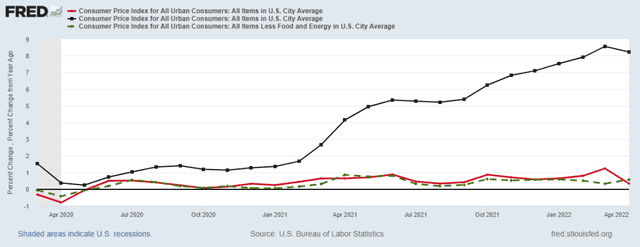
If April inflation numbers come in lower than expected, markets may increase bets on future Federal Reserve rate cuts.
Lower inflation could benefit:
- Technology stocks
- Growth companies
- Consumer sectors
- Real estate shares
On the other hand, stubborn inflation may push bond yields higher and create pressure on equities.
Treasury Yields and Consumer Spending Also Matter
Bond market movements remain another major focus for investors. Treasury yields have fluctuated sharply as traders respond to changing inflation expectations and geopolitical risks.
Retail sales data will also provide important clues about the strength of U.S. consumers. Analysts want to see whether higher fuel and food prices are hurting household spending.
So far, the labor market has remained relatively stable despite rising economic uncertainty. Analysts say that strong employment numbers continue to support market confidence.
Why the Upcoming US-China Meeting Matters for Markets?
Another key event for investors is the expected meeting between President Donald Trump and Chinese President Xi Jinping. Markets hope the discussions could reduce tensions between the world’s two largest economies and improve trade stability.
Trade and Technology Issues Return to Center Stage
Technology exports and semiconductor restrictions are expected to dominate the upcoming talks. The U.S. and China remain deeply connected in the global technology supply chain. Any easing in restrictions could help semiconductor companies and multinational firms.
Key discussion topics may include:
- Rare earth supplies
- Semiconductor access
- Tariff policies
- AI technology competition
- Taiwan-related tensions
Investors believe better communication between both countries could reduce uncertainty across global markets.
China’s Role in Global Stability Gains Attention
China’s growing diplomatic involvement in Middle East discussions has also gained investor attention.
Asian markets rallied strongly alongside Wall Street this week. Reuters reported that Japan’s Nikkei surged nearly 6% during the latest AI-driven global rally.
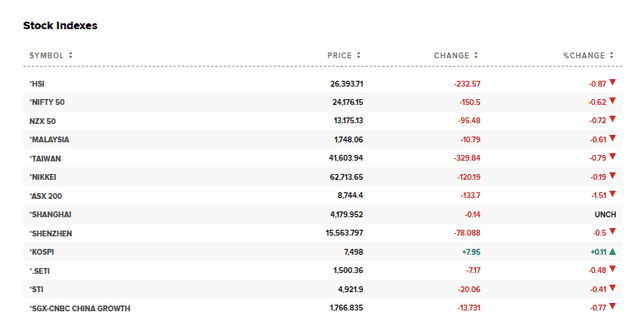
Analysts say improved U.S.-China cooperation could stabilize supply chains and support global economic growth.
Sector Winners Leading the Current Stock Market Rally
Different sectors are benefiting from the current market environment, but technology remains the clear leader.
Technology and Semiconductor Stocks Continue to Dominate
Chipmakers are leading the market higher because of strong AI demand. AMD shares jumped almost 17% after the company issued stronger-than-expected revenue guidance. Semiconductor indexes also reached fresh highs during the week.
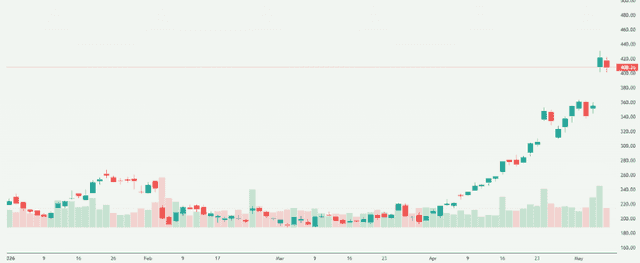
The AI boom continues driving growth in:
- Cloud computing
- Data centers
- AI software
- Chip manufacturing
Analysts believe AI spending could remain a major growth driver for years.
Consumer and Retail Stocks Rebound
Lower oil prices also helped improve sentiment in consumer-focused sectors. Retail and travel companies gained as investors expected lower fuel prices to support consumer spending through the summer season.
Companies tied to discretionary spending performed well because falling energy costs may reduce pressure on household budgets.
Key Risks Investors Should Still Watch
Despite the rally, several risks could still affect market momentum in the coming weeks.
Geopolitical Volatility Could Return Quickly
The Middle East situation remains fragile. Any sudden escalation involving Iran could quickly reverse recent gains in equities. Oil prices are still highly sensitive to developments around the Strait of Hormuz and U.S.-Iran negotiations.
Inflation and Federal Reserve Policy Remain Major Risks
Inflation remains another serious concern for investors. If inflation stays elevated, the Federal Reserve may delay interest-rate cuts. Higher borrowing costs could hurt growth stocks and reduce market liquidity later in 2026.
Analysts say markets remain optimistic, but volatility may increase around major economic reports and geopolitical developments.
Closing Note
U.S. equities continue to climb as investors balance strong earnings, AI-driven growth, and hopes for easing geopolitical tensions. Markets are now closely watching inflation data, Federal Reserve signals, and upcoming U.S.-China talks for the next major direction.
While optimism remains strong, volatility could quickly return if oil prices rise again or global tensions increase. Investors should stay focused on economic data and geopolitical updates as Wall Street enters another critical phase in 2026.
Disclaimer:
The content shared by Meyka AI PTY LTD is solely for research and informational purposes. Meyka is not a financial advisory service, and the information provided should not be considered investment or trading advice.
What brings you to Meyka?
Pick what interests you most and we will get you started.
I'm here to read news
Find more articles like this one
I'm here to research stocks
Ask Meyka Analyst about any stock
I'm here to track my Portfolio
Get daily updates and alerts (coming March 2026)