
Key Points
Tesla (TSLA) rose 1.89% to $423.74 as Model Y lease push boosted demand sentiment.
Leasing strategy helps support EV sales volume but adds pressure on profit margins.
EV competition and weaker incentives are increasing pricing pressure globally.
Investors focus on delivery growth, earnings outlook, and key technical levels near $400.
Tesla Inc (NASDAQ: TSLA) traded at $423.74 on June 3, 2026, rising 1.89% in early market action. The move came as investors reacted to a fresh Model Y lease push aimed at boosting demand. Tesla remains in focus as EV competition intensifies across global markets. Traders are watching whether pricing and leasing changes can support delivery growth in the coming quarter. Sentiment improved slightly as tech stocks stabilized after recent volatility.
TSLA Stock Performance Today & Market Reaction
Tesla Inc (NASDAQ: TSLA) traded near $423.74 with a gain of 1.89%, reflecting steady buying interest after recent volatility in mega-cap tech stocks. Intraday movement stayed between $413 and $424, showing controlled momentum rather than a breakout rally. Volume improved compared to the previous session, signaling renewed trader participation. Broader Nasdaq strength also supported sentiment.
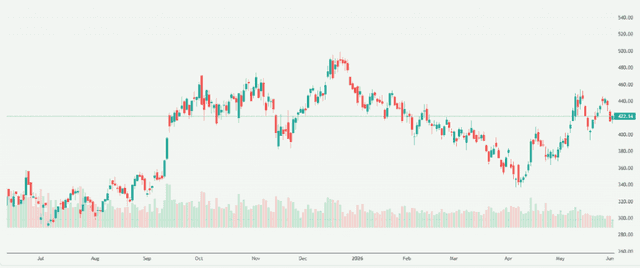
According to historical market tracking data from platforms like Yahoo Finance and MarketWatch, Tesla continues to remain highly sensitive to news around delivery expectations and pricing strategy.
Model Y Lease Push Strategy Driving Demand
Why is Tesla focusing on leasing in 2026?
Tesla’s Model Y lease strategy is becoming a key demand lever in a slowing EV growth environment. Leasing reduces upfront cost pressure for buyers and helps Tesla stabilize monthly delivery numbers. In competitive SUV EV markets, affordability is now a critical factor.
Recent industry data shows that Model Y lease pricing has been adjusted across multiple trims in response to demand fluctuations. Lower monthly lease options have helped attract price-sensitive customers, especially in the U.S. and Europe.
What is the impact of leasing on sales momentum?
Leasing improves short-term delivery visibility but can reduce long-term revenue per vehicle. However, it supports inventory flow and reduces unsold stock risk. Analysts widely view this as a balancing strategy between volume growth and margin protection.
Tesla’s pricing flexibility continues to be a key differentiator, especially when compared to traditional automakers who adjust pricing less frequently.
EV Market Pressure & Competitive Landscape
The global EV market is experiencing normalization after years of rapid expansion. Competitors like BYD, Ford, and Hyundai are increasing pressure in the mid-range EV segment, especially SUVs. This limits Tesla’s ability to maintain aggressive pricing power.

In the U.S., reduced government incentives have also impacted affordability, slowing demand growth in some regions. European markets show similar trends, with buyers becoming more selective due to macroeconomic uncertainty.
Tesla’s market share remains strong but no longer dominant in every segment. This shift is forcing the company to rely more on pricing adjustments and leasing incentives to maintain momentum.
Earnings Outlook & Investor Sentiment
Tesla’s earnings outlook remains mixed. Revenue growth has continued at a moderate pace in recent quarters, but margins remain under pressure due to repeated price cuts and incentives. Investors are closely tracking delivery numbers for Model Y as a key performance indicator.
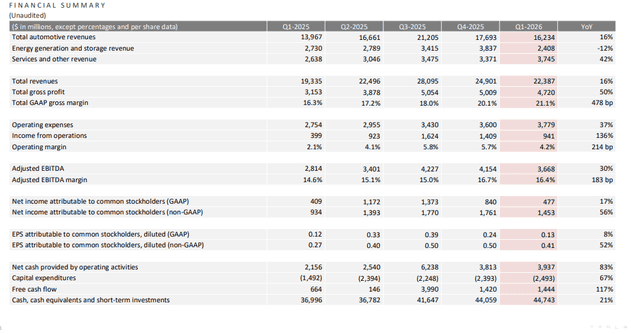
Technical analysis suggests TSLA is trading in a consolidation zone, with resistance near recent highs and support around the $400 level. A breakout above resistance could trigger short-term bullish momentum.
AI-based stock analysis tools typically highlight Tesla’s dual trend: strong innovation outlook but short-term margin volatility due to aggressive pricing strategies.
What Does This Means for TSLA Stock Momentum?
Tesla’s near-term stock direction depends heavily on whether the Model Y lease strategy successfully supports delivery growth. If leasing demand remains strong, TSLA could maintain stability above the $400 level. However, margin compression remains a key risk if discounts continue to rise.
Investor sentiment is likely to stay reactive to quarterly delivery updates and pricing decisions. For now, Tesla remains a momentum-driven stock where news flow and demand signals play a larger role than long-term valuation metrics.
Final Words
Tesla’s 1.89% rise reflects cautious optimism driven by its Model Y lease expansion strategy. The approach supports demand in a highly competitive EV market but also raises concerns about long-term profitability.
As investors weigh growth against margin pressure, Tesla’s next moves in pricing and deliveries will be critical. Market sentiment is likely to stay volatile, with short-term trends shaped by ongoing demand signals and broader tech sector performance.
Disclaimer:
The content shared by Meyka AI PTY LTD is solely for research and informational purposes. Meyka is not a financial advisory service, and the information provided should not be considered investment or trading advice.
What brings you to Meyka?
Pick what interests you most and we will get you started.
I'm here to read news
Find more articles like this one
I'm here to research stocks
Ask Meyka Analyst about any stock
I'm here to track my Portfolio
Get daily updates and alerts (coming March 2026)