
Key Points
STOXX 600 rebounds 0.5% after its biggest selloff in nearly four months.
DAX rises 0.7% as technology and industrial stocks recover.
AI demand, valuations, and earnings shape European market sentiment.
Geopolitical risks and interest rates remain key market concerns.
European stock markets started recovering on 9 July 2026 after the STOXX 600 recorded its biggest selloff in almost four months. The pan-European index rose 0.5% as investors moved back into recently weaker shares, while Germany’s DAX advanced 0.7% during the session. Technology and industrial stocks helped drive the recovery.
Still, traders remained careful as geopolitical tensions, interest rate expectations, and global economic uncertainty continued to influence market moves.
STOXX 600 Rebound: Key Drivers Behind Europe’s Market Recovery
Why did the STOXX 600 recover after the recent selloff?
European shares bounced back on 9 July 2026 after a sharp decline pushed investors into a more cautious position. The STOXX 600 gained 0.5%, recovering after its largest drop in nearly four months. Buyers returned to technology, banking, and industrial stocks that had faced pressure during the previous sessions.
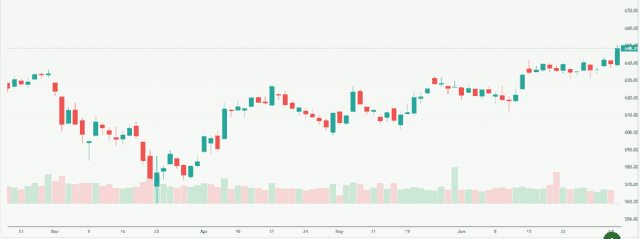
Technology shares were among the strongest contributors to the recovery. Semiconductor companies gained ground after earlier losses caused by concerns over high valuations and slower momentum in artificial intelligence-related stocks. Investors continued to see long-term demand for chips and AI infrastructure as a positive factor for the sector.
The market recovery also came as global risk appetite improved. Even with the rebound, investors remained focused on geopolitical developments, energy prices, and upcoming economic data before increasing their exposure.
How did technology and industrial stocks support the recovery?
European technology stocks helped lift markets after facing strong selling pressure earlier in the week. Semiconductor companies attracted fresh buying interest as investors continued tracking opportunities linked to artificial intelligence growth.
Companies connected to semiconductor demand, including major European chip equipment suppliers, received renewed attention as global investment in AI infrastructure continued. Analysts expect the sector to maintain long-term growth, although price swings remain possible in the short term.
Industrial stocks also contributed to the STOXX 600 recovery. Investors looked toward companies benefiting from manufacturing activity, infrastructure investment, and energy transition projects.
Main factors supporting the market rebound included:
- Buying activity after recent declines
- Continued demand for AI-related technology
- Attractive valuations across selected European stocks
- Better sentiment toward industrial companies
Investors are also using AI stock analysis tools to review market trends, company fundamentals, and technical indicators before making investment decisions.
Why are banks and German stocks gaining investor attention?
Bank shares supported the wider European recovery as investors continued to assess interest rate expectations and economic growth. Higher rates in recent years helped many banks improve earnings, although possible rate cuts remain a concern for future performance.
Germany’s DAX index climbed 0.7% on 9 July 2026, outperforming several European markets. Gains in technology and industrial companies helped push the index higher. Germany’s manufacturing strength and export-focused economy continue to influence investor confidence in the DAX.
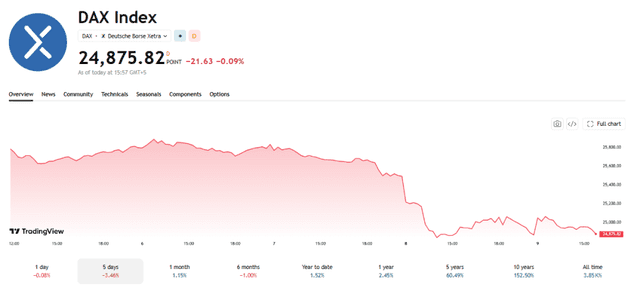
Market participants are now watching earnings forecasts from German companies. Strong results could support further gains, while weaker demand may limit market progress.
Why did European markets face pressure before the STOXX 600 recovery?
Did technology concerns trigger the recent market decline?
Yes. Concerns about technology valuations and profit-taking played a major part in the recent market weakness. European technology stocks had benefited from strong AI-related optimism, but some investors became cautious about whether share prices had moved too far ahead of earnings expectations.
On 7 July 2026, the STOXX 600 declined as technology shares came under pressure. Semiconductor companies faced selling as traders reduced positions in high-growth areas.
The decline showed that investors remain sensitive to valuation concerns. Even companies with strong long-term prospects can experience corrections when expectations become too high.
How are geopolitical risks affecting European stocks?
Geopolitical uncertainty continues to influence European markets. Concerns about global conflicts, energy supply disruptions, and inflation pressures have affected investor confidence.
Rising oil prices can increase costs for businesses and consumers, creating challenges for economic growth. Investors are also watching central bank decisions because inflation trends may influence future interest rate policies.
Although the STOXX 600 recovered, traders remain alert to sudden market changes caused by global events.
DAX Gains 0.7%: Germany’s Market Strength and Sector Performance
Why did Germany’s DAX outperform during the recovery?
The DAX benefited from gains in technology and industrial shares. Germany’s economy relies heavily on manufacturing, exports, and engineering companies, making these sectors closely linked to market performance.
Investors continue to monitor companies involved in automation, energy solutions, and semiconductor demand. These industries could benefit from long-term investment trends.
The DAX recovery also reflects interest in European companies that have become more attractive after recent market weakness. At the same time, analysts continue to watch Germany’s economic growth challenges.
What factors will influence Germany’s stock market next?
Future DAX performance will depend on several areas:
- Corporate earnings growth
- European Central Bank policy decisions
- Manufacturing data
- Global trade conditions
Investors will follow upcoming economic reports to assess whether the current recovery can continue.
European Stock Market Outlook: What Investors Should Watch Next
Can AI growth support European equities?
AI remains a major theme in global markets. European companies involved in semiconductor production, automation, and digital infrastructure may benefit from increasing demand.
Investors are becoming more selective, with earnings growth expected to support company valuations. Businesses with strong financial results are likely to receive more attention as the market evaluates AI-related opportunities.
What risks could limit the market recovery?
The STOXX 600 rebound has not removed market risks. Inflation concerns, geopolitical tensions, and uncertainty around interest rates could lead to more volatility.
Investors will continue watching corporate earnings and economic indicators. Stable growth and improving market confidence could support European shares, but challenges remain.
Conclusion
The STOXX 600’s 0.5% recovery and the DAX’s 0.7% gain reflect improving investor sentiment after recent losses. Technology and industrial shares supported the move higher, while traders continued tracking global risks. Inflation, interest rates, and geopolitical developments will remain major factors for European equities as investors look for signs of a stronger and more stable recovery.
Disclaimer:
The content shared by Meyka AI PTY LTD is solely for research and informational purposes. Meyka is not a financial advisory service, and the information provided should not be considered investment or trading advice.
What brings you to Meyka?
Pick what interests you most and we will get you started.
I'm here to read news
Find more articles like this one
I'm here to research stocks
Ask Meyka Analyst about any stock
I'm here to track my Portfolio
Get daily updates and alerts (coming March 2026)