
Key Points
Keir Starmer resigned on June 22, 2026, triggering political uncertainty in the UK.
The pound fell 0.4%, with GBP/USD slipping to around $1.3181 near its 2026 low.
Investors are closely watching Andy Burnham and the upcoming Labour leadership race.
A weaker pound could raise import costs, increase inflation risks, and affect borrowing costs.
The British pound came under fresh pressure on June 22, 2026, after Prime Minister Keir Starmer announced his resignation, triggering uncertainty across UK financial markets. Sterling fell 0.4% against the US dollar, slipping to around $1.3181 and moving close to its lowest level of the year.
Investors are now assessing what a leadership change could mean for economic policy, government spending, and market stability. As political developments unfold, the outlook for the pound remains a key focus for traders and analysts alike.
Why Did Keir Starmer Resign?
Mounting Political Pressure Inside Labour
Keir Starmer announced his resignation on June 22, 2026, after months of growing pressure within the Labour Party. Several MPs openly questioned his leadership following disappointing election results and declining public support. Internal divisions over immigration, energy policy, and economic priorities also weakened his position.
The resignation follows a turbulent period in which senior party figures and backbench MPs demanded a change in leadership. According to reports from the Economic Times and other UK political observers, Starmer faced increasing criticism as Labour struggled to maintain momentum despite being in government.
Timeline of the Leadership Crisis
The leadership crisis intensified during the first half of 2026. Reports in May showed nearly 100 Labour MPs calling for Starmer to step aside. Cabinet tensions and ministerial resignations further damaged confidence in his leadership.
On June 22, Starmer officially stepped down, triggering a new leadership race and creating fresh uncertainty across UK financial markets.
Pound Falls 0.4% as Markets React Immediately
GBP/USD Slides Near 2026 Low
Financial markets reacted quickly to the news. The British pound fell about 0.4% against the US dollar, with GBP/USD slipping to approximately $1.3181. This placed sterling close to its weakest level of 2026.
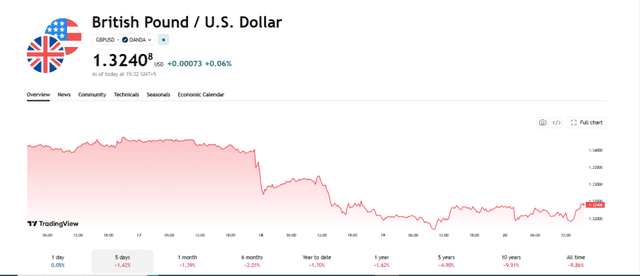
Currency traders typically avoid uncertainty. A sudden leadership change creates concerns about future economic policies and government stability. As a result, investors moved cautiously, putting pressure on the pound.
Why Political Instability Hurts Currencies?
Political uncertainty often weakens a country’s currency because investors struggle to predict future policy decisions.
Key concerns include:
- Changes in fiscal policy
- Government spending plans
- Tax reforms
- Economic growth prospects
Markets now face questions about who will lead the government and whether major policy shifts could follow.
UK Bond Markets and Investor Sentiment Turn Cautious
Gilt Yields Move Higher
The resignation also affected UK government bonds. Yields on benchmark gilts moved higher as investors demanded greater compensation for risk. Rising yields often signal concerns about future borrowing and fiscal management.
Fiscal Concerns Take Center Stage
Investors remain focused on Britain’s budget position. Government debt levels remain elevated compared with pre-pandemic years, and any increase in spending commitments could place additional pressure on public finances.
Analysts note that leadership transitions often create short-term volatility. Bond investors will closely monitor statements from leadership candidates regarding taxation, borrowing, and public spending.
Who Could Replace Starmer? Why Markets are Watching Andy Burnham?
Burnham Emerges as Leading Successor
Attention has quickly shifted to Andy Burnham. Many political commentators consider him one of the leading candidates to replace Starmer.
Burnham recently strengthened his profile after securing a parliamentary return, making him a serious contender in the upcoming leadership contest.
Investor Concerns About Policy Direction
Markets are assessing how a Burnham-led government might differ from Starmer’s administration. Investors are particularly watching:
- Public spending commitments
- Infrastructure investment plans
- Tax policy proposals
- Borrowing requirements
Even before any official policy announcements, expectations alone can influence currency and bond markets.
What Does a Weaker Pound Mean for UK Consumers and Businesses?
Higher Import Costs
A weaker pound makes imported products more expensive. This can increase costs for businesses that rely on overseas goods and raw materials. Consumers may eventually face higher prices on imported products, including electronics, fuel, and food items.
Impact on Mortgages, Travel, and Investments
Currency weakness can affect several parts of daily life. Foreign holidays become more expensive, while higher bond yields may contribute to increased borrowing costs. Investors also watch pension funds and stock portfolios closely during periods of political uncertainty. Many use advanced tools, including AI stock analysis platforms, to evaluate potential market risks.
GBP/USD Forecast – Can Sterling Recover?
Key Factors Traders Will Monitor
Sterling’s next move will depend on several developments:
- Labour leadership contest outcomes
- UK inflation data
- Economic growth figures
- Bank of England interest-rate decisions
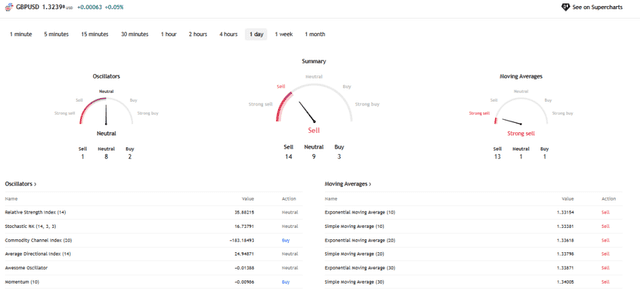
Technical Levels to Watch
Currency analysts view the $1.3180 area as an important support level. If political uncertainty continues, additional downside pressure may emerge. However, a clear leadership transition and stable economic outlook could support a recovery later in 2026.
Historical Context – Another Prime Minister Exit Adds to UK Political Volatility
Britain’s Revolving Door of Leadership
Starmer’s resignation continues a pattern of political instability that has shaped Britain since the 2016 Brexit referendum. The UK has now seen multiple prime ministers leave office within a decade. Frequent leadership changes can undermine investor confidence and increase market volatility. Global investors often prefer stable political environments when allocating capital.
Conclusion
Keir Starmer’s resignation has created a new period of uncertainty for the UK economy and financial markets. The pound’s drop toward 2026 lows highlights investor concerns about future leadership and policy direction.
While short-term volatility is likely, markets will soon focus on who replaces Starmer and how the next government plans to manage spending, growth, and inflation. Those decisions will play a major role in determining the future path of sterling and broader investor confidence.
Disclaimer:
The content shared by Meyka AI PTY LTD is solely for research and informational purposes. Meyka is not a financial advisory service, and the information provided should not be considered investment or trading advice.
What brings you to Meyka?
Pick what interests you most and we will get you started.
I'm here to read news
Find more articles like this one
I'm here to research stocks
Ask Meyka Analyst about any stock
I'm here to track my Portfolio
Get daily updates and alerts (coming March 2026)