




Key Points
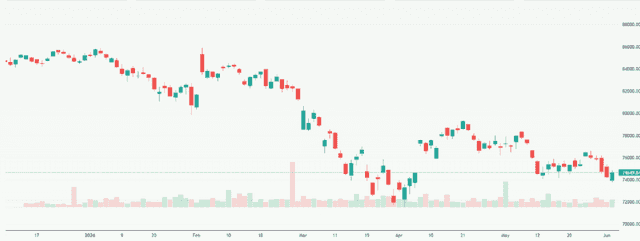
Sensex fell 1.04% to 73,875 as market sentiment weakened.
Brent crude neared $97 per barrel, raising inflation concerns.
US-Iran tensions and FII selling increased market pressure.
IT, banking, and broader market stocks led the decline.
Indian stock markets faced renewed pressure on June 3, 2026, as the Sensex fell 1.04% to 73,875 amid rising concerns over global crude oil prices. Brent crude remained near multi-month highs, raising fears about inflation and increased import costs for India.
At the same time, ongoing geopolitical tensions kept investors cautious, triggering broad-based selling across sectors. What does this market decline mean for investors, and which factors could shape the next move? Here’s a closer look at the key developments driving today’s market action.
Sensex Today: Market Snapshot and Key Numbers
Benchmark Indices Performance
Indian equities remained under pressure on June 3, 2026. The BSE Sensex dropped 1.04% to 73,875, while the Nifty 50 slipped below the 23,300 mark. The decline marked another weak session as investors reacted to rising crude oil prices and growing geopolitical uncertainty. Reuters reported that Brent crude climbed close to $97 per barrel, adding fresh concerns for oil-import-dependent economies like India.
Key Market Statistics
Most major sectors traded in the red. IT stocks led the decline, while broader markets also weakened. Mid-cap and small-cap indices fell around 0.8% and 0.6%, showing that selling pressure was not limited to large-cap stocks. Market sentiment remained cautious as foreign investors continued to reduce exposure to Indian equities.
Top Reasons Behind Today’s Sensex Decline
Crude Oil Prices Continue to Climb
The biggest trigger behind today’s fall was the sharp rise in crude oil prices. Brent crude traded near $97 per barrel after renewed tensions in the Middle East. Higher oil prices increase India’s import bill and create inflation risks. They also raise operating costs for sectors such as aviation, logistics, and manufacturing.
Escalating US-Iran Geopolitical Tensions
Investor confidence weakened after fresh reports of military escalation involving Iran. Markets fear disruptions to global energy supplies and shipping routes. Such developments typically push investors toward safer assets and away from equities.
Persistent Foreign Investor Selling
Foreign Institutional Investors (FIIs) have remained net sellers throughout 2026. Reuters data shows foreign investors have withdrawn more than $26 billion from Indian equities this year. This sustained outflow has created additional pressure on benchmark indices and the rupee.
Sector-Wise Impact: Which Stocks Led the Selloff?
IT Stocks Under Heavy Pressure
Technology stocks were among the biggest losers. The Nifty IT index declined more than 4% as investors booked profits after a strong rally. Weak global tech sentiment also weighed on the sector.
Banking and Financial Stocks Weaken
Banking shares traded lower amid concerns that higher inflation could limit future rate cuts. Financial stocks also faced pressure from broader market weakness.
Broader Market Performance
Selling was visible across sectors. Auto, metals, and consumer stocks also declined. Defensive sectors such as healthcare showed relatively better resilience compared with cyclical industries.
How Rising Crude Oil Prices Affect the Indian Stock Market?
Inflation and Corporate Earnings Risks
India imports more than 85% of its crude oil requirements. When oil prices rise, transportation and production costs increase. Companies may see weaker profit margins if they cannot pass these costs to consumers.
Impact on the Rupee and Fiscal Position
Higher crude prices also weaken the rupee because India needs more dollars for imports. Reuters reported that the rupee traded near record lows, prompting likely intervention by the Reserve Bank of India. A weaker currency can further increase imported inflation.
Sensex: What Should Investors Watch Next?
Key Triggers for Market Direction
Investors should closely monitor:
- Brent crude oil prices
- US-Iran geopolitical developments
- RBI policy commentary
- FII and DII fund flows
- Rupee movement against the US dollar
These factors will likely determine whether the current correction deepens or stabilizes in the coming sessions.
Expert Outlook on Sensex and Nifty
Near-Term Market Expectations
Analysts expect volatility to remain elevated. As long as crude oil stays near current levels, market sentiment may remain fragile. Technical analysts view the 73,500 zone as an important support area for Sensex. Investors can use an AI stock analysis tool alongside fundamental research to track market trends and risk levels more effectively.
Conclusion
The latest Sensex decline highlights the growing impact of global events on Indian markets. Rising crude oil prices, geopolitical tensions, and continued foreign investor selling have created a challenging environment for equities.
While short-term volatility may continue, investors should focus on quality businesses, monitor key macroeconomic indicators, and avoid making decisions based solely on market headlines.
Disclaimer:
The content shared by Meyka AI PTY LTD is solely for research and informational purposes. Meyka is not a financial advisory service, and the information provided should not be considered investment or trading advice.
What brings you to Meyka?
Pick what interests you most and we will get you started.
I'm here to read news
Find more articles like this one
I'm here to research stocks
Ask Meyka Analyst about any stock
I'm here to track my Portfolio
Get daily updates and alerts (coming March 2026)