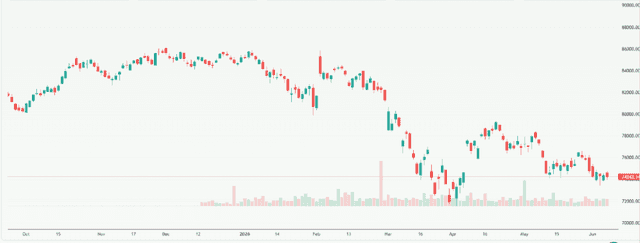
SENSEX LIVE Updates: INDEXBOM: SENSEX Slips 0.71% to 73,713.84, Loses 529.50 Points Amid War Fears

Key Points
Sensex plunged 529.50 points to 73,713.84 amid rising geopolitical tensions.
Brent crude oil surged near $96.5 per barrel, raising inflation concerns.
Banking, IT, and aviation stocks led losses across Indian markets.
Investors are closely watching oil prices, FII activity, and key Nifty support levels.
Indian stock markets started the week on a weak note as the Sensex plunged 529.50 points to 73,713.84 on June 8, 2026. Growing fears over escalating geopolitical tensions and a sharp rise in crude oil prices unsettled investors across global markets.
The selloff reflected rising caution among traders as risk sentiment weakened. With volatility returning and key sectors under pressure, many investors are now asking what could happen next and whether this market decline is just the beginning.
Why Is the Sensex Falling Today? Key Reasons Behind the Market Selloff
Middle East War Fears Shake Global Markets
The Indian stock market came under pressure on June 8, 2026, as investors reacted to rising tensions in the Middle East. Reports of fresh military exchanges involving Iran and Israel increased concerns about global economic stability. Investors moved away from risky assets and shifted toward safer investments.
The impact was visible across Asia. Major regional indices declined sharply, creating a risk-off mood that affected Indian equities as well. Global uncertainty remains one of the biggest drivers behind the latest market weakness.
Crude Oil Prices Surge
Another major trigger was the sudden jump in crude oil prices. Brent crude climbed around 3.5% to nearly $96.5 per barrel, while some reports showed prices briefly approaching $97.5 per barrel.
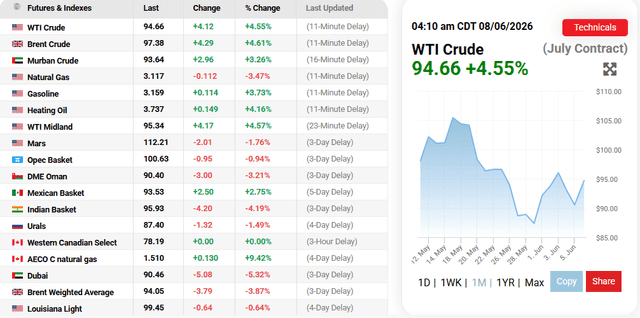
For India, higher oil prices are a concern because the country imports most of its energy needs. Rising crude increases inflation risks, puts pressure on the rupee, and can hurt corporate profits. These concerns led to fresh sales across sectors.
Sensex and Nifty Performance: Key Market Numbers to Know
Benchmark Index Snapshot
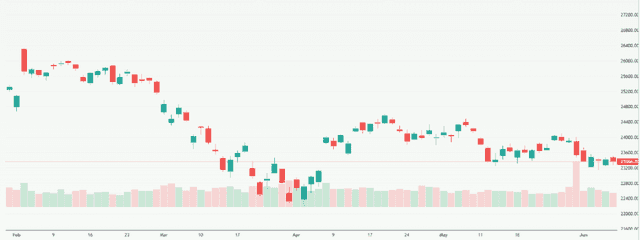
The BSE Sensex slipped 529.50 points, or 0.71%, to 73,713.84 during trading on June 8. The Nifty 50 also traded near the 23,100-23,200 range after opening sharply lower.
Most sectoral indices remained in negative territory. Financial and IT stocks were among the biggest losers as investors reduced exposure to growth-sensitive sectors. Sources: Reuters; Indian Express.
Broader Market Weakness
The weakness was not limited to large-cap stocks. Mid-cap and small-cap indices declined roughly 1%, showing broad-based selling pressure.
Market breadth stayed negative throughout the session. More stocks declined than advanced, highlighting cautious investor sentiment across Dalal Street.
Which Sectors are Dragging the Market Lower?
Banking and Financial Stocks Under Pressure
Banking and financial shares contributed heavily to the decline. Foreign institutional investors have remained net sellers in June, adding pressure on major lenders and financial companies.
IT Stocks Extend Declines
Technology stocks also struggled. Concerns about global growth and weakness in international tech markets affected sentiment. Several large IT companies traded lower as investors reassessed growth expectations.
Aviation and Consumption Stocks React to Rising Oil Prices
Higher fuel costs hurt aviation and consumer-focused businesses. Airlines face increasing operating expenses when crude prices rise. This led to renewed selling in fuel-sensitive sectors.
Global Market Impact: How Asia and Wall Street are Influencing Indian Stocks
Asian Markets Witness Sharp Declines
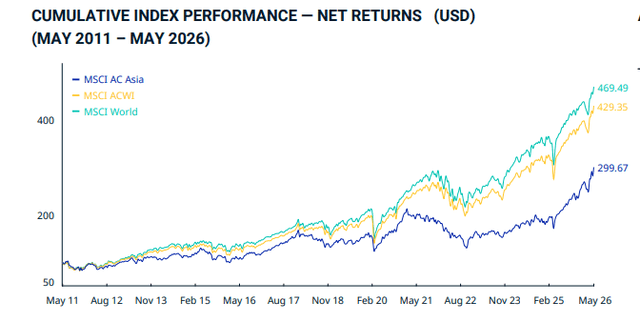
The broader Asian market selloff played a major role. The MSCI Asia ex-Japan index fell 2.8%. South Korea’s Kospi dropped nearly 5%, while Japan’s Nikkei lost about 3.7%. These losses signaled growing concern among global investors and added pressure on Indian markets.
Interest Rate and Economic Growth Concerns
Investors are also watching the U.S. Federal Reserve closely. Strong U.S. jobs data has increased expectations of another rate hike. Higher rates can reduce liquidity and make emerging markets less attractive for global investors.
Sensex: What Market Experts are Watching Next?
Oil Prices and Geopolitical Headlines
Analysts believe crude oil prices will remain the key market trigger. Any escalation in the Middle East could increase volatility further.
FII Activity and Rupee Movement
The rupee weakened to around 95.32 against the U.S. dollar. Continued foreign investor outflows may keep markets under pressure in the short term.
Key Technical Levels
According to market analysts, Nifty faces immediate support near 23,100. A break below this level could open the door to 23,000-22,800. Resistance is seen around 23,500-23,550. Investors using an AI stock analysis tool can monitor these levels alongside broader market trends for better decision-making.
What Should Investors Do During the Current Market Volatility?
Focus on Long-Term Strategy
Investors should avoid panic selling during periods of uncertainty. Instead, they should focus on quality companies with strong fundamentals.
Diversification remains important. Monitoring oil prices, global developments, and foreign fund flows can help investors navigate market volatility more effectively.
Wrap Up
The latest Sensex decline reflects a combination of geopolitical tensions, surging oil prices, foreign investor selling, and global market weakness. While short-term volatility may continue, long-term investors should focus on fundamentals rather than daily market swings.
The direction of crude oil, the rupee, and global risk sentiment will likely determine the next move for Indian equities. Staying disciplined and selective remains the best approach in the current environment.
Disclaimer:
The content shared by Meyka AI PTY LTD is solely for research and informational purposes. Meyka is not a financial advisory service, and the information provided should not be considered investment or trading advice.
What brings you to Meyka?
Pick what interests you most and we will get you started.
I'm here to read news
Find more articles like this one
I'm here to research stocks
Ask Meyka Analyst about any stock
I'm here to track my Portfolio
Get daily updates and alerts (coming March 2026)