



SENSEX Drops 530 Points, NIFTY50 Slips to 24,244 as West Asia Tensions Drive Oil Prices Higher

Key Points
Sensex fell over 530 points, while NIFTY50 slipped to 24,244 amid broad market selling.
West Asia tensions pushed Brent crude prices higher, hurting investor sentiment.
Oil & Gas, Auto, and FMCG stocks led losses, while pharma and energy producers showed resilience.
Investors are closely tracking oil prices, geopolitical developments, FII activity, and inflation for market direction.
On July 8, 2026, Indian stock markets came under heavy selling pressure after fresh tensions in West Asia pushed global crude oil prices higher. The BSE Sensex lost more than 530 points, while the NIFTY50 slipped to 24,244 as investors turned cautious. Because India relies heavily on imported crude oil, any sharp increase in oil prices can affect inflation, business costs, and overall market sentiment. Here’s a closer look at what caused today’s decline and what investors should keep an eye on next.
Why Did Sensex and NIFTY50 Fall Today?
What triggered the market sell-off?
Indian equities opened sharply lower on July 8, 2026, after renewed tensions in West Asia raised concerns about possible disruptions to global oil supplies. Reports of fresh U.S. strikes on Iran and worries over shipping through the Strait of Hormuz prompted investors to reduce risk. That cautious mood spread across Asian markets, leading to broad-based selling.
Crude oil prices moved higher
Brent crude climbed about 2.7% to around $76.2 per barrel. That is a concern for India, which imports the majority of its crude oil. Higher energy prices can push up inflation, widen the country’s trade deficit, and put pressure on company earnings. With these risks in focus, many investors chose to lock in profits after the recent rally.
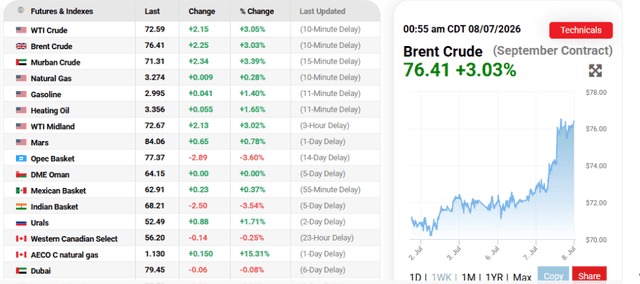
Market Performance Today: Key Numbers Investors Should Know
Benchmark indices remained under pressure
Selling continued through the trading session.
- BSE Sensex dropped more than 530 points to around 77,675.
- NIFTY50 slipped to nearly 24,244, down roughly 0.6%.
- GIFT Nifty had already pointed to a weak start before the market opened.
Which sectors were hit the hardest?
The decline was broad, with 13 of the 16 major sectoral indices trading in negative territory. The worst-performing sectors included:
- Oil & Gas
- Auto
- FMCG
At the same time, investors moved toward relatively defensive sectors. Pharma and healthcare stocks held up better as traders looked for safer options during the market decline.
Stocks That Led the Decline and Gainers in Today’s Session
Which stocks fell the most?
Companies exposed to higher fuel costs were among the biggest losers. Major decliners included:
- Indian Oil Corporation (IOC)
- Bharat Petroleum (BPCL)
- Hindustan Petroleum (HPCL)
- InterGlobe Aviation (IndiGo)
- Asian Paints
Higher crude prices increase operating expenses for airlines, fuel retailers, paint manufacturers, and other businesses that rely on petroleum-based raw materials.
Which stocks performed better?
Oil exploration and production companies moved higher because stronger crude prices generally support their earnings. Notable gainers included:
- ONGC
- Oil India
A few pharmaceutical companies also attracted buying as investors shifted toward defensive sectors. Many traders now use an AI stock analysis tool alongside market data to monitor sector rotation and identify changes in market momentum.
Meyka Market View
Short market outlook: Meyka expects Indian equities to remain cautious in the near term while geopolitical tensions continue to keep crude oil prices elevated.
Technical analysis summary: According to the platform, NIFTY50 is testing an important support zone around 24,200 to 24,250. Holding above this level could help stabilise sentiment, while a break below it may lead to additional selling.
What Meyka says: Meyka advises investors to closely monitor crude oil prices, foreign fund flows, and geopolitical developments before taking fresh positions.
What Rising Oil Prices Mean for the Indian Economy and Stock Market?
Why does expensive crude matter?
India is the world’s third-largest importer and consumer of crude oil. When oil prices rise, the country’s import bill also increases. That can put pressure on the rupee, raise transportation costs, and increase the prices of many goods and services. Businesses may also face higher production costs, which can squeeze profit margins.
What should investors watch next?
Market participants will be tracking several factors over the coming days:
- Developments in West Asia
- Brent crude oil prices
- Foreign institutional investor (FII) activity
- Inflation expectations
- RBI policy outlook
If crude prices stay elevated, sectors such as aviation, paints, chemicals, and fuel marketing companies could remain under pressure. Energy producers and defensive sectors may continue to attract investor interest if uncertainty persists.
Conclusion
The fall in the Sensex and NIFTY50 reflects how quickly global geopolitical developments can influence Indian markets. Higher crude oil prices remain the main concern because they affect inflation, corporate costs, and investor sentiment.
Market direction in the coming sessions will depend on events in West Asia, the movement in oil prices, foreign investment flows, and upcoming economic data. Until there is more clarity, investors are likely to remain selective and focus on fundamentally strong companies.
Disclaimer:
The content shared by Meyka AI PTY LTD is solely for research and informational purposes. Meyka is not a financial advisory service, and the information provided should not be considered investment or trading advice.
What brings you to Meyka?
Pick what interests you most and we will get you started.
I'm here to read news
Find more articles like this one
I'm here to research stocks
Ask Meyka Analyst about any stock
I'm here to track my Portfolio
Get daily updates and alerts (coming March 2026)