Nikkei 225 Slips Nearly 1% Losing 589.72 Points to 60,819.57 Amid Surge in 10-Year JGB Yield to 2.8% (30-Year High Since 1997)

Key Points
Nikkei 225 fell nearly 1% amid profit-taking and rising bond yields.
Japan’s 10-year JGB yield surged to ~2.8%, a 30-year high since 1997.
The Bank of Japan’s policy shift is pushing markets toward higher interest rates.
Rising yields are pressuring equities and reshaping sector performance.
On Monday, May 18, 2026, Japan’s stock market turned lower as the Nikkei 225 slipped nearly 1%, closing around 60,819 after a fall of about 589 points. The move came as Japan’s 10-year government bond yield jumped to nearly 2.8%, its highest level in around 30 years since 1997. Investors reacted quickly to rising rates and shifting global sentiment, which added pressure on equities across Asia. The sudden shift signals growing market uncertainty and keeps traders on alert.
Nikkei 225 Market Breakdown: Why the Index Fell?
Intraday Pressure and Closing Levels
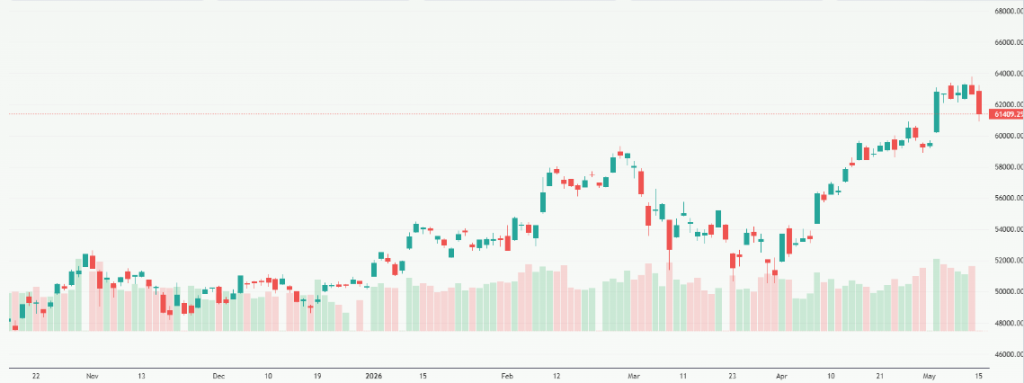
The Nikkei 225 slipped nearly 1% on May 18, 2026, falling about 589.72 points to close near 60,819.57. The decline came after a strong multi-week rally that pushed the index close to record territory earlier this month. Investors started booking profits as bond yields rose sharply in Japan.
Key Drivers Behind the Selloff
Selling pressure was broad-based. Export-heavy stocks and technology names led the losses. Higher yields reduced the appeal of equities, especially growth stocks that depend on future earnings. Global risk sentiment also turned cautious, adding to the downside momentum.
Traders reacted quickly to rising interest rates, which often signal tighter financial conditions. This shift made equities less attractive compared to safer fixed-income assets. The market behavior suggests a short-term cooling phase after an extended bullish run.
Japan 10-Year JGB Yield Hits 2.8%: 30-Year High
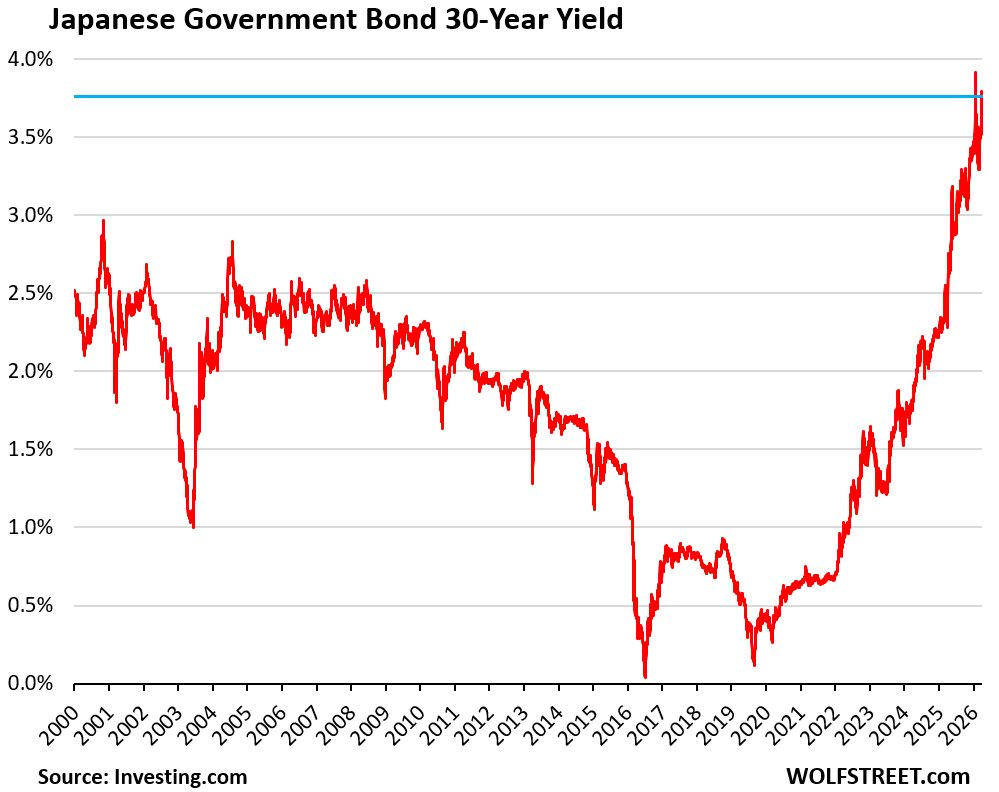
Japan’s 10-year government bond yield surged to around 2.8% on May 18, 2026. This marks the highest level seen in nearly 30 years, last observed around 1996-1997. The move signals a major shift in Japan’s long-term interest rate environment.
Why Yields are Rising?
The rise is driven by stronger inflation expectations and global bond market pressure. Energy prices remain elevated, and investors now expect more policy normalization from the Bank of Japan. Demand for long-term bonds has also weakened, pushing yields higher.
Higher yields mean borrowing costs are rising across the economy. This also changes how investors value equities, especially high-growth sectors. Bond markets are now offering more competitive returns, pulling capital away from stocks.
According to data from Japan’s Ministry of Finance, long-term yields have been rising steadily over recent months, reflecting a structural shift in monetary conditions.
Bank of Japan Policy Shift & Interest Rate Expectations
End of Ultra-Low Rate Era?
The Bank of Japan is gradually moving away from its long-standing ultra-loose policy. After years of negative or near-zero rates, policymakers have started allowing interest rates to normalize.
Recent rate adjustments and reduced bond-buying support have changed market expectations. Investors now believe the BoJ may continue tightening slowly if inflation remains above target.
This shift is important because Japan’s financial system has relied on cheap liquidity for decades. Higher rates now directly impact borrowing, investment, and stock valuations.
Markets are closely watching upcoming BoJ meetings for further signals. Even small policy changes are now enough to move both bond and equity markets sharply.
Global Spillover: Why Japan’s Bond Move Matters?
Japan’s rising bond yields are not an isolated event. Global bond markets are also under pressure due to inflation concerns and tighter monetary policies in major economies.
Higher yields in Japan add to a worldwide trend of rising borrowing costs. This affects global liquidity and investor behavior. When safe assets like government bonds offer higher returns, investors often reduce exposure to riskier equities.
This shift can influence capital flows across Asia and emerging markets. It also increases volatility in global stock indices. In simple terms, Japan’s bond market move reflects a broader global repricing of interest rates and inflation risk.
Sector Impact on Japanese Equities
Rising yields are reshaping sector performance in Japan. Financial stocks, especially banks, may benefit from higher interest margins. They can earn more from lending activities in a higher-rate environment.
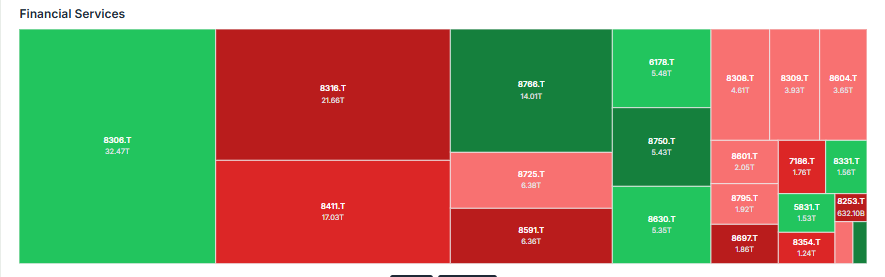
In contrast, technology and growth stocks are under pressure. Their valuations depend heavily on future earnings, which lose value when discount rates rise.
Export-oriented companies also face currency and demand uncertainty. This creates mixed performance across sectors.
Overall, the market is shifting from growth-driven leadership to more value-oriented sectors as interest rates rise.
Outlook for Nikkei 225 and Bond Markets
Short-Term Outlook
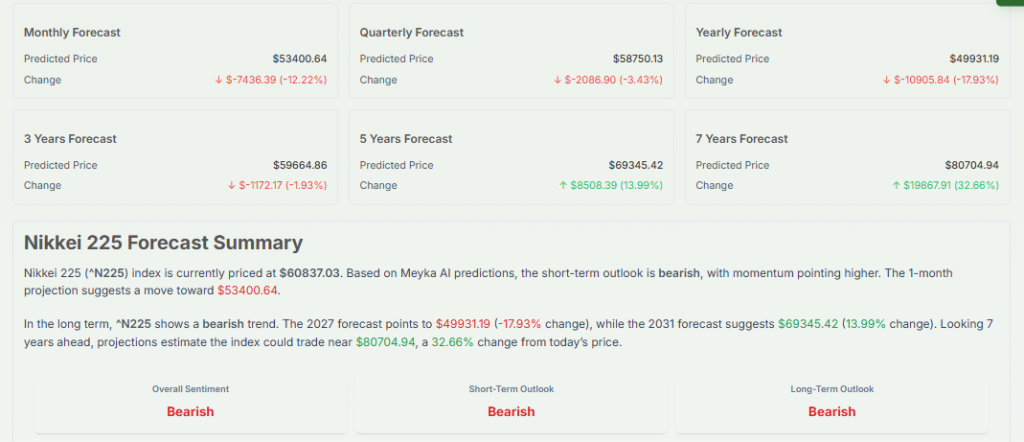
The near-term outlook for the Nikkei 225 remains volatile. After strong gains earlier in 2026, the index may enter a consolidation phase.
Bond yields could remain elevated if inflation stays sticky and global rates remain high. This keeps pressure on equity valuations.
Key Watch Factors
Key factors to watch include Bank of Japan policy signals, global oil prices, and US Federal Reserve decisions. These will strongly influence investor sentiment.
AI-based stock analysis tools, generally highlight increased volatility during rate-hike cycles and suggest cautious positioning until macro conditions stabilize.
For now, markets are driven more by interest rates than earnings growth.
Final Words
Japan’s financial markets are undergoing a major transition. The Nikkei 225 is cooling after a strong rally, while bond yields are rising to levels not seen in nearly 30 years. This combination is reshaping investor behavior and risk appetite. As interest rates continue to normalize, both stocks and bonds are adjusting to a new economic reality that demands more caution and selective investing.
Disclaimer:
The content shared by Meyka AI PTY LTD is solely for research and informational purposes. Meyka is not a financial advisory service, and the information provided should not be considered investment or trading advice.
What brings you to Meyka?
Pick what interests you most and we will get you started.
I'm here to read news
Find more articles like this one
I'm here to research stocks
Ask Meyka Analyst about any stock
I'm here to track my Portfolio
Get daily updates and alerts (coming March 2026)