Nikkei 225 Rises 1.21% to 69,564.78 but Tech Valuation Fears Keep Japan Stocks on Track for Weekly Loss

Key Points
Nikkei 225 rose 1.21% to 69,564.78 on July 3, 2026, led by tech stock gains.
Japan's stock market still remained on track for a weekly loss due to valuation concerns.
AI and semiconductor stocks continue to support the market's long-term growth outlook.
Investors are closely watching earnings, AI demand, and central bank policy for the next market move.
On July 3, 2026, Japan’s Nikkei 225 gained 1.21% to close at 69,564.78, bouncing back after several sessions of weakness. Buying returned to technology and semiconductor stocks, helping the index recover some of its recent losses.
Even so, concerns about stretched valuations after months of AI-driven gains continued to weigh on sentiment. Because of that, Japanese equities were still heading for a weekly loss. So, what is keeping investors cautious, and does this rebound have enough strength to continue?
Why Did the Nikkei 225 Rise 1.21% Today?
Strong rebound after recent technology sell-off
Japan’s Nikkei 225 rose 1.21% to 69,564.78 on July 3, 2026, recovering a portion of the losses from the previous trading session. Investors stepped back into technology and semiconductor stocks after heavy profit-taking earlier in the week.
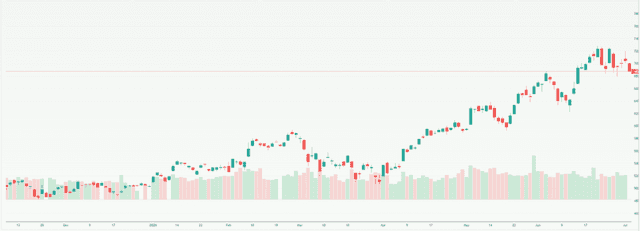
Stronger business activity across Asia and easing concerns over near-term U.S. monetary tightening also improved market sentiment. Reuters reported that better June business data and softer U.S. labor figures supported gains across Asian markets, including Japan. Even with the rebound, trading remained cautious as many investors questioned whether technology shares had climbed too far, too fast.
Why are Japanese Stocks Still Heading for a Weekly Loss?
Why are investors worried about technology valuations?
Friday’s rally was not enough to erase the week’s losses. Concerns over expensive technology stocks continued to shape investor decisions. AI-related companies have posted impressive gains throughout 2026, but many investors now believe share prices have outpaced the underlying business performance. That has led to repeated rounds of profit-taking after strong rallies.
Foreign investors have also been trimming their exposure to Japanese equities. Reuters reported that overseas investors recorded their biggest weekly net selling since March as enthusiasm around AI cooled and questions grew about returns from large-scale infrastructure spending.
Even with the recent selling, analysts remain optimistic about the longer-term picture. Many believe companies will need to deliver stronger earnings to support current valuations. Citi recently lifted its long-term Nikkei target to 90,000, saying continued earnings growth could keep the market moving higher despite short-term volatility.
Technology and Semiconductor Stocks Remain the Market Driver
Can AI stocks keep supporting the Nikkei?
Technology companies continue to drive Japan’s stock market. Semiconductor equipment makers, chip manufacturers, and AI-related firms are still benefiting from global spending on artificial intelligence infrastructure. Earlier this week, the Nikkei completed its strongest quarter on record, with technology stocks helping the index gain 37%.
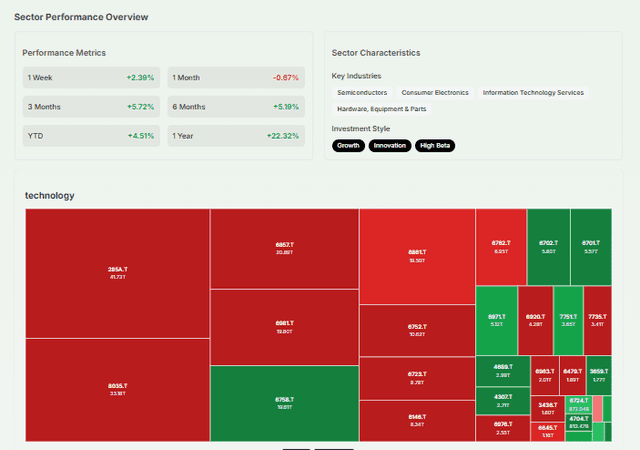
Recent price swings suggest investors are becoming more selective. Stocks with higher valuations have seen sharper moves as traders lock in profits after strong gains.
According to Meyka, the near-term view remains cautiously positive. Its technical analysis identifies support around the 67,000 level, while the overall trend remains positive if buyers continue to defend those levels. Meyka’s AI stock analysis tool also indicates that long-term sentiment remains favorable as long as corporate earnings continue to support current valuations.
What Investors Should Watch Next?
Which catalysts could move the Nikkei next?
Several factors could influence the Nikkei’s next move:
- Corporate earnings from major technology companies.
- Global demand for AI chips and semiconductor equipment.
- Bank of Japan and Federal Reserve policy decisions.
- Foreign investment flows into Japanese equities.
- Movements in the Japanese yen and global bond yields.
What Meyka says: Short-term volatility is likely to continue, but the overall trend remains positive if support levels hold and technology companies deliver solid earnings. Other market analysts also believe earnings growth will remain the main driver of future gains, even if valuation concerns continue to trigger periodic pullbacks.
Conclusion
The Nikkei 225 recovered strongly, showing that investors are still willing to buy into Japan’s long-term growth story. Even so, high technology valuations continue to limit confidence in the short term. The market’s next move will depend on corporate earnings, AI investment, and global economic conditions. If those factors remain supportive, Japanese stocks could regain momentum after this week’s profit-taking.
Disclaimer:
The content shared by Meyka AI PTY LTD is solely for research and informational purposes. Meyka is not a financial advisory service, and the information provided should not be considered investment or trading advice.
What brings you to Meyka?
Pick what interests you most and we will get you started.
I'm here to read news
Find more articles like this one
I'm here to research stocks
Ask Meyka Analyst about any stock
I'm here to track my Portfolio
Get daily updates and alerts (coming March 2026)