



Nikkei 225 Rises 1.20% to 68,557 as U.S. Semiconductor Rally Offsets ETF Redemption Selling

Key Points
Nikkei 225 rose 1.20% to 68,557.73 on July 10, 2026.
U.S. semiconductor gains lifted Japanese AI and chip stocks.
ETF redemption selling trimmed the index's intraday gains.
Investors now watch AI demand, U.S. earnings, and the 70,000 level.
On July 10, 2026, Japan’s Nikkei 225 climbed 1.20% to 68,557 after another strong session for U.S. semiconductor stocks lifted sentiment across Asian markets. Chipmakers drove most of the gains as Wall Street’s technology rally continued on growing demand for artificial intelligence. Even so, ETF redemption-related selling trimmed part of the market’s early advance. Below is a closer look at what pushed the index higher, which stocks led the move, and what investors are watching next.
Why the Nikkei 225 Climbed Despite Afternoon Selling?
What pushed Japanese stocks higher?
The Nikkei 225 finished the day 1.20% higher at 68,557.73 on July 10, 2026. Investor confidence improved after another overnight rally in U.S. semiconductor stocks, with technology companies leading Wall Street higher. Optimism around artificial intelligence continued to support demand for chip-related shares.
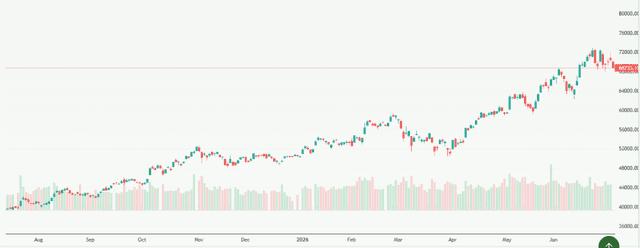
Japanese semiconductor equipment makers followed the same trend as investors expected AI spending to remain strong. SoftBank Group rose more than 10%, while Tokyo Electron added about 2.7%, helping the Nikkei outperform several other Asian markets. Foreign investors also increased their buying activity during the session, giving the market a strong start. Although the index pulled back from its intraday high, buying interest remained firm through the close.
ETF Redemption Selling Limited the Rally
Why did the market lose part of its gains?
The Nikkei opened with solid momentum but surrendered some of its gains during afternoon trading as ETF redemption selling picked up. These redemptions require fund managers to sell underlying holdings to meet investor withdrawals or scheduled distributions, which can temporarily increase selling pressure.
Some traders also locked in profits after the recent run-up in Japanese technology stocks. Market analysts said the selling reflected routine portfolio adjustments rather than weakening confidence in Japanese equities. Demand linked to artificial intelligence, stronger corporate earnings, and continued foreign investment still support the market over the medium term.
Top Stocks Driving the Nikkei Higher
Which companies led the rally?
Semiconductor and AI-related companies stayed at the front of the market.
The biggest gainers included:
- SoftBank Group, supported by renewed optimism around AI investments.
- Tokyo Electron, as demand for semiconductor equipment remained strong.
- Advantest, helped by expectations for higher demand for chip testing equipment.
- Other semiconductor equipment makers also attracted steady buying.
Outside the technology sector, trading was more mixed. Some retail and financial stocks finished lower as investors continued to favour growth shares. The broader TOPIX gained less than the Nikkei, showing that semiconductor companies accounted for most of the market’s advance.
According to Meyka’s AI stock analysis tool, the Nikkei’s short-term trend remains positive while semiconductor stocks continue to lead the market. Its technical analysis suggests the index is holding above an important support level after recent swings. Meyka also says that expectations for AI-driven earnings continue to support the market.
Other market analysts hold a similar view. Citi recently lifted its Nikkei 225 target to 90,000, pointing to stronger earnings expectations and continued momentum in Japan’s technology sector.
What Investors Should Watch Next?
Can the Nikkei move back above 70,000?
The next major test for the market will come from the U.S. earnings season, particularly results from large technology and semiconductor companies. Strong earnings could provide another boost for Japanese chipmakers.
Investors will also keep an eye on:
- Global AI investment trends.
- Foreign institutional fund flows.
- Bank of Japan policy decisions.
- Movements in the Japanese yen.
A weaker yen usually benefits Japan’s exporters. If demand for AI technology stays strong, the Nikkei could make another attempt to move above the 70,000 level in the weeks ahead.
Conclusion
The Nikkei 225 finished the week higher as strength in global semiconductor stocks outweighed selling linked to ETF redemptions. Artificial intelligence remains the main driver behind technology shares, while foreign investors continue to support the market. If corporate earnings meet expectations and demand for AI stays firm, the index could test the 70,000 mark again despite periods of profit-taking.
Disclaimer:
The content shared by Meyka AI PTY LTD is solely for research and informational purposes. Meyka is not a financial advisory service, and the information provided should not be considered investment or trading advice.
What brings you to Meyka?
Pick what interests you most and we will get you started.
I'm here to read news
Find more articles like this one
I'm here to research stocks
Ask Meyka Analyst about any stock
I'm here to track my Portfolio
Get daily updates and alerts (coming March 2026)