



Nikkei 225 Falls 931 Points to 67,470.69 as Tech Stocks Drag Japan and South Korea Markets Lower

Key Points
Nikkei 225 dropped 931 points to 67,470.69 after reaching a record high.
Technology and semiconductor stocks led the market selloff across Japan.
SoftBank shares plunged more than 10%, weighing heavily on the index.
South Korea's Kospi also declined as AI and chip stocks faced profit-taking pressure.
Asian stock markets came under pressure on June 4, 2026, as Japan’s Nikkei 225 tumbled 931 points to 67,470.69, ending a powerful rally that had pushed the index to record highs just a day earlier.
Technology and semiconductor stocks led the decline, while South Korea’s market also moved lower amid growing concerns about AI-related valuations and global economic uncertainty. The sharp selloff has raised new questions about whether Asia’s tech-driven market surge can maintain its momentum.
Why the Nikkei 225 Dropped 931 Points After Reaching Historic Highs?
From Record-Breaking Rally to Sudden Pullback
Japan’s Nikkei 225 suffered a sharp reversal on June 4, 2026, falling 931 points to 67,470.69 after reaching record highs above 68,000 during the previous session. The decline came just one day after investors celebrated another milestone in the market’s AI-driven rally.
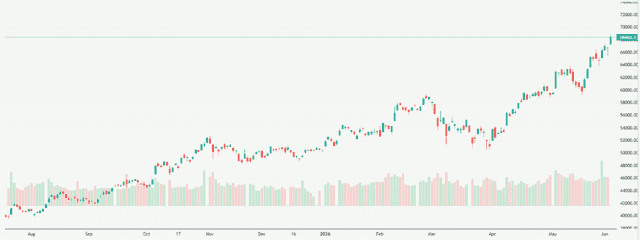
The benchmark index had gained strongly throughout May and early June. Technology and semiconductor stocks fueled much of that growth. However, markets often become vulnerable when valuations rise too quickly. Analysts noted that the Nikkei was trading well above its recent average levels, increasing the risk of a correction.
Why Did Investors Start Selling?
Profit-taking was a major factor. Many investors chose to lock in gains after weeks of strong advances. Concerns also emerged about whether AI-related stocks had moved too far, too fast.
According to Reuters, the Nikkei’s record run was largely powered by AI-linked shares and SoftBank’s surge in market value. Once sentiment shifted, those same stocks became the biggest losers.
Tech Stocks Lead the Market Decline Across Japan
SoftBank Suffers Double-Digit Losses
SoftBank Group was one of the hardest-hit stocks during the selloff. Shares fell more than 10%, making it the largest drag on the Nikkei 225.
The company had recently become Japan’s most valuable listed firm thanks to investor enthusiasm surrounding artificial intelligence investments. That strong rally left the stock exposed when market sentiment weakened.
Semiconductor and Electronics Shares Under Pressure
The decline spread across Japan’s technology sector. Several major names posted notable losses, including:
- Fujikura
- Murata Manufacturing
- Taiyo Yuden
- Furukawa Electric
- Ibiden
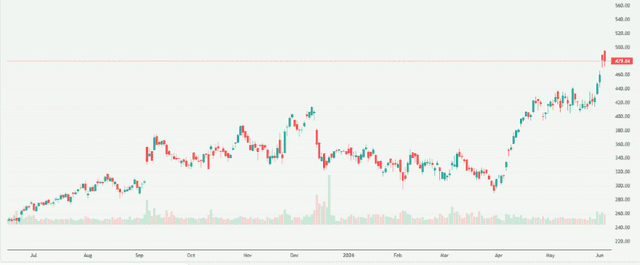
A key trigger was Broadcom’s latest earnings report. Although the U.S. chip giant reported strong AI revenue growth, investors were disappointed that its outlook failed to exceed elevated expectations. Broadcom shares dropped sharply in after-hours trading, sending shockwaves through semiconductor markets across Asia.
South Korea’s Kospi Joins the Regional Selloff
Korean Technology Stocks Mirror Japanese Weakness
The selloff was not limited to Japan. South Korea’s Kospi index also moved lower as investors reduced exposure to semiconductor and AI-related companies.
Korean chipmakers and technology firms had benefited from the same AI boom that lifted Japanese equities. When sentiment turned negative, both markets experienced similar pressure.
Is the AI Trade Losing Momentum?
Not necessarily. Most analysts view the move as a short-term reset rather than a collapse in the AI investment theme.
An increasing number of investors now use an AI stock analysis tool alongside traditional research methods to evaluate valuation risks and growth opportunities. Even after the latest pullback, many experts believe long-term demand for AI infrastructure, data centers, and advanced semiconductors remains strong.
Global Factors Adding Pressure to Asian Markets
Rising Geopolitical Risks Shake Investor Confidence
Market concerns extended beyond technology earnings. Renewed tensions involving the United States and Iran pushed oil prices higher and increased uncertainty across global financial markets.
Higher energy prices can fuel inflation and reduce investor appetite for risk assets such as growth stocks.
Wall Street Weakness Spills Into Asia
Asian markets also reacted to losses on Wall Street. U.S. stocks retreated after Broadcom’s results and renewed geopolitical concerns weighed on investor sentiment.
The technology sector remains highly interconnected. Weakness in major U.S. chip stocks often affects semiconductor companies across Japan, South Korea, and Taiwan.
According to Saxo Bank’s June 4 market update, investors are closely watching whether the recent AI rally can continue after this period of profit-taking and uncertainty.
Nikkei 225: What Investors Should Watch Next?
Key Market Catalysts Ahead
Several factors could determine the Nikkei’s next move:
- Future AI spending trends.
- Semiconductor demand growth.
- Upcoming U.S. economic data.
- Oil price movements.
- Developments in Middle East tensions.
Technical analysts are also monitoring whether the Nikkei can maintain support above the 67,000 level. A successful hold could help stabilize sentiment after the sharp decline.
Conclusion
The Nikkei 225’s 931-point fall highlights how quickly market sentiment can change after a powerful rally. Profit-taking, weaker-than-expected enthusiasm around Broadcom’s outlook, and geopolitical uncertainty combined to trigger selling across Asia.
While the short-term outlook remains volatile, the long-term AI investment story is still intact. Investors should focus on earnings trends, semiconductor demand, and global economic developments to assess whether this decline becomes a temporary pause or a deeper market correction.
Disclaimer:
The content shared by Meyka AI PTY LTD is solely for research and informational purposes. Meyka is not a financial advisory service, and the information provided should not be considered investment or trading advice.
What brings you to Meyka?
Pick what interests you most and we will get you started.
I'm here to read news
Find more articles like this one
I'm here to research stocks
Ask Meyka Analyst about any stock
I'm here to track my Portfolio
Get daily updates and alerts (coming March 2026)