



New Zealand Shares Unchanged While Asian Equities Retreat on Semiconductor Stock Sell-Off

Key Points
New Zealand shares remained largely unchanged despite a broad decline across Asian stock markets.
Semiconductor stocks in South Korea, Japan, and Taiwan led regional losses amid renewed AI valuation concerns.
Investors reacted to China's growing chip industry and uncertainty over future AI infrastructure spending.
Markets are now watching Fed policy, tech earnings, and semiconductor demand for the next direction.
On July 28, 2026, New Zealand shares held steady while most Asian stock markets slipped during a broad semiconductor sell-off. Sharp declines in major chipmakers across Japan, South Korea, and Taiwan weakened investor sentiment and renewed concerns about technology stock valuations. Even as regional markets struggled, New Zealand remained relatively stable. So, what helped the NZX hold its ground, and what does the latest market movement suggest for investors across Asia?
New Zealand Shares Hold Steady Despite Regional Market Weakness
Why Did New Zealand Shares Remain Stable?
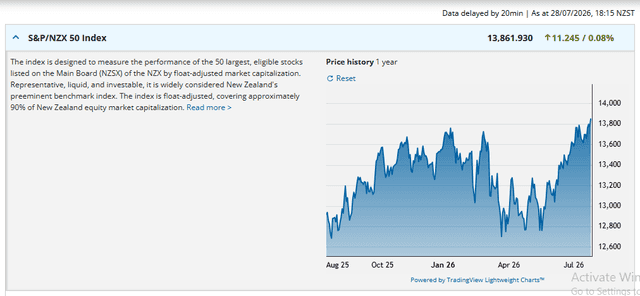
New Zealand shares held up well on July 28, 2026, despite heavy selling across technology-focused Asian markets. The NZX 50 ended the session with little change, helped by its limited exposure to semiconductor companies. Instead, the index is weighted more toward utilities, healthcare, infrastructure, and consumer businesses. Those sectors tend to be less sensitive to swings in global technology stocks, which helped keep market volatility in check.
NZX 50 Outperformed Regional Peers
Markets in South Korea, Japan, and Taiwan all came under pressure as chip stocks fell, but New Zealand avoided the same broad decline. Investors stayed focused on domestic economic conditions instead of reacting to the global AI-driven technology trade. That mix of sectors helped the NZX 50 perform better than several major Asian benchmarks during Tuesday’s trading session.
Semiconductor Stock Sell-Off Drags Asian Equities Lower
Why are Semiconductor Stocks Falling?
Chipmakers across Asia faced heavy selling as investors reassessed the strong rally that had been driven by artificial intelligence. Many questioned whether semiconductor valuations had climbed too far, too quickly. Reports that China has expanded its domestic chip manufacturing also added pressure by increasing competition for established producers.
Investors were also cautious about the massive funding needed to support the next phase of AI infrastructure, leading many to reduce exposure to semiconductor stocks.
South Korea and Japan Lead Regional Losses
South Korea recorded some of the steepest declines as major chipmakers posted double-digit losses, dragging the broader market lower.
Key market moves included:
- Samsung Electronics fell about 13.4%.
- SK Hynix dropped nearly 14.7%.
- Japan’s Nikkei 225 declined around 4%.
- Tokyo Electron and Kioxia also recorded sharp losses.
- Taiwan’s semiconductor sector weakened as investors pulled back from AI-related stocks.
The session showed how strongly Asian markets continue to respond to changes in semiconductor demand and expectations for future AI spending.
Global Factors Driving Market Volatility
What Is Fueling Market Uncertainty?
Several global factors continue to influence investor sentiment. Markets are waiting for the latest U.S. Federal Reserve policy decision, with many traders expecting another interest rate increase. Higher borrowing costs could slow technology investment and put additional pressure on growth stocks.
Oil prices moved lower after tensions between the United States and Iran eased. Under normal conditions, cheaper oil can support equity markets, but that wasn’t enough to offset concerns about semiconductor valuations and AI spending. Investors also reacted to reports that Nvidia could provide substantial financing for AI data center expansion, raising fresh questions about how future projects will be funded.
New Zealand Shares: What Investors Should Watch Next?
The next few weeks could bring more market swings as investors track technology earnings, semiconductor demand, and central bank decisions. China’s progress in chip manufacturing will remain another area to watch. Investors looking for additional market insights can also use an AI stock analysis tool to compare technical indicators, company fundamentals, and broader market trends before making investment decisions.
Conclusion
New Zealand shares held up better than many Asian markets as semiconductor stocks came under renewed selling pressure. Even so, concerns about AI spending, increased competition from China, and uncertainty around interest rates continue to influence market sentiment. Upcoming corporate earnings, economic data, and developments in the semiconductor industry will likely shape the direction of regional markets in the weeks ahead.
Disclaimer:
The content shared by Meyka AI PTY LTD is for research and informational purposes only. Meyka is not a financial advisory service, and the information provided should not be treated as investment or trading advice.
What brings you to Meyka?
Pick what interests you most and we will get you started.
I'm here to read news
Find more articles like this one
I'm here to research stocks
Ask Meyka Analyst about any stock
I'm here to track my Portfolio
Get daily updates and alerts (coming March 2026)