Nasdaq Futures Rise 0.6% as Markets Rebound After Sharp Index Plunge; Oil Prices Jump on Israel-Iran Conflict

Key Points
Nasdaq futures rose 0.6% as markets attempted a recovery after last week’s sharp tech selloff.
Oil prices surged near $98 amid escalating Israel-Iran tensions and supply disruption fears.
Tech stocks showed a selective rebound while the energy sector gained strong momentum.
Inflation risks rise as higher crude prices may delay expected Fed rate cuts and increase volatility.
On June 8, 2026, Nasdaq futures rose about 0.6% in early trading as global markets attempted a rebound after a sharp selloff last week. The move comes as investors react to renewed geopolitical tensions between Israel and Iran, which pushed crude oil prices higher. Energy markets jumped while risk sentiment stayed fragile. Traders are watching whether this recovery can hold as volatility continues across stocks and commodities.
Global Market Rebound After Tech-Driven Selloff
Nasdaq Futures Lead Recovery
Nasdaq futures rose around 0.6% on June 8, 2026, as markets tried to stabilize after last week’s sharp tech selloff. The earlier drop was driven by profit-taking in AI-heavy stocks and concerns about high valuations in growth sectors. S&P 500 futures also showed a mild recovery, while Dow futures remained mostly flat.
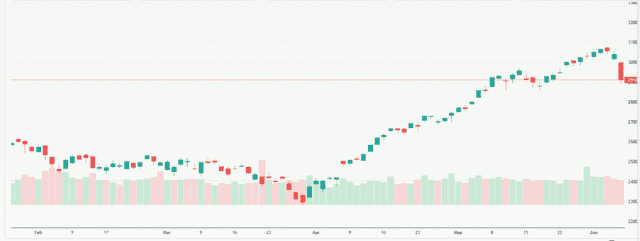
The rebound came after a near 1% decline in the Nasdaq Composite in the previous session, reflecting increased volatility in technology shares. Investors stepped back in selectively, focusing on quality large-cap tech companies with strong earnings visibility.
What is driving this rebound?
The recovery is being supported by:
- Bargain buying in oversold semiconductor stocks
- Slight easing in bond yield pressure
- Short-term stabilization after heavy institutional selling
According to broad market coverage from financial desks such as Reuters and WSJ, sentiment remains cautious despite the bounce.
Israel-Iran Conflict Fuels Oil Price Surge
Why are oil prices rising so fast?
Oil prices jumped sharply as geopolitical tensions escalated between Israel and Iran in early June 2026. Brent crude moved close to $97-98 per barrel, while WTI traded near $94-95 per barrel, marking one of the strongest daily gains in weeks.
Markets reacted strongly to fears of disruption in Middle East supply routes, especially the Strait of Hormuz, which handles a large share of global oil shipments. Even a small risk of blockage has triggered a risk premium in energy markets.
How serious is the supply risk?
Key concerns include:
- Potential shipping delays in key oil corridors
- Rising insurance and transport costs
- Increased volatility in global energy pricing
Energy analysts suggest that if tensions persist, crude could test the $100 level again, reviving inflation pressure worldwide.
Sector-Wise Market Impact – Tech vs Energy Divergence
Why are tech and energy moving in opposite directions?
Markets are showing a clear split. Technology stocks are attempting to recover after heavy selling, while energy stocks are gaining strength due to rising oil prices.
Tech shares, especially AI and semiconductor companies, were hit hard in the previous week due to valuation concerns and rising interest rate expectations. However, selective buying is returning as investors look for long-term growth opportunities.
Energy stocks, on the other hand, are benefiting directly from crude oil gains. Higher oil prices improve revenue expectations for major producers and refiners.
A recent AI stock analysis tool used by institutional traders highlights that volatility in Nasdaq-heavy tech stocks remains elevated, while energy names show stronger short-term momentum signals. This divergence is now shaping global sector rotation strategies.
Macroeconomic Risks – Inflation, Fed Policy & Global Growth
Will rising oil trigger inflation again?
Yes, higher crude prices are a major inflation risk. Energy costs affect transport, food, and manufacturing. If oil stays near $100, inflation could rise again in the coming months.
What could the Federal Reserve do next?
Stronger inflation pressure may delay interest rate cuts. Treasury yields are already reacting, tightening financial conditions.
What about global growth?
Geopolitical instability adds pressure on emerging markets and global trade. Investors are becoming more defensive, focusing on cash flow and safe-haven assets instead of high-growth risk trades.
Conclusion
Global markets remain highly sensitive to both geopolitical risk and monetary policy expectations. Nasdaq futures show short-term recovery, but oil’s sharp rise highlights persistent inflation concerns. The Israel-Iran conflict adds another layer of uncertainty for investors worldwide. Until energy prices stabilize and central banks gain clearer inflation control, markets are likely to stay volatile with sharp moves in both directions.
Disclaimer:
The content shared by Meyka AI PTY LTD is solely for research and informational purposes. Meyka is not a financial advisory service, and the information provided should not be considered investment or trading advice.
What brings you to Meyka?
Pick what interests you most and we will get you started.
I'm here to read news
Find more articles like this one
I'm here to research stocks
Ask Meyka Analyst about any stock
I'm here to track my Portfolio
Get daily updates and alerts (coming March 2026)