



Hormuz Crisis Escalates as US Airstrikes Strike Northern Iran, Ship Disabled During Blockade

Key Points
US expanded airstrikes into northern Iran on July 16, 2026, marking a major escalation in the Hormuz crisis.
A ship was disabled while attempting to breach the Strait of Hormuz blockade, increasing maritime security risks.
Global oil and shipping markets face renewed pressure as vessel traffic through the strait slows.
Investors are closely watching oil prices, diplomatic efforts, and the risk of a wider Middle East conflict.
The Hormuz crisis intensified on July 16, 2026, after the United States launched airstrikes in northern Iran and disabled a vessel while enforcing the Strait of Hormuz blockade. The latest military action has increased concerns about a wider regional conflict and possible disruptions to global energy supplies.
With nearly one-fifth of the world’s oil moving through this narrow waterway, governments, investors, and shipping companies are watching developments closely for any impact on energy markets and international trade.
US Expands Military Campaign Beyond Southern Iran
Why did the US strike northern Iran?
On July 16, 2026, the United States expanded its military operation by striking sites in northern Iran, including locations near Tehran and Semnan. U.S. officials said the targets included military facilities connected to missile operations and attacks on commercial shipping.
Until now, most operations had focused on southern Iran and the Persian Gulf. The latest strikes show that Washington is widening its military response after a series of incidents affecting maritime traffic in the region.
Disabled ship raises maritime tensions
U.S. forces also disabled the Curacao-flaged oil tanker Belma, saying the vessel ignored repeated warnings while attempting to reach Iran’s Kharg Island terminal. Officials said the move was part of efforts to enforce the renewed naval blockade and stop possible sanctions violations. The incident has added to concerns about the safety of commercial vessels operating near the Strait of Hormuz.
Why the Strait of Hormuz Remains the World’s Most Critical Energy Chokepoint?
Why is the Strait of Hormuz so important?
The Strait of Hormuz is one of the world’s busiest energy routes. About 20% of global oil and gas shipments pass through it each day. Even limited disruptions can push oil prices higher, increase shipping costs, and affect fuel markets worldwide. Many countries across Asia and Europe depend on this route for crude oil and liquefied natural gas imports, making any disruption a concern for governments and businesses alike.
Shipping activity slows sharply
The conflict has already affected vessel traffic. Reuters reported that only seven ships passed through the strait on July 15, down from 13 ships the previous day. No Very Large Crude Carriers (VLCCs) or LNG tankers made the transit during that period. Shipping companies are also reviewing routes as insurance premiums rise and security risks increase.
Iran’s Response and Regional Security Risks
How has Iran responded?
Iran responded to the latest U.S. military action with missile and drone attacks targeting U.S.-linked facilities in Bahrain, Jordan, and Kuwait, according to multiple reports. Iranian officials have warned that further military pressure could lead to additional retaliation across the region. Those developments have raised concerns that the conflict could spread beyond the Gulf if tensions continue to rise.
Diplomatic efforts face fresh pressure
The latest escalation has reduced hopes for an immediate diplomatic solution. Regional governments continue to call for restraint while monitoring the situation closely. Global markets remain cautious because a prolonged conflict could interrupt energy exports, raise inflation, and slow economic growth if shipping through the Strait of Hormuz remains disrupted.
Economic Impact: Oil Prices, Shipping and Global Markets
Energy markets react quickly
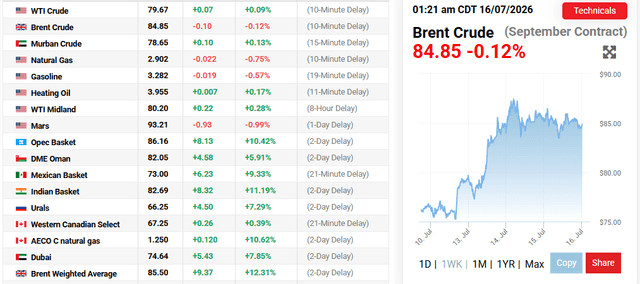
Oil prices continue to respond to every development in the Strait of Hormuz. Brent crude has traded above $85 per barrel, reflecting concerns about possible supply disruptions, although prices remain below the highs reached earlier this year. Higher freight charges and rising shipping insurance costs are also increasing expenses for countries and businesses that rely on imported energy.
Investors move toward safer assets
As geopolitical risks increase, investors are shifting money into gold, the U.S. dollar, and defense-related stocks. Shipping companies and airline stocks are also under close watch because higher fuel prices could affect profits. Many investors now use an AI stock analysis tool alongside traditional market research to better understand how geopolitical events may influence sectors and overall market performance.
What Investors and Businesses Should Watch Next?
The next few days are likely to shape the direction of the Hormuz crisis. Investors will be watching for further U.S. military operations, Iranian naval activity, changes in shipping traffic through the strait, and any diplomatic talks. Oil inventory data, energy prices, and statements from major oil-producing countries will also help determine how markets respond in the near term.
Conclusion
The Hormuz crisis has become a growing concern for energy markets, shipping companies, and investors around the world. Any further military escalation could keep oil prices volatile and disrupt trade through one of the world’s busiest energy routes.
At the same time, diplomatic progress could ease market pressure. For now, businesses and investors will continue tracking military developments, shipping activity, and energy market trends closely.
Disclaimer:
The content shared by Meyka AI PTY LTD is for research and informational purposes only. Meyka is not a financial advisory service, and the information provided should not be treated as investment or trading advice.
What brings you to Meyka?
Pick what interests you most and we will get you started.
I'm here to read news
Find more articles like this one
I'm here to research stocks
Ask Meyka Analyst about any stock
I'm here to track my Portfolio
Get daily updates and alerts (coming March 2026)