
Key Points
FTSE 100 gains 0.2% despite renewed US-Iran tensions.
Deal optimism and diplomatic hopes support investor sentiment.
Brent crude holds above $91 per barrel amid supply concerns.
Energy and defensive stocks lead gains across the UK market.
The FTSE 100 edged 0.2% higher on June 10, 2026, showing resilience even as tensions between the United States and Iran continued to raise concerns across global markets. Investors looked beyond geopolitical risks and focused on growing optimism surrounding potential diplomatic progress and trade-related developments.
Rising oil prices remained in focus, but confidence in a possible resolution helped support UK equities. So, what is driving this cautious market optimism, and what could it mean for investors in the days ahead?
Why the FTSE 100 Advanced Despite Rising US-Iran Tensions?
Investors Focus on Diplomatic Progress Rather Than Conflict
The FTSE 100 rose about 0.2% on June 10, 2026, even as fresh military exchanges between the United States and Iran increased uncertainty across global markets. Investors appeared more focused on signs that diplomatic channels remain open than on the latest escalation. Market participants believe both sides still have strong reasons to avoid a prolonged conflict that could disrupt global energy supplies.
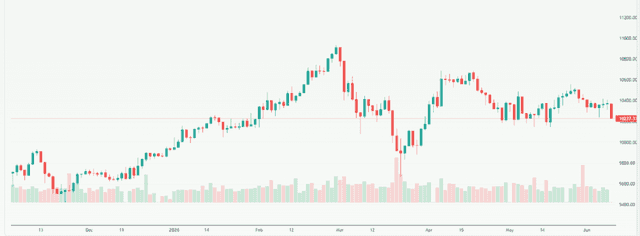
Recent reports suggest that negotiations and back-channel discussions continue despite military actions. This has helped maintain investor confidence and prevented a broad selloff in European equities. Markets often react not only to current events but also to expectations about future outcomes. In this case, hopes for a deal helped offset geopolitical concerns.
European Markets Show Relative Strength
European stocks remained surprisingly resilient. The STOXX Europe 600 gained roughly 0.1%, while the FTSE 100 and FTSE 250 both advanced around 0.2%. Defensive sectors such as healthcare, utilities, and consumer staples attracted investor interest during the uncertain environment.
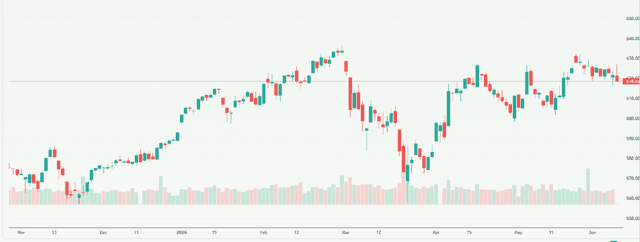
The UK market also benefited from its heavy exposure to energy and defensive companies. These sectors typically perform better when geopolitical risks rise and oil prices remain elevated.
US-Iran Conflict and Its Impact on Global Financial Markets
Latest Escalation Raises Energy Supply Concerns
The latest conflict developments have once again drawn attention to the Strait of Hormuz. Nearly one-fifth of the world’s oil supply passes through this critical shipping route. Any disruption could have major consequences for global energy markets.
Iran launched missile and drone attacks against U.S. targets following American strikes on Iranian military infrastructure. While the situation remains tense, traders have not yet priced in a worst-case scenario.
Oil Prices Remain the Key Market Indicator
Oil continues to be the most important market signal. Brent crude traded between $91 and $92 per barrel on June 10. Prices remain elevated compared with earlier months but have avoided a sharp spike.
Analysts note that traders are balancing two competing factors:
- Risks to Middle East supply routes.
- Expectations that negotiations could reduce tensions.
This balance has prevented oil from moving significantly higher despite ongoing hostilities.
Investor Sentiment Remains Cautiously Positive
Markets remain cautious but not fearful. Investors are closely watching inflation, central bank policy, and geopolitical headlines. Positive developments related to diplomacy have repeatedly supported risk assets throughout recent weeks.
Top FTSE 100 Sectors and Stocks Driving Performance
Defensive Stocks Provide Stability
Defensive companies played a key role in supporting the index. Consumer staples, healthcare firms, and utility providers attracted investors seeking stability. These businesses generally maintain steady earnings even during economic uncertainty.
Energy Stocks Benefit from Elevated Oil Prices
Energy giants such as Shell and BP gained support from higher crude prices. Rising oil prices can improve revenue and profit expectations for producers, making the sector attractive during geopolitical crises.
Corporate News Influences Individual Movers
Not all stocks participated in the rally. WH Smith experienced significant pressure after lowering guidance and announcing a capital raise. The stock fell sharply and became one of the session’s biggest laggards.
Investors also continued to monitor earnings updates and sector-specific developments. Many traders now use an AI stock analysis tool alongside traditional research methods to evaluate changing market conditions faster.
FTSE 100: What Investors are Watching Next?
Key Events Likely to Shape FTSE Direction
Several catalysts could determine the FTSE 100’s next move:
- Further developments in US-Iran negotiations.
- Security conditions around the Strait of Hormuz.
- Upcoming U.S. inflation reports.
- Central bank policy decisions.
- Oil price volatility and energy market trends.
Investors will also watch whether European equities can maintain resilience if geopolitical tensions continue to rise.
Final Words
The FTSE 100’s gain on June 10 demonstrates that markets are looking beyond immediate geopolitical headlines and focusing on potential diplomatic outcomes. While tensions between the United States and Iran remain a significant risk, investors are encouraged by signs that negotiations could continue.
Oil prices, inflation data, and developments in the Middle East will remain the key factors influencing market sentiment and the direction of UK equities in the weeks ahead.
Disclaimer:
The content shared by Meyka AI PTY LTD is solely for research and informational purposes. Meyka is not a financial advisory service, and the information provided should not be considered investment or trading advice.
What brings you to Meyka?
Pick what interests you most and we will get you started.
I'm here to read news
Find more articles like this one
I'm here to research stocks
Ask Meyka Analyst about any stock
I'm here to track my Portfolio
Get daily updates and alerts (coming March 2026)