FTSE 100 Edges Higher 0.05% as U.S.-Iran Conflict Keeps Investors on Edge Despite Asian Selloff

Key Points
FTSE 100 rose 0.05% despite a broad selloff across Asian stock markets.
U.S.-Iran tensions kept investors cautious and supported demand for defensive sectors.
Higher oil prices boosted energy stocks, helping offset weakness in other sectors.
Geopolitical risks and inflation concerns remain the main drivers for UK market sentiment.
On 17 July 2026, the FTSE 100 inched up 0.05%, holding steady even as several Asian markets moved lower amid rising tensions between the United States and Iran. Investors stayed cautious as concerns over global economic growth and energy supplies continued to build. Even with the uncertain backdrop, London’s benchmark index found support from defensive sectors and energy stocks. The market’s performance reflected where investors were putting their money and what they expect could happen next.
Why the FTSE 100 Stayed Positive While Asian Markets Fell?
Why did geopolitical tensions dominate investor sentiment?
The FTSE 100 rose 0.05% on 17 July 2026, while major Asian markets dropped after fresh U.S. strikes on Iran added to geopolitical uncertainty. Investors feared the conflict could disrupt energy supplies and weigh on global economic activity.
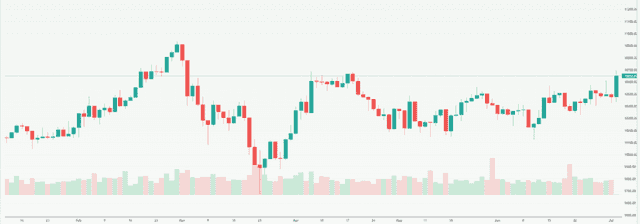
Rather than pulling out of UK equities, many shifted their investments into defensive sectors that tend to perform better during periods of uncertainty. That buying helped the FTSE outperform several overseas markets, showing that investors still viewed parts of the UK market as a relatively safer place to invest.
How did defensive sectors support London’s market?
Consumer staples, healthcare, and energy companies gave the FTSE 100 its biggest lift during the session. These sectors often hold up well when markets become volatile because demand for their products and services remains fairly stable.
The FTSE also has much less exposure to large technology companies than the Nasdaq or many Asian indices. That reduced the impact of the global semiconductor selloff. Gains in defensive stocks balanced losses in mining and technology shares, allowing the index to finish slightly higher.
Key Market Drivers Behind Today’s FTSE 100 Movement
How are oil prices influencing the FTSE 100?
Oil prices remained elevated as traders watched developments in the U.S.-Iran conflict and the possibility of supply disruptions around the Strait of Hormuz. Brent crude traded near $85 per barrel, providing support for London-listed energy giants such as BP and Shell. Higher oil prices can improve earnings for energy producers, although they also increase concerns about inflation, interest rates, and weaker consumer spending if prices remain high for an extended period.
Why is the global technology selloff important?
Technology stocks continued to struggle as weak sentiment around semiconductor companies spread through global markets. Chipmakers across Asia posted sizeable losses, pulling regional indices lower.
The FTSE 100 was less affected because technology companies make up a much smaller portion of the index than they do in the United States. That difference helped London avoid the heavier losses seen in technology-focused markets.
Why are investors favouring safe-haven assets?
Many investors shifted part of their portfolios into gold, defensive shares, and other lower-risk assets while waiting for more clarity from the Middle East. Markets are also watching upcoming economic reports and signals from central banks. The cautious approach reflects continuing uncertainty around inflation, interest rates, and global growth as geopolitical tensions remain elevated.
Stocks and Sectors Investors Should Watch
Energy and defence companies
Energy companies remain among the biggest winners if oil prices continue to rise. Defence stocks could also attract more investor interest as governments increase security spending during periods of geopolitical tension. These sectors often perform better when investors reduce risk and commodity prices climb because of supply concerns.
Consumer staples and financial stocks
Consumer staples continue to attract investors because they usually deliver steady earnings during uncertain market conditions. Financial stocks remain closely tied to bond yields and expectations for future interest rates. If higher energy costs keep inflation elevated, banks could see mixed results depending on loan demand and central bank policy.
What does Meyka say about the FTSE 100?
According to Meyka, the near-term outlook for the FTSE 100 remains cautiously positive as strength in energy stocks helps offset weakness in mining and technology shares. Its technical analysis points to continued resilience, although market volatility is still high.
Investors can use Meyka’s AI stock analysis tool alongside broader market research when assessing opportunities. Other market analysts also expect geopolitical developments to remain the main short-term driver of the index.
Conclusion
The FTSE 100 managed to post a small gain even as Asian markets came under pressure from renewed U.S.-Iran tensions. Support from energy and defensive stocks helped offset weakness in other sectors, while higher oil prices continued to shape market sentiment. In the days ahead, investors will be watching developments in the Middle East, corporate earnings, inflation data, and central bank signals for direction.
Disclaimer:
The content shared by Meyka AI PTY LTD is for research and informational purposes only. Meyka is not a financial advisory service, and the information provided should not be treated as investment or trading advice.
What brings you to Meyka?
Pick what interests you most and we will get you started.
I'm here to read news
Find more articles like this one
I'm here to research stocks
Ask Meyka Analyst about any stock
I'm here to track my Portfolio
Get daily updates and alerts (coming March 2026)