FTSE 100 Drops 0.29% Amid Fresh Iran-Qatar Mediation Efforts and Uncertainty Over Inflation Path

Key Points
FTSE 100 fell 0.29% as investors balanced geopolitical optimism with inflation concerns.
Iran-Qatar mediation talks improved sentiment but failed to lift UK stocks.
UK inflation and Bank of England policy remain the biggest drivers of market direction.
Defensive sectors outperformed, while mining and financial stocks faced selling pressure.
The FTSE 100 dropped 0.29% in early trading as investors weighed fresh diplomatic efforts between Iran and Qatar against ongoing concerns over the UK’s inflation outlook. The market remained cautious despite signs of easing geopolitical tensions, with attention shifting to upcoming economic data and the outlook for interest rates.
As of late June 2026, uncertainty over inflation and central bank policy continues to shape investor sentiment, making every new development a key driver of market direction.
Why the FTSE 100 Fell 0.29% Despite Diplomatic Optimism?
Market Performance at a Glance
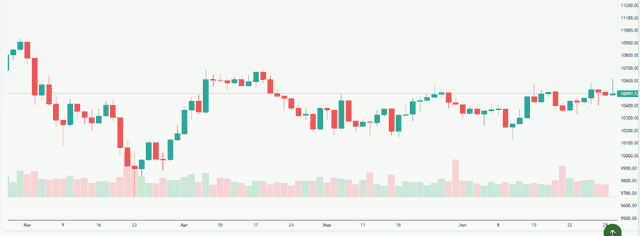
The FTSE 100 slipped 0.29% on July 1, 2026, as investors started the new quarter with caution. Germany’s DAX also edged lower, while France’s CAC 40 posted steeper losses. The British pound weakened slightly against the U.S. dollar, showing that investors preferred safer positions ahead of major economic updates. Markets remained sensitive to global manufacturing PMI data and fresh comments from Bank of England Governor Andrew Bailey on inflation.
Major Factors Behind the Decline
Several factors limited buying interest despite improving geopolitical headlines. Investors locked in profits after recent gains and waited for fresh UK inflation signals. Renewed Iran-Qatar mediation talks improved sentiment, but uncertainty over interest rates and economic growth continued to weigh on equities. Concerns about future monetary policy kept trading cautious across European markets.
Iran-Qatar Mediation Efforts Shift Investor Sentiment
What Do the Latest Diplomatic Developments Mean?
Fresh diplomatic talks in Doha raised hopes that tensions in the Middle East could ease further. Qatar hosted discussions involving Iranian representatives and U.S. envoys, aiming to reduce regional risks. Investors welcomed the talks because any progress could lower fears of energy supply disruptions through the Strait of Hormuz.
Why Do Markets Remain Cautious?
Markets still need concrete agreements before changing direction. Iranian officials continue to describe the Strait of Hormuz as an important strategic asset, leaving uncertainty around future oil supplies. Any disruption could quickly push energy prices higher and add fresh inflation pressure worldwide. That is why traders continue to balance optimism with caution.
Inflation Outlook Continues to Drive UK Market Direction
Why Is Inflation Still the Biggest Market Risk?
Inflation remains the biggest concern for UK investors. Bank of England Governor Andrew Bailey recently stressed that inflation risks have not disappeared. If price pressures remain stubborn, interest rates may stay higher for longer. Higher borrowing costs usually reduce company earnings and limit stock market gains. Investors are therefore watching every inflation update closely.
Why are Investors Closely Watching Economic Data?
Upcoming UK inflation figures and manufacturing PMI reports could shape expectations for future rate decisions. Bond yields and currency movements will also influence investor sentiment. Better-than-expected data may support confidence, while disappointing numbers could increase market volatility.
FTSE 100 Technical Snapshot – Meyka:
- Trend: Neutral
- Momentum: Neutral to bearish (RSI around 45)
- Recommendation: Hold and monitor support levels
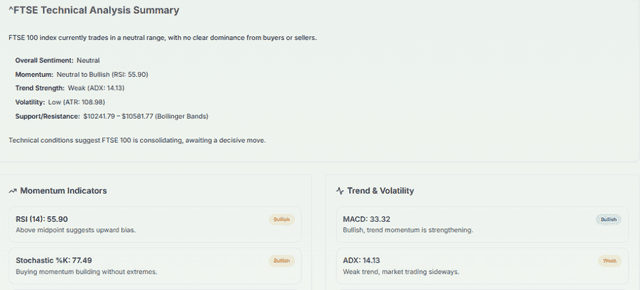
Meyka’s AI stock analysis tool suggests the index remains range-bound until stronger economic signals emerge. Other market analysts also expect inflation data and geopolitical developments to determine the next major move.
Top FTSE 100 Winners, Losers and Sector Performance
Sectors Under Pressure
Mining and financial shares led the decline as investors reduced exposure to economically sensitive sectors. Consumer-related stocks also traded cautiously because of concerns over future spending if borrowing costs stay elevated.
Defensive Stocks and Safe-Haven Rotation
Healthcare and utility companies attracted relatively steady demand as investors looked for defensive positions. Energy stocks remained mixed because oil prices continued to react to every headline from the Middle East. Defensive sectors helped prevent a deeper market decline despite broader weakness.
What Investors Should Watch Next?
Investors should monitor upcoming UK inflation data, manufacturing PMI releases, and future Bank of England guidance. Progress in Iran-Qatar mediation and oil price movements will also remain key market drivers. Any surprise in these areas could quickly change sentiment and determine the FTSE 100’s short-term direction.
Conclusion
The FTSE 100’s 0.29% decline shows that investors remain cautious despite renewed diplomatic efforts in the Middle East. Inflation, interest rate expectations, and geopolitical headlines continue to shape market sentiment. Until clearer economic data and stronger policy signals emerge, UK equities are likely to trade within a narrow range while investors focus on managing near-term risks.
Disclaimer:
The content shared by Meyka AI PTY LTD is solely for research and informational purposes. Meyka is not a financial advisory service, and the information provided should not be considered investment or trading advice.
What brings you to Meyka?
Pick what interests you most and we will get you started.
I'm here to read news
Find more articles like this one
I'm here to research stocks
Ask Meyka Analyst about any stock
I'm here to track my Portfolio
Get daily updates and alerts (coming March 2026)