



Evonik Shares Drop as Chemical Giant Plans 3,200 Job Cuts and Exit From Polyester Business by 2027

Key Points
Evonik shares fell after announcing 3,200 additional job cuts through 2029.
The company plans to exit its polyester business and close related operations by 2027.
Most layoffs will occur in Germany as part of a broader restructuring strategy.
Evonik targets higher profitability through cost savings, digitalization, and business optimization.
Evonik shares came under pressure on June 18, 2026, after the German chemicals giant announced plans to cut 3,200 additional jobs and exit its polyester business by 2027. The move is part of a broader effort to reduce costs and improve profitability in a challenging market. While the company hopes the restructuring will strengthen its long-term position, investors are weighing the risks and opportunities. Here’s what the latest announcement means for Evonik, its workforce, and the wider chemical industry.
Why did Evonik’s shares drop following the Announcement?
Market Reaction to the Restructuring Expansion
Evonik shares fell about 3% on June 18, 2026, after the company announced a major expansion of its restructuring program. Investors reacted cautiously to the news despite management’s efforts to improve long-term profitability.
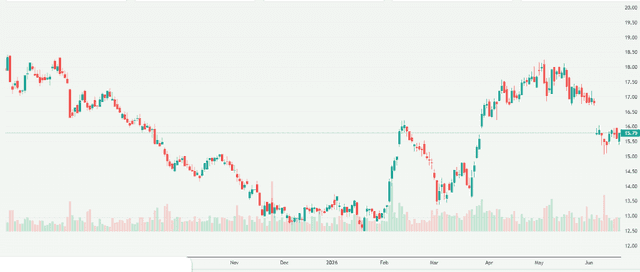
The market viewed the announcement as another sign that demand conditions remain weak across the global chemicals industry. The share decline reflected concerns about growth rather than the cost-saving measures themselves.
Key Reasons Behind the Sell-Off
Several factors drove the negative reaction:
- Weak economic growth in Europe and key industrial markets.
- Rising competition from lower-cost global producers.
- Ongoing pressure on chemical sector margins.
- Concerns about future revenue after the polyester business shutdown.
Investors are also watching whether restructuring can offset broader industry challenges in the coming years.
Evonik’s New Plan: 3,200 Additional Job Cuts by 2029
Breakdown of Workforce Reductions
Evonik announced plans to eliminate an additional 3,200 jobs worldwide between 2027 and 2029. Around 2,150 of those positions will be cut in Germany. The reductions will affect administrative departments and operational units across the business.
The company employed just over 31,000 people at the end of 2025. Management says the layoffs are necessary to create a leaner and more efficient organization capable of competing in a challenging global market.
How does this extend earlier cost-cutting efforts?
The latest announcement builds on Evonik’s existing restructuring program. The company was already on track to eliminate roughly 2,800 positions by the end of 2026. Combined, the various initiatives represent one of the largest transformations in Evonik’s history.
The broader strategy focuses on reducing costs, simplifying management structures, improving digital operations, and increasing efficiency throughout the organization.
Why Evonik Is Exiting the Polyester Business?
Financial Performance of the Polyester Segment
Evonik’s polyester business generates annual revenue of roughly €150 million. However, the unit has struggled to deliver acceptable returns. Management concluded that continuing operations would not create long-term value for shareholders.
The company has been reviewing the future of the business for several years as part of its broader portfolio optimization efforts.
Competitive and Structural Challenges
According to Evonik executives, the polyester business faces growing competitive pressure and unfavorable market conditions. The company cited structural disadvantages in Europe and worsening industry dynamics as key reasons for the exit.
Higher production costs, slower industrial growth, and intense global competition have made the segment increasingly difficult to sustain profitably.
Facilities and Employees Affected by the Polyester Shutdown
Germany and China Operations Impacted
The polyester closure will affect around 350 employees across Germany and China. The largest impact will be felt at Evonik’s Witten facility in Germany, which is scheduled to close in 2027 and employs 266 workers.
Additional reductions will affect approximately 45 positions in Marl, Germany, and 35 positions in Shanghai, China. The shutdown is part of Evonik’s effort to focus resources on higher-growth and higher-margin businesses.
The Bigger Picture: Challenges Facing Germany’s Chemical Industry
Economic Headwinds Across the Sector
Germany’s chemical sector continues to face difficult conditions. High energy costs, weaker industrial production, and supply-chain pressures have reduced competitiveness for many manufacturers.
Industry experts have warned that these issues could persist, forcing companies to make additional efficiency improvements in the years ahead.
Industry-Wide Restructuring Trend
Evonik is not alone. Many European chemical companies have launched restructuring programs as they adapt to changing market realities. Businesses are increasingly focusing on automation, digitalization, and cost reduction to protect margins.
These trends suggest that consolidation and workforce adjustments may continue across the sector.
What Evonik’s Long-Term Transformation Means for Investors?
Focus on Efficiency, Digitalization, and Outsourcing
Management plans to improve productivity through digitalization, outsourcing, and streamlined operations. These initiatives are designed to lower operating costs while improving organizational flexibility.
Companies across the chemical industry are increasingly using AI-driven tools to identify efficiency opportunities. An AI stock analysis tool can also help investors evaluate how restructuring programs may affect future earnings and valuation trends.
Growth Targets Beyond Restructuring
Evonik aims to increase core profit by €1 billion by 2027 through a combination of growth initiatives and cost savings. Management believes half of that improvement can come from internal growth and the remainder from optimization measures.
Some analysts remain cautious. For example, Berenberg recently lowered its target price on Evonik, citing concerns about pricing pressure and earnings risks. Still, management believes the restructuring will position the company for stronger long-term performance.
Conclusion
Evonik’s decision to cut 3,200 additional jobs and exit the polyester business marks another major step in its transformation strategy. The announcement triggered a short-term share decline, but management remains focused on improving efficiency and profitability.
With weak demand, high costs, and intense competition weighing on the chemical sector, the success of these measures will be closely watched. For investors, the key question is whether Evonik can convert aggressive restructuring into sustainable earnings growth by 2027 and beyond.
Disclaimer:
The content shared by Meyka AI PTY LTD is solely for research and informational purposes. Meyka is not a financial advisory service, and the information provided should not be considered investment or trading advice.
What brings you to Meyka?
Pick what interests you most and we will get you started.
I'm here to read news
Find more articles like this one
I'm here to research stocks
Ask Meyka Analyst about any stock
I'm here to track my Portfolio
Get daily updates and alerts (coming March 2026)