European Stocks Ease as STOXX 600 Falls 0.1%, DAX Drops 0.2% Before Key Federal Reserve Signals

Key Points
STOXX 600 slipped 0.1% as investors awaited fresh Federal Reserve signals.
Germany's DAX fell 0.2%, while other major European indices traded mixed.
Technology stocks led losses, with defensive sectors helping limit the decline.
Fed guidance, earnings, and economic data remain the key drivers for European markets.
European stocks slipped on July 7, 2026, as investors took a cautious approach ahead of fresh signals from the U.S. Federal Reserve. The pan-European STOXX 600 edged 0.1% lower, while Germany’s DAX fell 0.2% in early trading. Buying activity remained muted as traders looked for more clarity on the path of U.S. interest rates. Inflation, bond yields, and global growth expectations continued to shape market sentiment, making the Fed’s upcoming comments the main focus for investors.
European Stocks Slip as Investors Await Federal Reserve Guidance
STOXX 600 and Major European Index Performance
European markets opened slightly lower on July 7, 2026, as investors waited for the latest updates from the U.S. Federal Reserve. The STOXX 600 declined about 0.1% after reaching record levels in recent sessions. Germany’s DAX also slipped around 0.2%, while the FTSE 100 and CAC 40 traded with only modest changes.

Many investors chose to book profits rather than increase their exposure before the Fed released fresh policy signals and meeting minutes. At the same time, markets continued to react to movements in global bond yields and geopolitical developments, both of which remained on traders’ radar.
Why Does the Fed Matter for European Markets?
The Federal Reserve has a direct effect on financial markets around the world. When U.S. interest rates rise, the dollar often strengthens, Treasury yields move higher, and investors become more selective about holding riskier assets.
Because of that, European markets tend to respond quickly to changes in the Fed’s outlook. Traders are looking for fresh guidance on inflation, borrowing costs, and the direction of future rate decisions.
Key Drivers Behind Today’s European Market Weakness
Why Were Technology Stocks Under Pressure?
Technology stocks were among the weakest performers across Europe. Investors became more cautious after a strong rally in AI-related companies and questioned whether valuations had moved too far, too fast. Shares of semiconductor companies, including ASML and Infineon, declined and weighed on the broader technology sector.
Market analysts also pointed to a shift in investor positioning, with some funds moving money into sectors that appeared more reasonably valued after recent gains.
Which Sectors Helped Limit the Losses?
Selling was not spread evenly across the market. Consumer staples, luxury goods companies, and automobile manufacturers attracted buying interest as lower oil prices improved the outlook for consumer spending. Some energy stocks also remained supported by expectations for steady earnings.
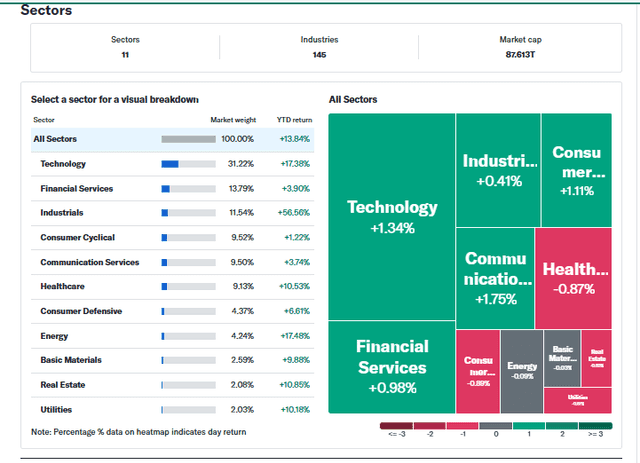
Those gains helped offset part of the weakness in technology shares and kept overall market losses relatively modest.
Bond Markets and Currency Remain in Focus
Rising U.S. Treasury yields continued to influence equity markets across Europe. Investors also kept a close watch on the stronger U.S. dollar, which affected global investment flows and export expectations.
Higher bond yields often encourage investors to shift part of their portfolios into fixed-income assets, especially when interest rates are expected to remain elevated for an extended period.
What Investors are Watching Next?
Could Federal Reserve Signals Move Markets?
Yes. Investors are waiting for any indication of how the Federal Reserve views inflation and future interest rate decisions. Even small changes in the central bank’s language can affect stock prices, bond yields, and currency markets within hours.
Any surprise in the Fed’s guidance could lead to increased volatility as investors adjust their expectations for the months ahead.
What Other Events Could Influence European Stocks?
Several scheduled events could shape market sentiment over the coming weeks, including:
- Second-quarter corporate earnings reports.
- Eurozone inflation and economic growth data.
- U.S. employment and inflation figures.
- Policy updates from central banks across Europe.
Many investors also use an AI stock analysis tool such as Meyka alongside traditional market research to monitor technical signals, market trends, and investor sentiment. Analysts believe earnings guidance and upcoming economic data will determine whether European stocks can build on their recent gains.
Conclusion
European stocks remained under pressure as investors waited for more clarity from the Federal Reserve. Technology shares accounted for much of the decline, while consumer-focused sectors helped limit broader losses. The next move in European markets will likely depend on the Fed’s policy signals, corporate earnings, and economic data due over the coming weeks.
Disclaimer:
The content shared by Meyka AI PTY LTD is solely for research and informational purposes. Meyka is not a financial advisory service, and the information provided should not be considered investment or trading advice.
What brings you to Meyka?
Pick what interests you most and we will get you started.
I'm here to read news
Find more articles like this one
I'm here to research stocks
Ask Meyka Analyst about any stock
I'm here to track my Portfolio
Get daily updates and alerts (coming March 2026)