BSE: Sensex Climbs 565.72 Points to 74,484.48 Despite Rising US-Iran Geopolitical Tensions

Key Points
Sensex surged 565.72 points to close at 74,484.48 despite global geopolitical concerns.
Banking, financial, and consumer stocks led gains, driving a broad-based market rally.
Investors overlooked rising US-Iran tensions, focusing instead on strong domestic fundamentals.
Crude oil prices and foreign investor activity remain key factors to watch for market direction.
India’s stock market showed strong resilience as the BSE Sensex jumped 565.72 points to close at 74,484.48, even as geopolitical tensions between the United States and Iran continued to raise concerns across global markets. On June 10, 2026, investors focused on positive domestic cues and strong buying in heavyweight stocks rather than external risks.
The sharp rally highlights growing confidence in Indian equities, but can this momentum continue if global uncertainty intensifies?
Sensex and Nifty End Strong as Investors Return to Risk Assets
Key Closing Numbers
The Indian stock market staged a strong comeback on June 10, 2026. The BSE Sensex jumped 565.72 points to close at 74,484.48, while the NSE Nifty traded above the 23,400 mark. The rally came just two days after the Sensex had dropped more than 719 points amid concerns over rising geopolitical tensions in the Middle East.
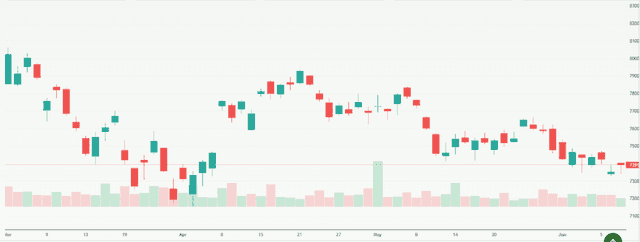
Market sentiment improved despite uncertainty overseas. Investors returned to large-cap stocks after recent volatility. Strong domestic participation helped offset concerns about global risk factors.
Stocks Driving the Rally
Heavyweight stocks played a major role in lifting the benchmarks. Key gainers included:
- Reliance Industries
- Hindustan Unilever (HUL)
- Major banking stocks
- Select financial services companies
Financials and consumer stocks attracted strong buying interest. Market breadth also improved, indicating that gains were not limited to a few companies. This broad participation strengthened confidence in the rally.
Why Markets Ignored Rising US-Iran Geopolitical Tensions?
Global Concerns Remain Elevated
Global markets remained cautious on June 10 as tensions between the United States and Iran intensified. Oil prices moved higher after reports of renewed military actions and concerns over shipping disruptions in the Strait of Hormuz.
Brent crude traded above $92 per barrel, while WTI crude approached $89 per barrel. Rising energy prices typically create inflation concerns for oil-importing countries such as India.
Domestic Factors Outweighed External Risks
Indian investors focused more on domestic strength than overseas uncertainty.
Several factors supported sentiment:
- Strong liquidity from domestic institutions
- Selective bargain buying after recent declines
- Confidence in India’s economic outlook
- Expectations of stable corporate earnings
The market had already absorbed significant geopolitical shocks earlier in the week. Many investors viewed the recent correction as a buying opportunity rather than a reason to exit positions.
Sector-Wise Performance and Market Leadership
Financials and Consumer Stocks Lead Gains
Banking and financial stocks led the market higher. PSU banks also saw renewed buying activity. Consumer-focused companies gained as investors sought stable earnings visibility. These sectors helped balance weakness seen in some export-oriented and technology shares.
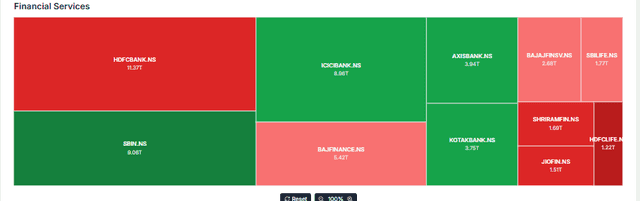
Sector Trends Worth Watching
Several themes continue to dominate investor attention:
- PSU banks remain among the strongest-performing sectors.
- Infrastructure and capital goods stocks are benefiting from government spending trends.
- Auto stocks remain resilient despite crude oil concerns.
- IT stocks face pressure from global growth uncertainties.
Investors are increasingly focusing on sectors tied to domestic demand rather than global trade cycles.
How Geopolitical Events Have Influenced Indian Markets in 2026?
Recent Market Volatility Linked to Middle East Developments
Geopolitical headlines have significantly influenced market direction throughout 2026. On June 8, the Sensex plunged 719 points as fears of escalating Middle East conflict triggered a broad selloff. Rising crude prices, foreign investor selling, and weaker global markets contributed to the decline.
Market capitalization losses exceeded ₹7 lakh crore during that session, highlighting how quickly sentiment can shift when geopolitical risks rise.
Lessons From Previous Recoveries
History shows that Indian markets often recover after geopolitical shocks when economic fundamentals remain intact.
Similar rebounds occurred earlier this year when ceasefire discussions between the US and Iran improved investor confidence. Market participants continue to differentiate between short-term geopolitical noise and long-term economic growth prospects.
Investors increasingly rely on data-driven platforms and AI stock analysis tools to monitor risk factors and identify opportunities during volatile periods.
Sensex: What Investors Should Watch Next?
Key Catalysts Ahead
Several factors could influence market direction in the coming sessions:
- Further developments in US-Iran relations
- Crude oil price trends
- Foreign institutional investor flows
- Inflation and interest-rate expectations
- Upcoming corporate earnings updates
Any major escalation in geopolitical tensions could increase volatility. However, continued domestic buying may help cushion downside risks.
Conclusion
The Sensex’s 565.72-point rally demonstrates the resilience of Indian equities even during periods of global uncertainty. While rising US-Iran tensions and higher oil prices remain key risks, investors chose to focus on strong domestic fundamentals and attractive valuations.
The market’s ability to recover quickly after recent losses suggests confidence remains intact. Going forward, geopolitical developments, crude oil movements, and institutional investment trends will be the most important drivers of market sentiment.
Disclaimer:
The content shared by Meyka AI PTY LTD is solely for research and informational purposes. Meyka is not a financial advisory service, and the information provided should not be considered investment or trading advice.
What brings you to Meyka?
Pick what interests you most and we will get you started.
I'm here to read news
Find more articles like this one
I'm here to research stocks
Ask Meyka Analyst about any stock
I'm here to track my Portfolio
Get daily updates and alerts (coming March 2026)